Return to Journal

Yakisugi Cladding Benefits, Costs, and Design Ideas

Yakisugi cladding is becoming one of the most sought-after exterior finishes in modern American architecture. Known for its rich black appearance, exceptional durability, and natural weather resistance, it offers a unique combination of performance and design that few building materials can match.

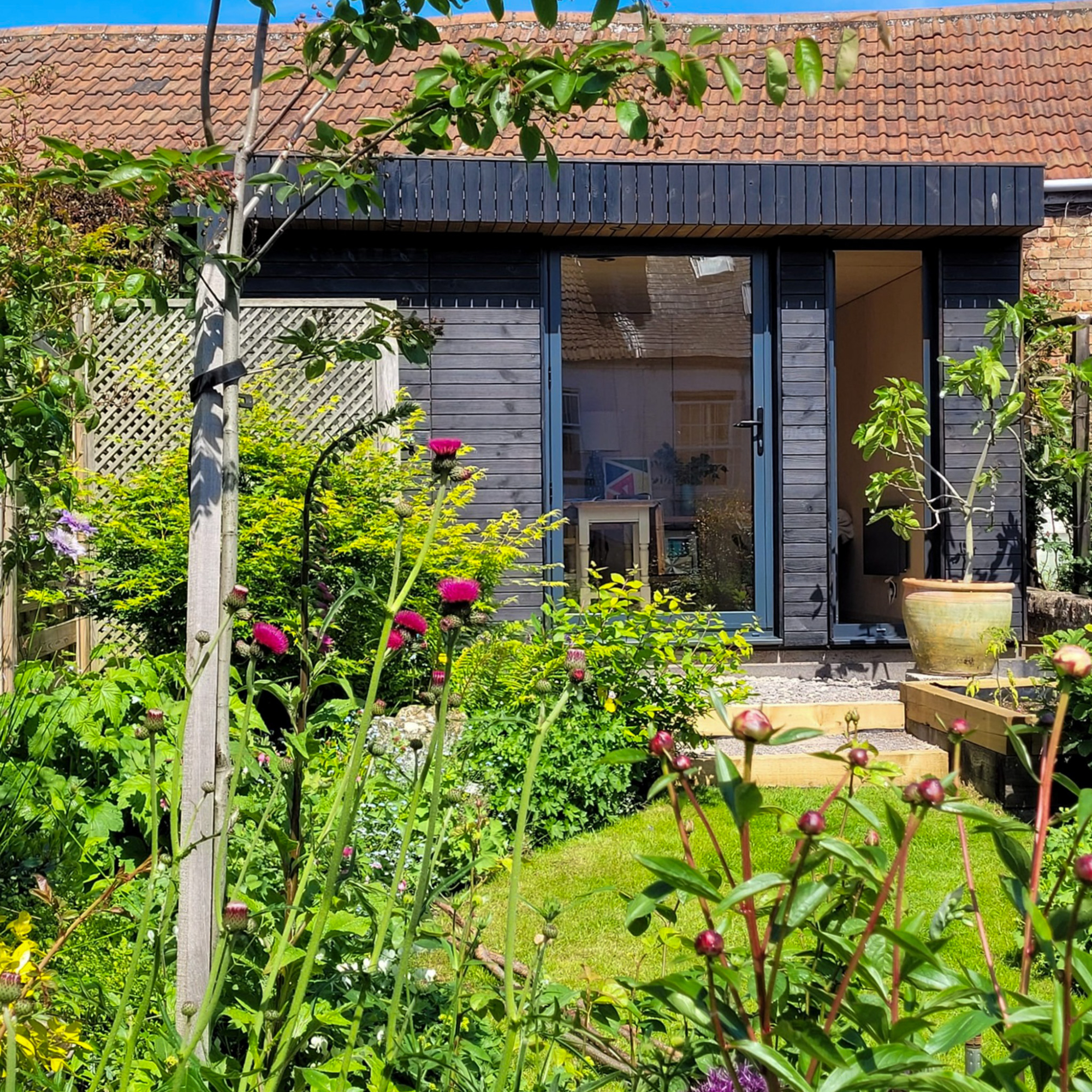
For homeowners looking to enhance a backyard office, ADU, home addition, pool house, or outdoor living space, yakisugi cladding delivers a premium finish that stands out while standing up to a wide range of US climates.

What Is Yakisugi Cladding?

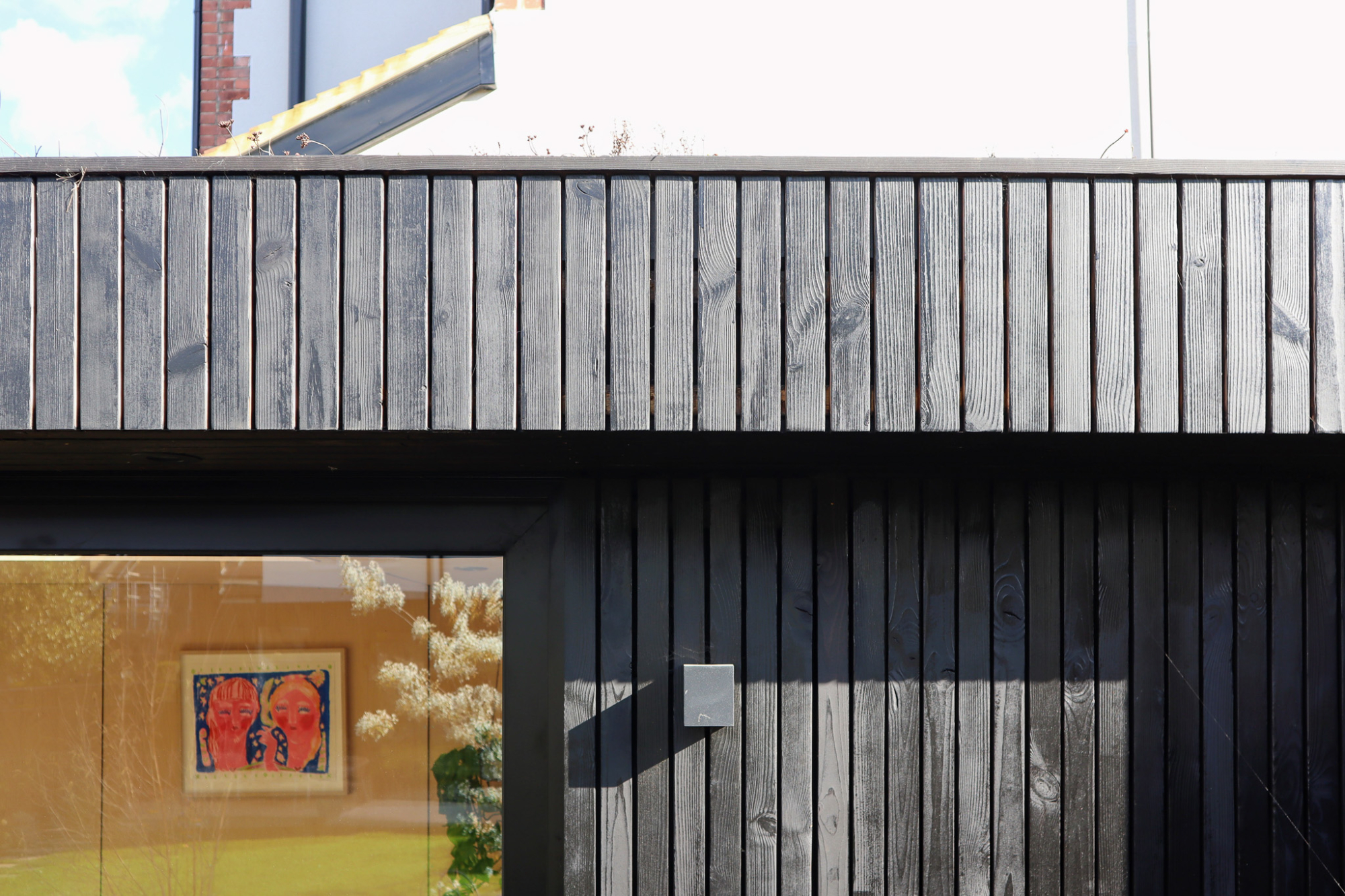
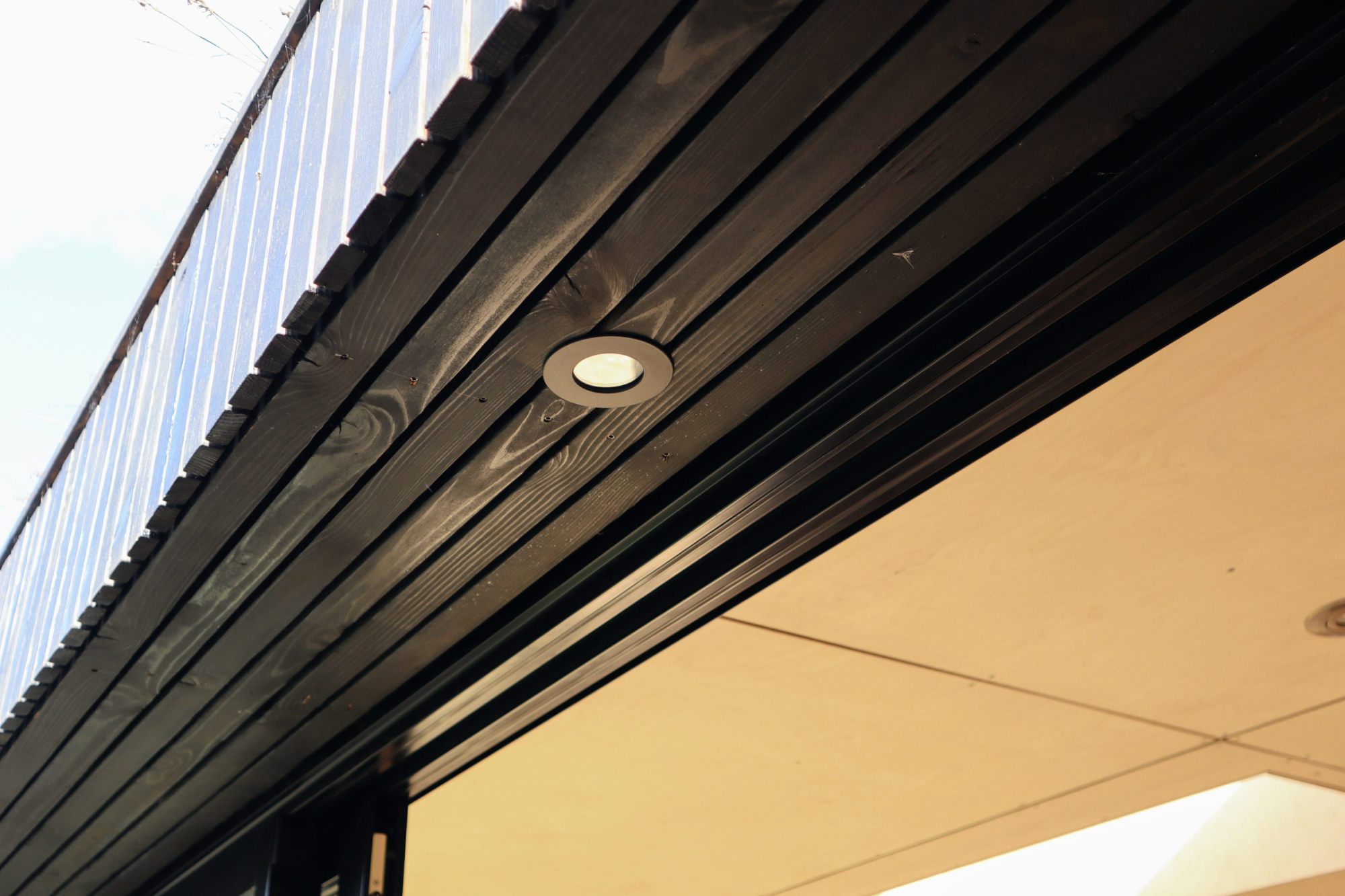
Yakisugi, often referred to as shou sugi ban, is a traditional Japanese wood preservation technique that involves charring the surface of timber. The controlled burning process creates a protective carbonized layer that helps shield the wood from moisture, insects, and weathering.

The result is a distinctive charred wood cladding that highlights the natural grain of the timber while providing long-lasting protection. Today, yakisugi is widely used in both residential and commercial architecture throughout the United States.

Why Yakisugi Cladding Works Well in the United States

One of the biggest advantages of yakisugi siding is its ability to perform in a variety of climates.

Whether you’re dealing with humid summers in Florida, snowy winters in Colorado, coastal conditions in California, or seasonal temperature swings in the Northeast, charred wood cladding offers impressive durability.

Key benefits include:

  • Resistance to rot and decay
  • Protection against insects and termites
  • Improved fire performance compared to untreated wood
  • Greater stability during seasonal expansion and contraction
  • Excellent weather resistance in wet and dry climates

These qualities make yakisugi an excellent choice for backyard offices, detached studios, ADUs, home additions, and modern residential exteriors.

Yakisugi Cladding Cost in the United States

The cost of yakisugi cladding depends on factors such as wood species, finish quality, supplier, and installation requirements.

Premium species such as cedar, cypress, and thermally modified woods can increase costs, while custom finishes and architectural installations may fall at the higher end of the range.

Although the upfront investment is typically greater than conventional wood siding, many homeowners find the reduced maintenance requirements and long lifespan justify the cost over time.

Yakisugi Cladding Pros and Cons

Pros

  • Distinctive architectural appearance
  • Long lifespan that can exceed 30 to 50 years
  • Low maintenance compared to untreated wood
  • Naturally resistant to weather and pests
  • Sustainable and environmentally friendly preservation method
  • Works well with modern and contemporary home designs

Cons

  • Higher initial cost than standard wood siding
  • Limited availability compared to traditional siding products
  • Professional installation is often recommended

Yakisugi vs Other Wood Cladding Options

Yakisugi vs Thermally Modified Wood

  • Yakisugi generally provides greater weather resistance and a more dramatic appearance
  • Thermally modified wood offers a lighter, natural wood aesthetic

Yakisugi vs Cedar Siding

  • Cedar requires periodic staining or sealing to maintain its appearance
  • Yakisugi typically requires less ongoing maintenance
  • Both options provide excellent durability when properly installed

Yakisugi vs Fiber Cement Siding

  • Yakisugi offers a natural wood texture and authentic character
  • Fiber cement provides lower upfront maintenance but lacks the warmth and uniqueness of real wood

Yakisugi Cladding Maintenance

One of the primary reasons homeowners choose yakisugi is its relatively low maintenance requirements.

Recommended maintenance includes:

  • Occasional rinsing or light cleaning to remove dirt and debris
  • Avoiding pressure washing, which may damage the charred surface
  • Periodic inspections after severe weather events
  • Touch-up treatments if necessary on high-traffic or heavily exposed areas

Over time, some finishes may naturally soften from deep black to a more subtle charcoal tone, creating an attractive weathered appearance.

Design Ideas for Yakisugi Cladding

Yakisugi works exceptionally well across a variety of architectural styles and project types.

Popular applications include:

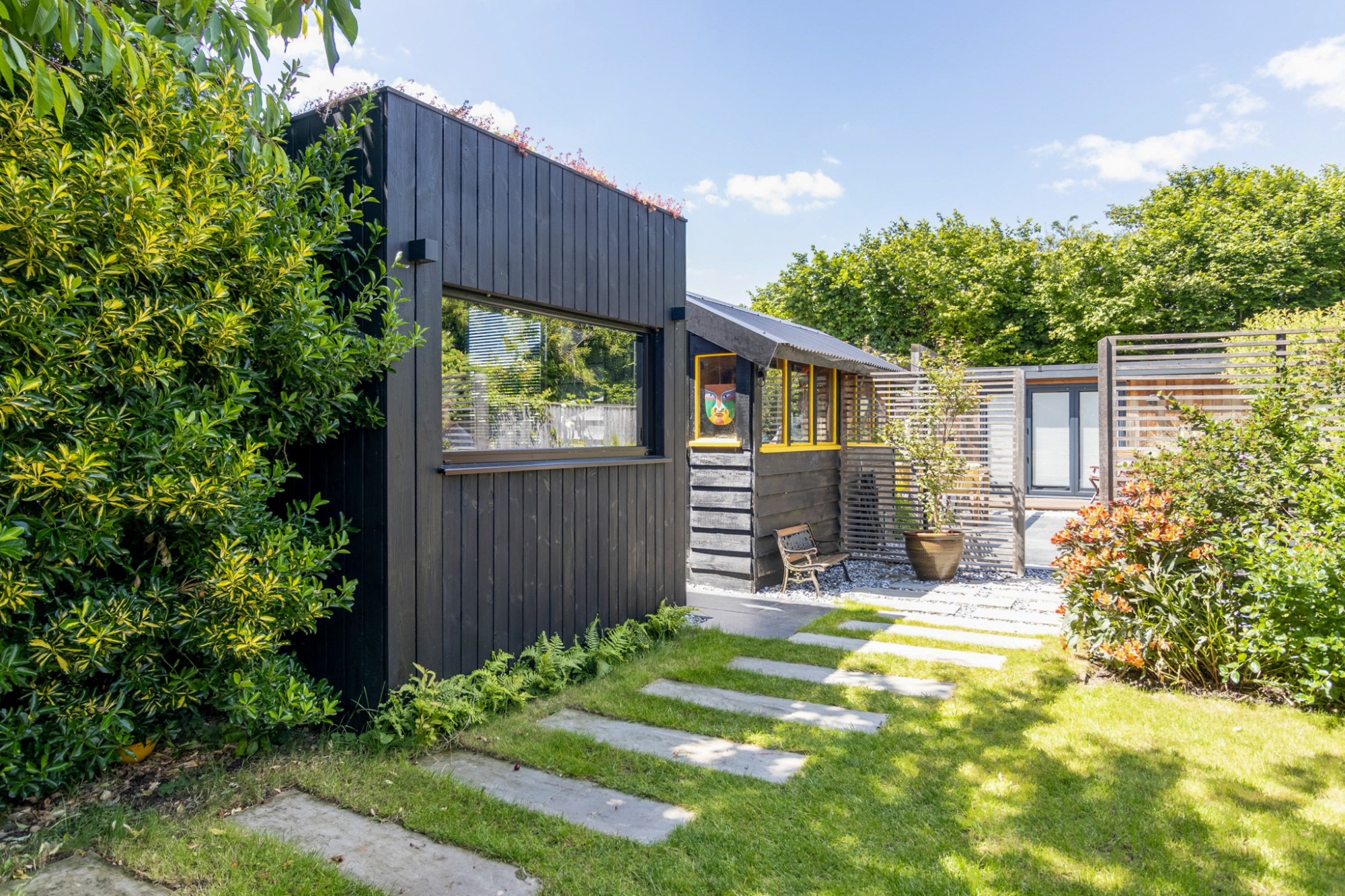
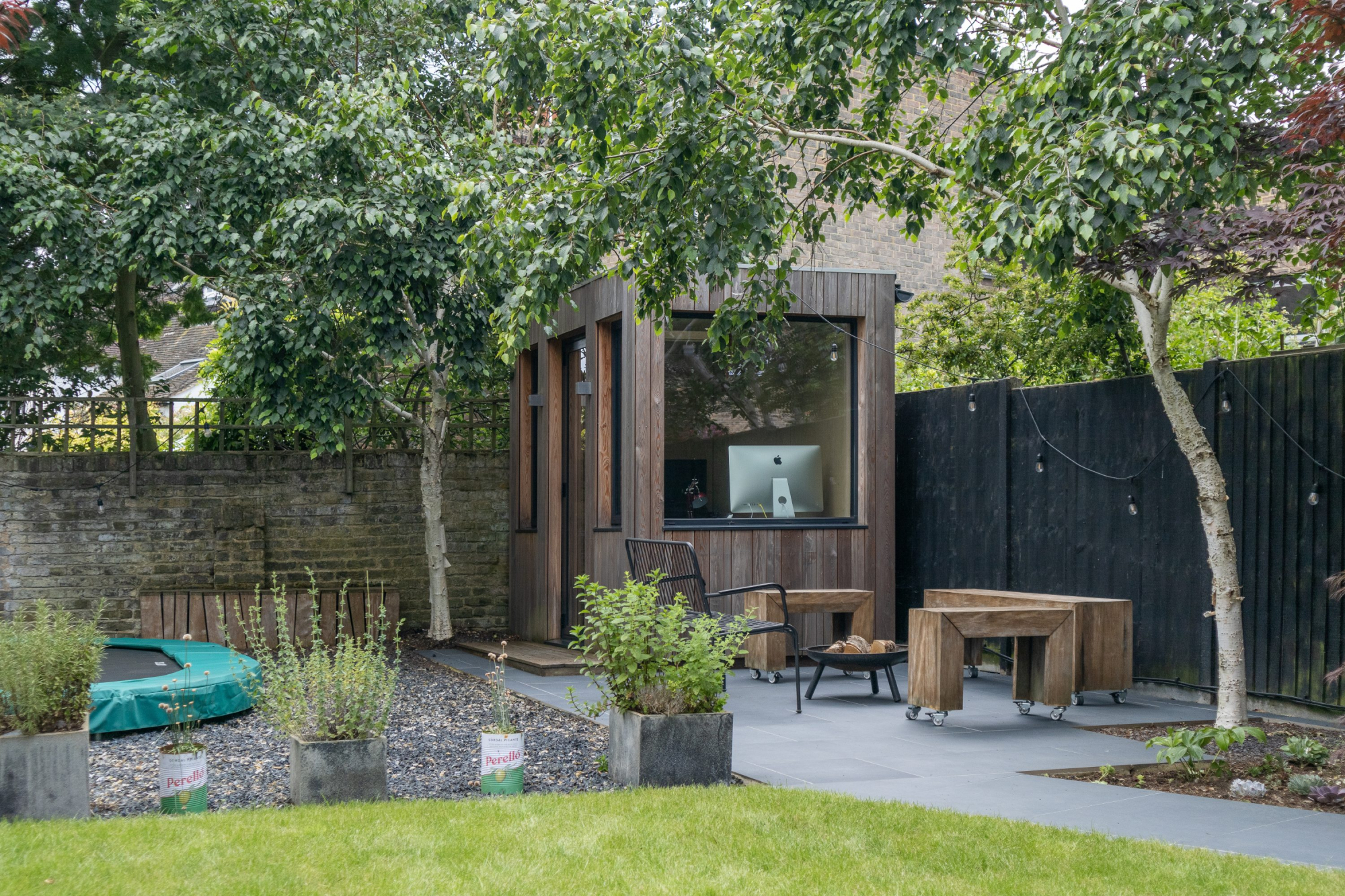
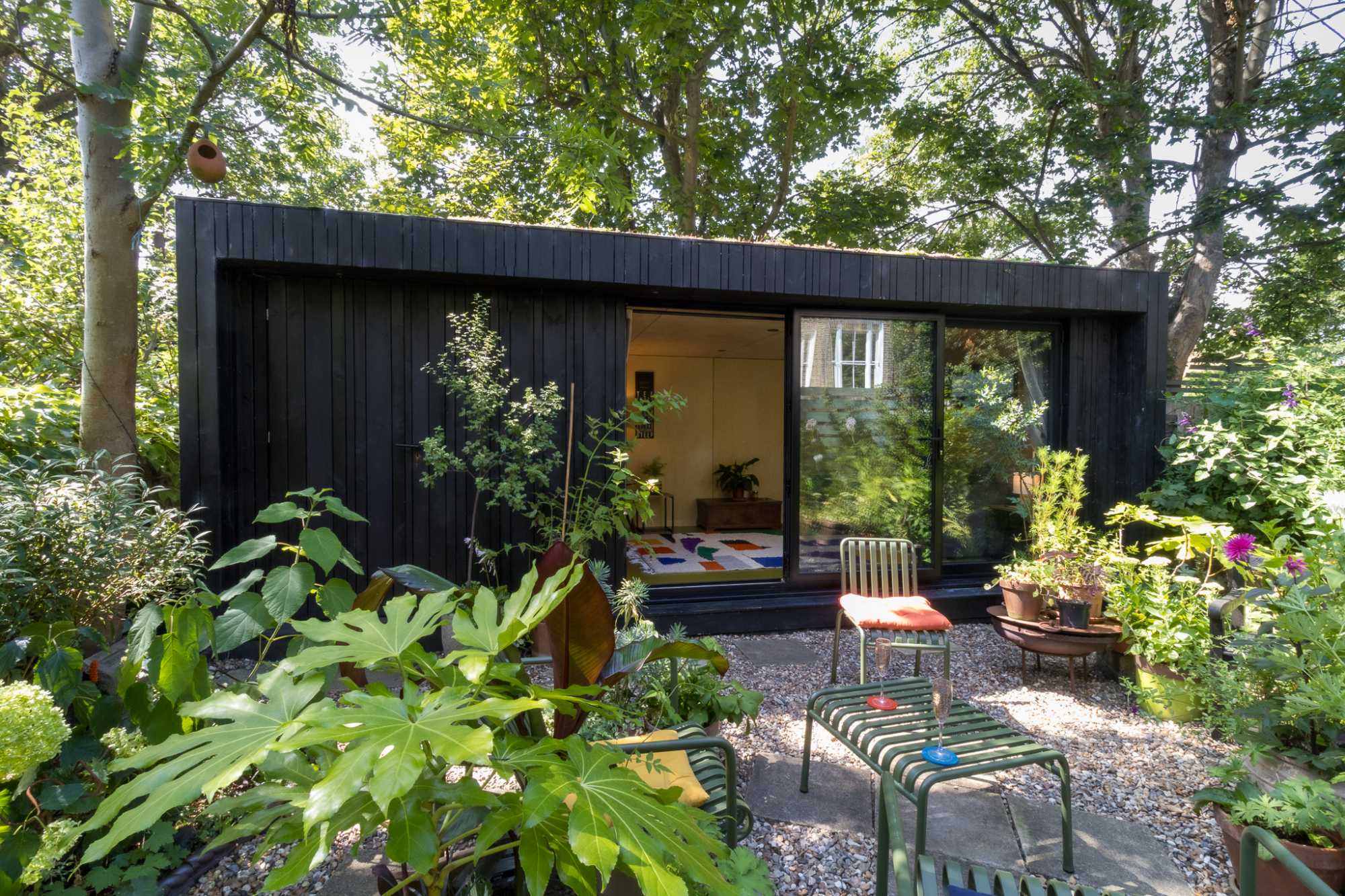
  • Backyard offices
  • Accessory dwelling units (ADUs)
  • Modern home additions
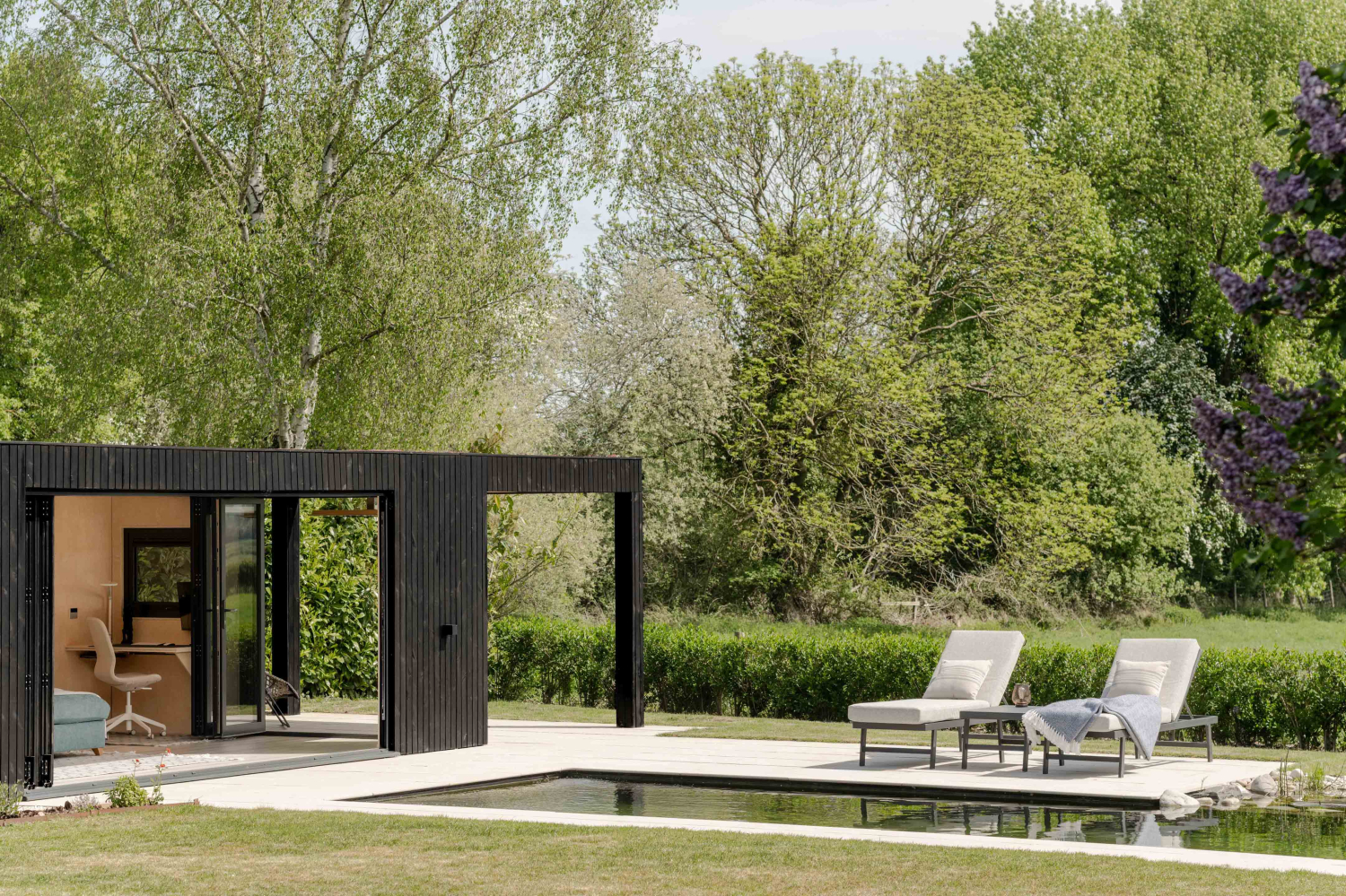
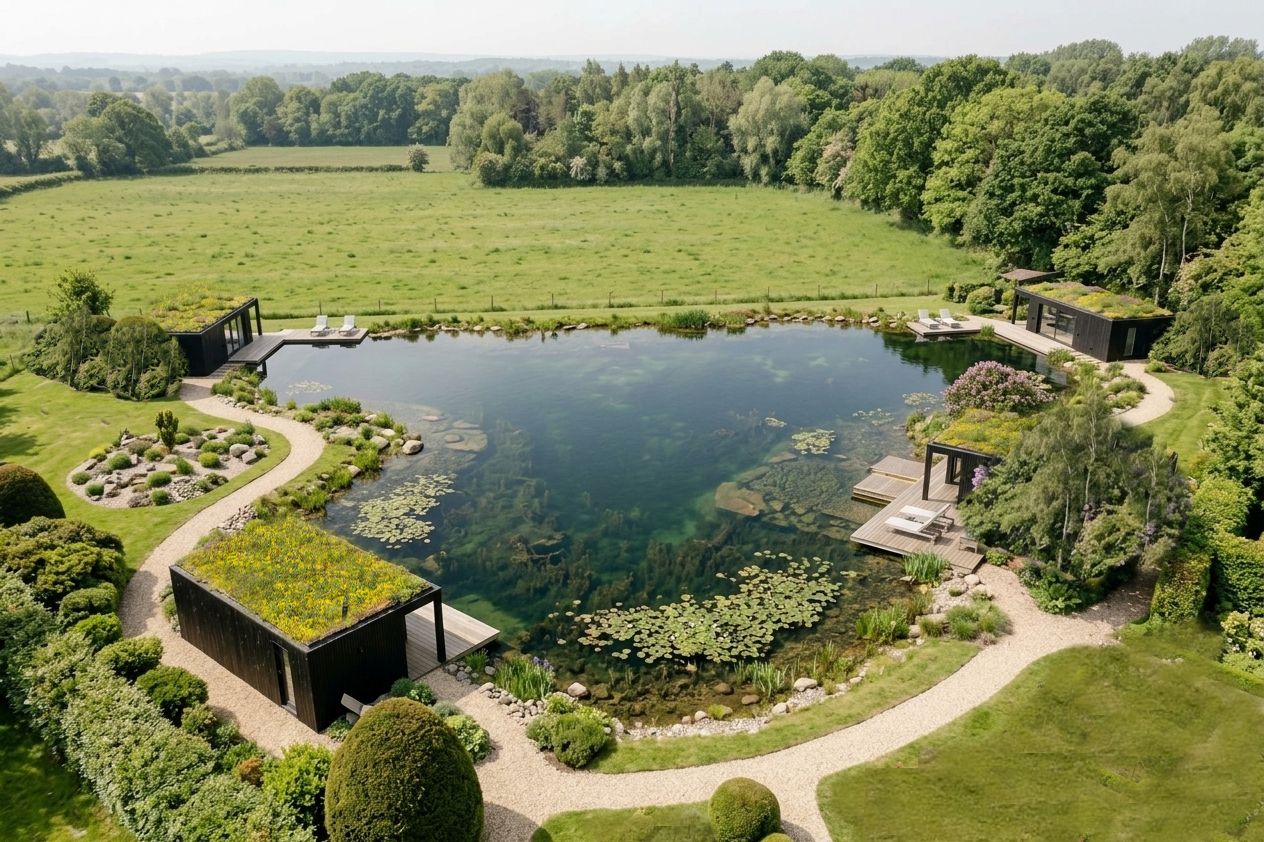
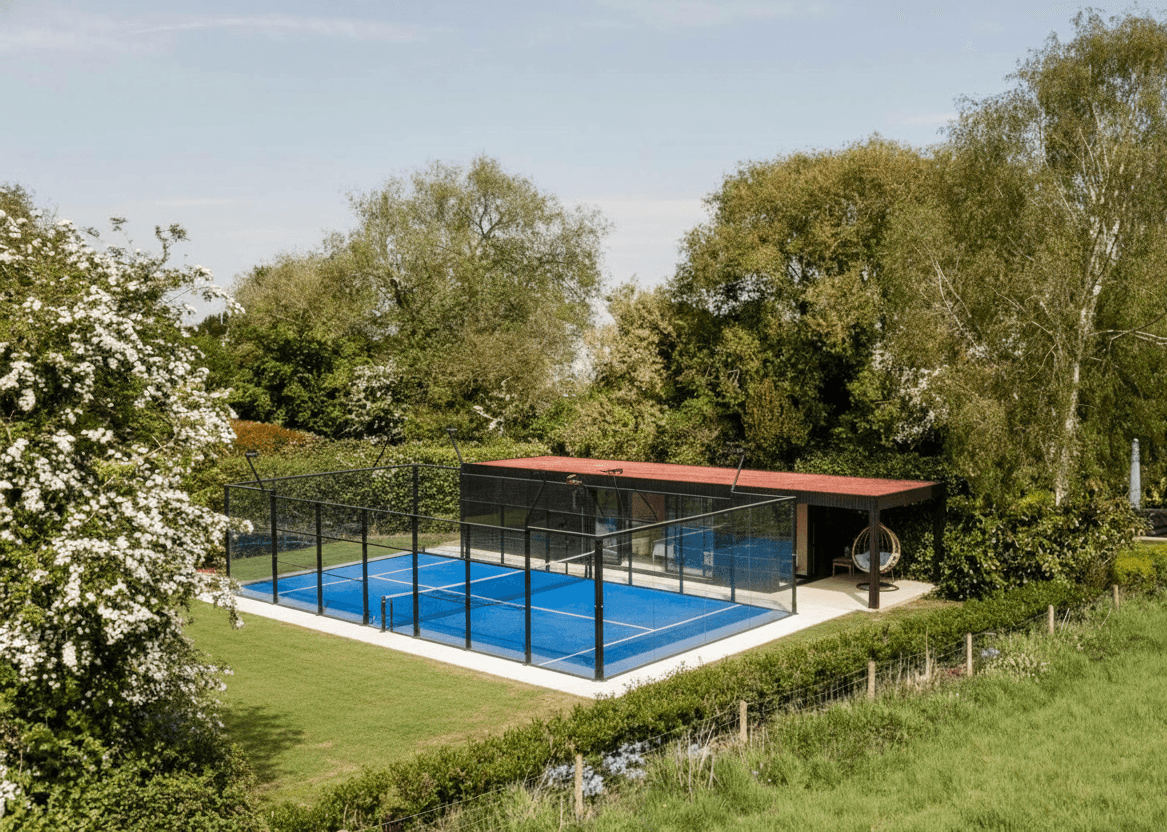
  • Pool houses
  • Guest houses
  • Garden studios
  • Contemporary custom homes
  • Outdoor entertainment spaces

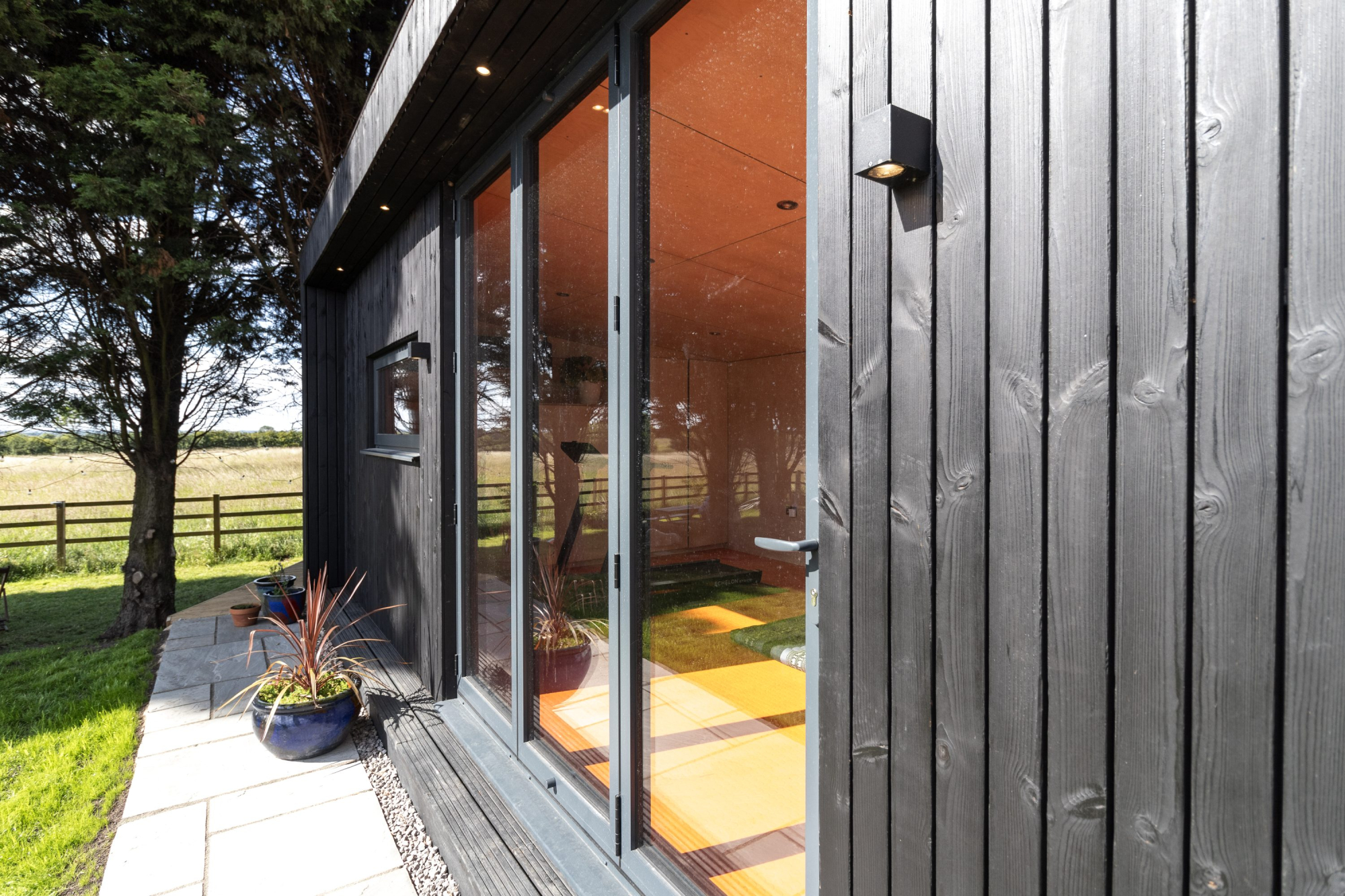
The dark finish pairs beautifully with large windows, steel accents, stone features, and natural landscaping to create a sophisticated modern aesthetic.

Is Yakisugi Cladding Sustainable?

Many architects and homeowners choose yakisugi because of its environmental benefits.

Sustainability advantages include:

  • Uses a natural preservation process rather than chemical treatments
  • Extends the lifespan of timber products
  • Reduces the need for ongoing coatings and maintenance products
  • Can be sourced from responsibly managed forests
  • Supports long-term material efficiency

For environmentally conscious building projects, yakisugi can be an attractive alternative to chemically treated wood products.

Is Yakisugi Cladding Worth It?

For homeowners seeking a premium exterior finish, yakisugi offers a compelling balance of beauty, durability, and longevity.

While the upfront cost is higher than many conventional siding materials, its distinctive appearance, low maintenance requirements, and decades-long lifespan make it a worthwhile investment for many residential projects.

Whether you’re building a backyard office, ADU, pool house, or modern home addition, yakisugi cladding can provide a timeless architectural finish that delivers long-term value.
It looks like you're using an outdated browser. Please upgrade your browser for the best experience.