Return to Journal

Best Cladding Options for Backyard Rooms 2026 Guide

8 June 2026

Best Cladding Options for Backyard Rooms

Choosing the right cladding is one of the most important decisions when designing a backyard room. The material you select will influence the appearance, durability, maintenance requirements, and overall value of the structure.

Whether you’re creating a backyard office, home gym, art studio, or guest retreat, the right exterior finish can help your backyard room look great and stand up to the elements for years to come.

Why Cladding Matters for Backyard Rooms

Cladding serves as the protective outer layer of your backyard room. It shields the building from weather, moisture, and temperature changes while enhancing its overall appearance.

The right cladding can provide:

  • Better weather protection
  • Improved energy efficiency
  • Reduced maintenance needs
  • Increased curb appeal
  • Longer building lifespan

With several options available, it’s worth understanding the advantages and drawbacks of each material before making a decision.

Yakisugi Cladding

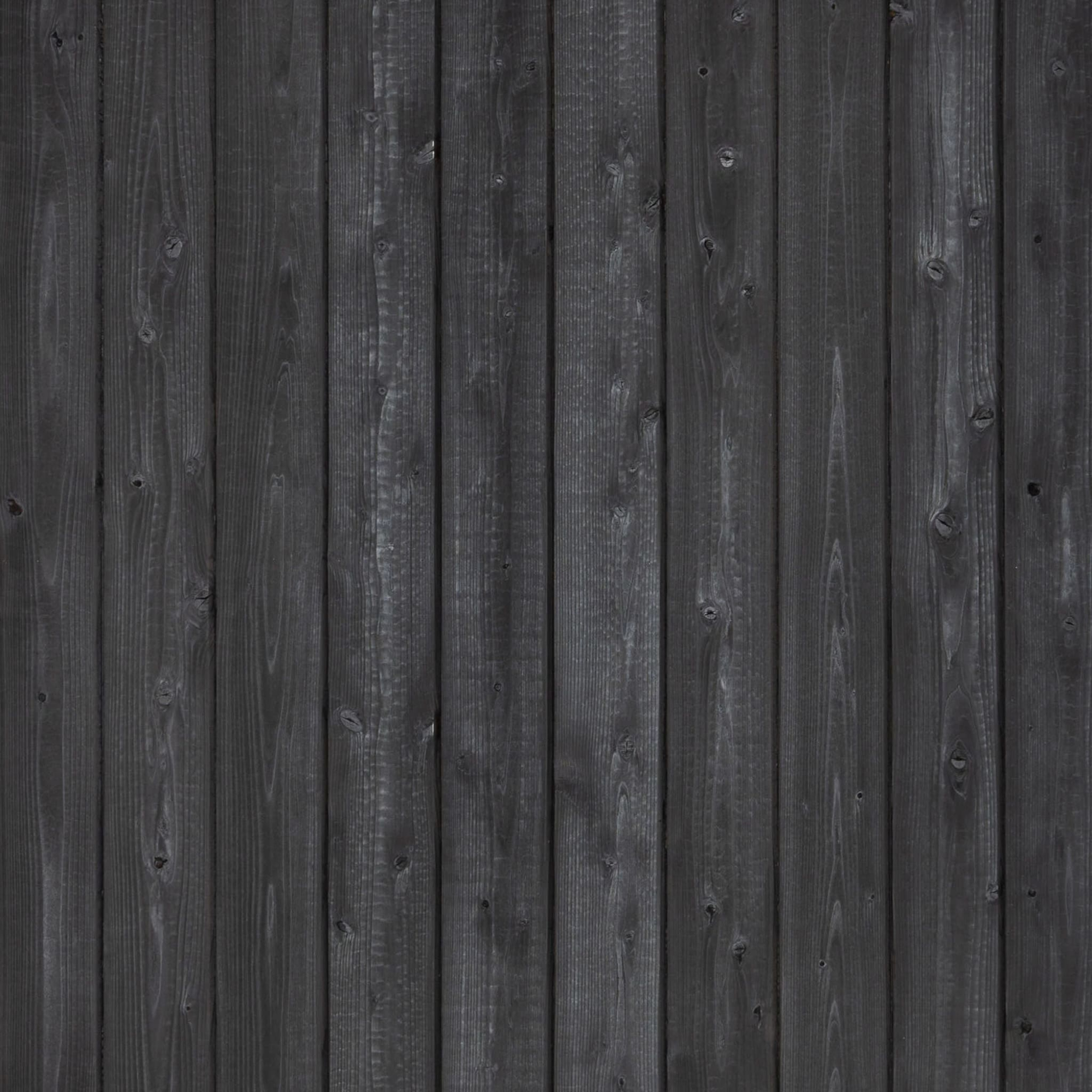
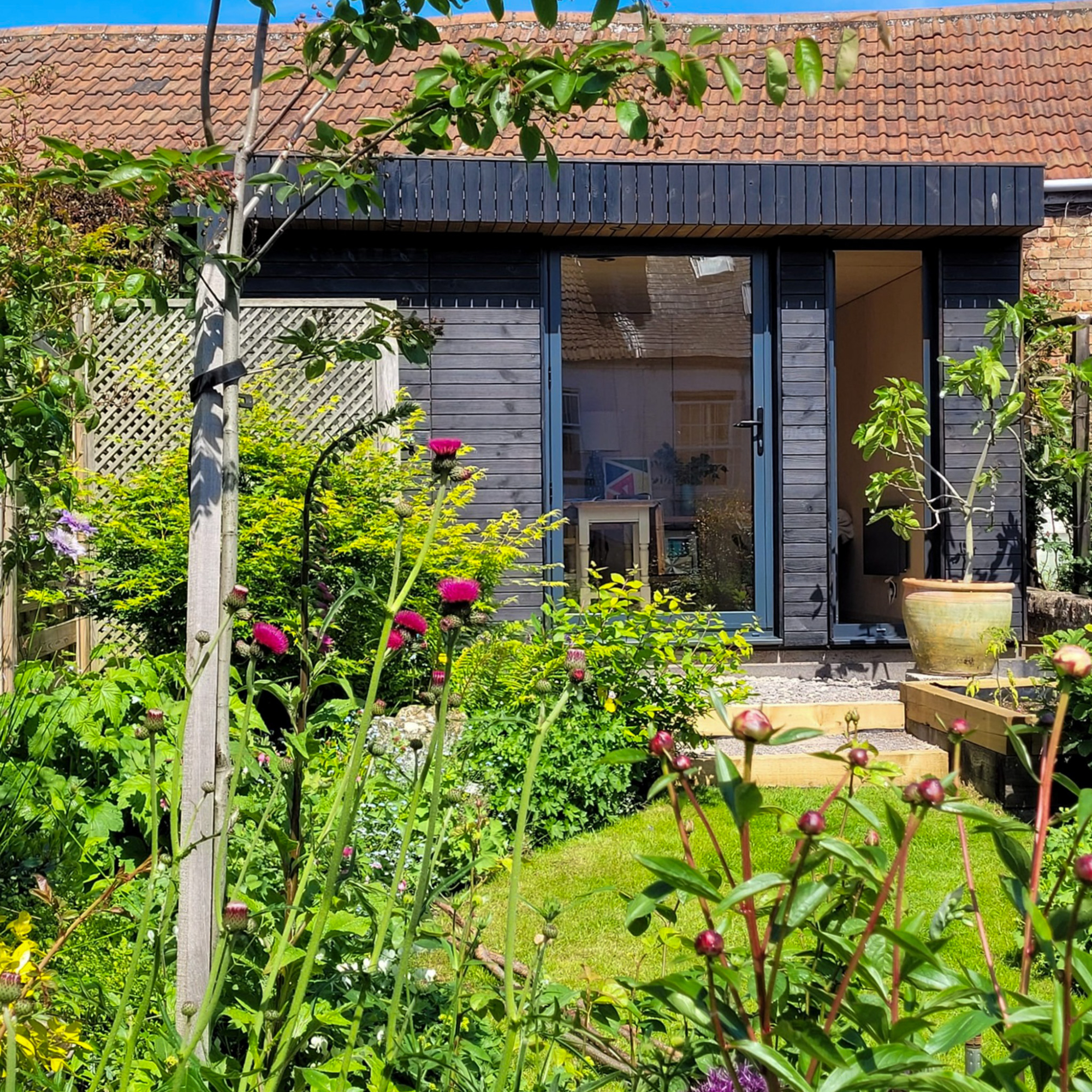
Yakisugi, sometimes referred to as Shou Sugi Ban, is a traditional Japanese wood preservation technique that involves charring the surface of timber. The process creates a striking appearance while improving durability and weather resistance.

Yakisugi has become increasingly popular in modern backyard room designs thanks to its distinctive look and long lasting performance.

Benefits of Yakisugi Cladding

  • Unique architectural appearance
  • Improved resistance to moisture and decay
  • Low maintenance compared to untreated wood
  • Enhanced durability
  • Excellent choice for contemporary designs

Considerations

Yakisugi is typically more expensive than standard timber cladding due to the specialized manufacturing process. However, many homeowners view it as a worthwhile investment because of its appearance and longevity.

Grandis Cladding

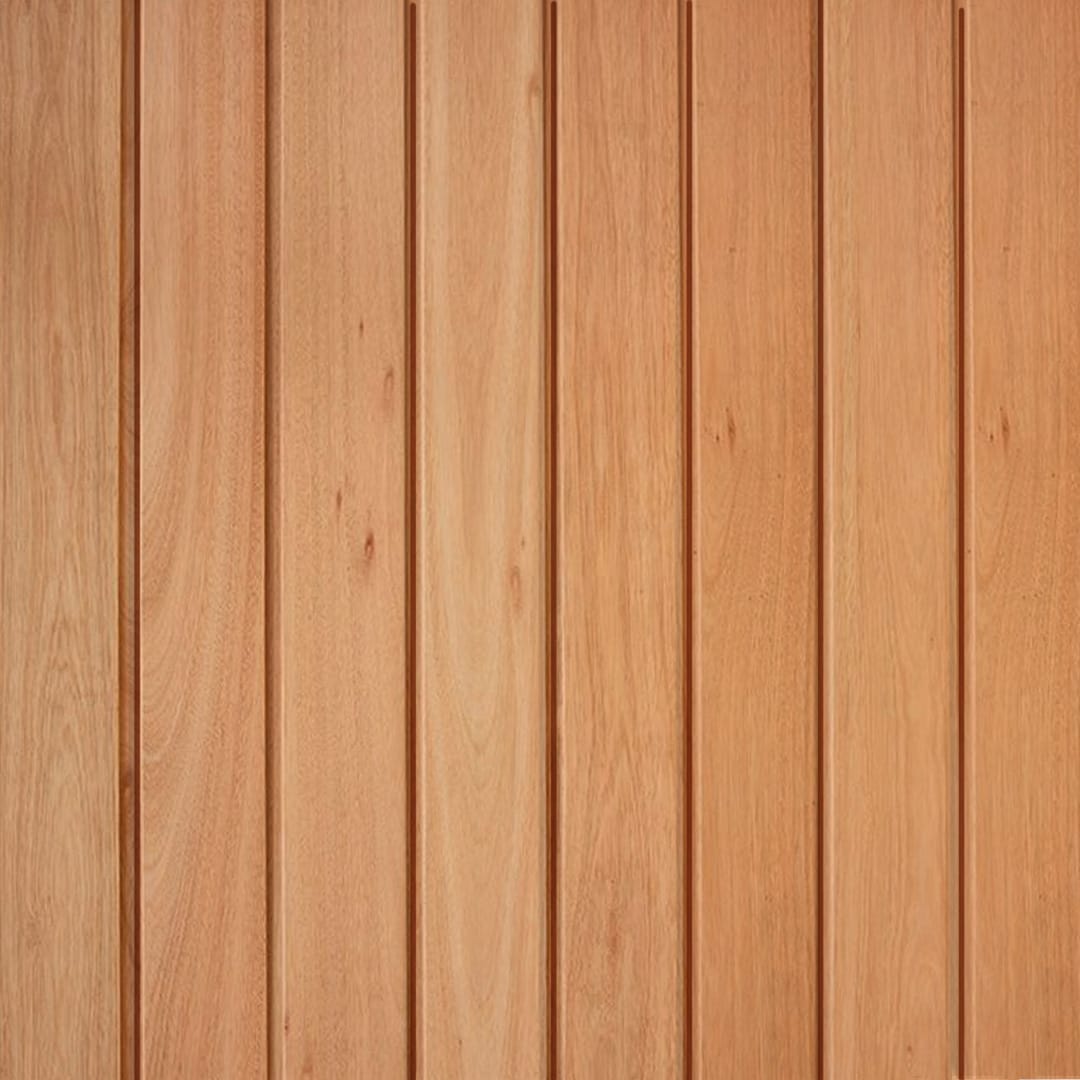
Grandis cladding is made from Eucalyptus Grandis, a sustainably sourced hardwood known for its strength and attractive grain pattern. It offers a premium appearance while remaining more affordable than some exotic hardwoods.

Its stability and durability make it a strong option for backyard rooms exposed to varying weather conditions.

Benefits of Grandis Cladding

  • Attractive natural wood grain
  • Good dimensional stability
  • Sustainably sourced material
  • Strong and durable
  • Suitable for modern and traditional designs

Considerations

Like most natural wood products, Grandis will weather over time if not treated. Regular maintenance can help preserve its original color and appearance.

Kebony Cladding

Kebony is a modified wood product developed through an environmentally friendly treatment process that enhances the strength and durability of sustainably sourced softwoods.

It is widely regarded as one of the most durable wood cladding options available for backyard rooms.

Benefits of Kebony Cladding

  • Exceptional durability
  • Highly resistant to rot and decay
  • Sustainable alternative to tropical hardwoods
  • Minimal maintenance requirements
  • Develops an attractive silver gray patina over time

Considerations

Kebony is generally positioned as a premium cladding option and may have a higher upfront cost than traditional timber products. However, its longevity can provide excellent long term value.

Cedar Cladding

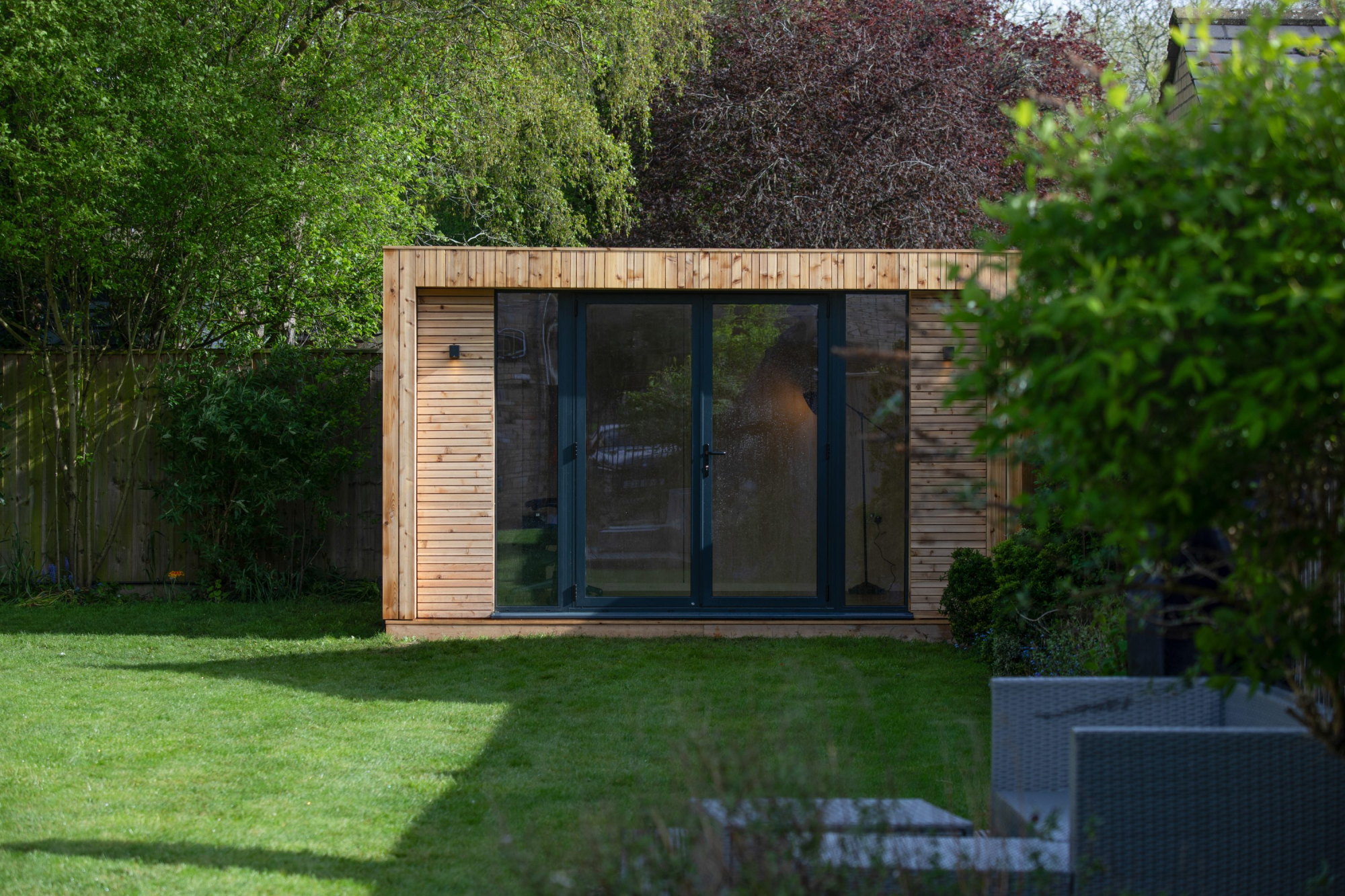
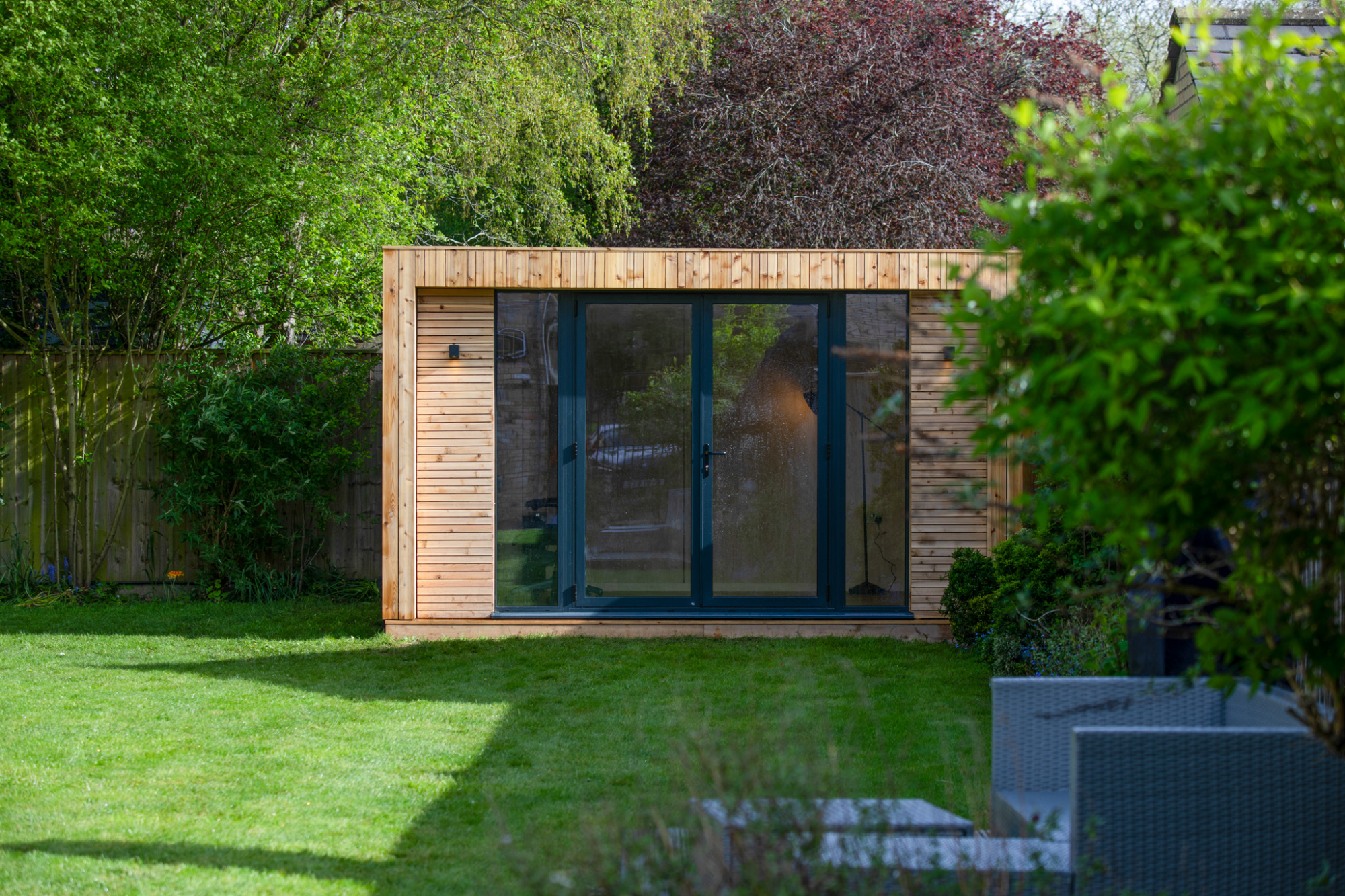
Cedar is one of the most popular choices for premium backyard rooms. Its natural oils help protect the wood from moisture, insects, and decay, making it a reliable long term investment.

Benefits of Cedar Cladding

  • Attractive natural appearance
  • Excellent durability
  • Naturally resistant to rot
  • Low maintenance compared to many wood species
  • Ages beautifully over time

Considerations

Cedar is generally more expensive than other cladding materials, but many homeowners appreciate its combination of beauty and performance.

Thermally Modified Wood Cladding

Thermally modified wood, often called Thermowood, undergoes a heat treatment process that improves its stability and resistance to moisture.

It has become a popular choice for modern backyard rooms because it offers the look of natural wood with enhanced durability.

Benefits of Thermally Modified Wood

  • Improved dimensional stability
  • Reduced risk of warping and shrinking
  • Good weather resistance
  • Environmentally friendly option
  • Modern, clean appearance

Considerations

Periodic treatment may be required if you want to preserve the original color of the wood.
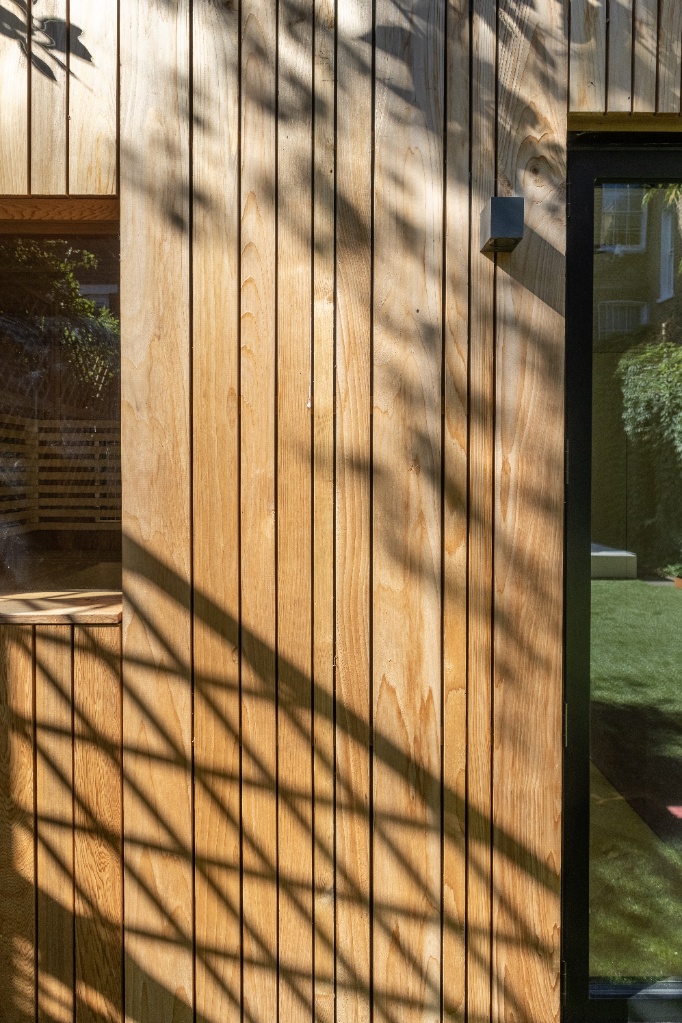
Close-up of vertical wood tongue-and-groove boards, showcasing one of the top choices for the best backyard room cladding paired with a matte black exterior light.

Composite Cladding

Composite cladding combines recycled wood fibers and plastic materials to create a highly durable and low maintenance product.

It is a great option for homeowners who want the look of wood without the ongoing upkeep.

Benefits of Composite Cladding

  • Minimal maintenance
  • Resistant to rot and insect damage
  • Available in various colors and finishes
  • Long lasting performance
  • Excellent weather resistance

Considerations

Although modern composite products closely resemble wood, some homeowners still prefer the authenticity of natural timber.

Larch Cladding

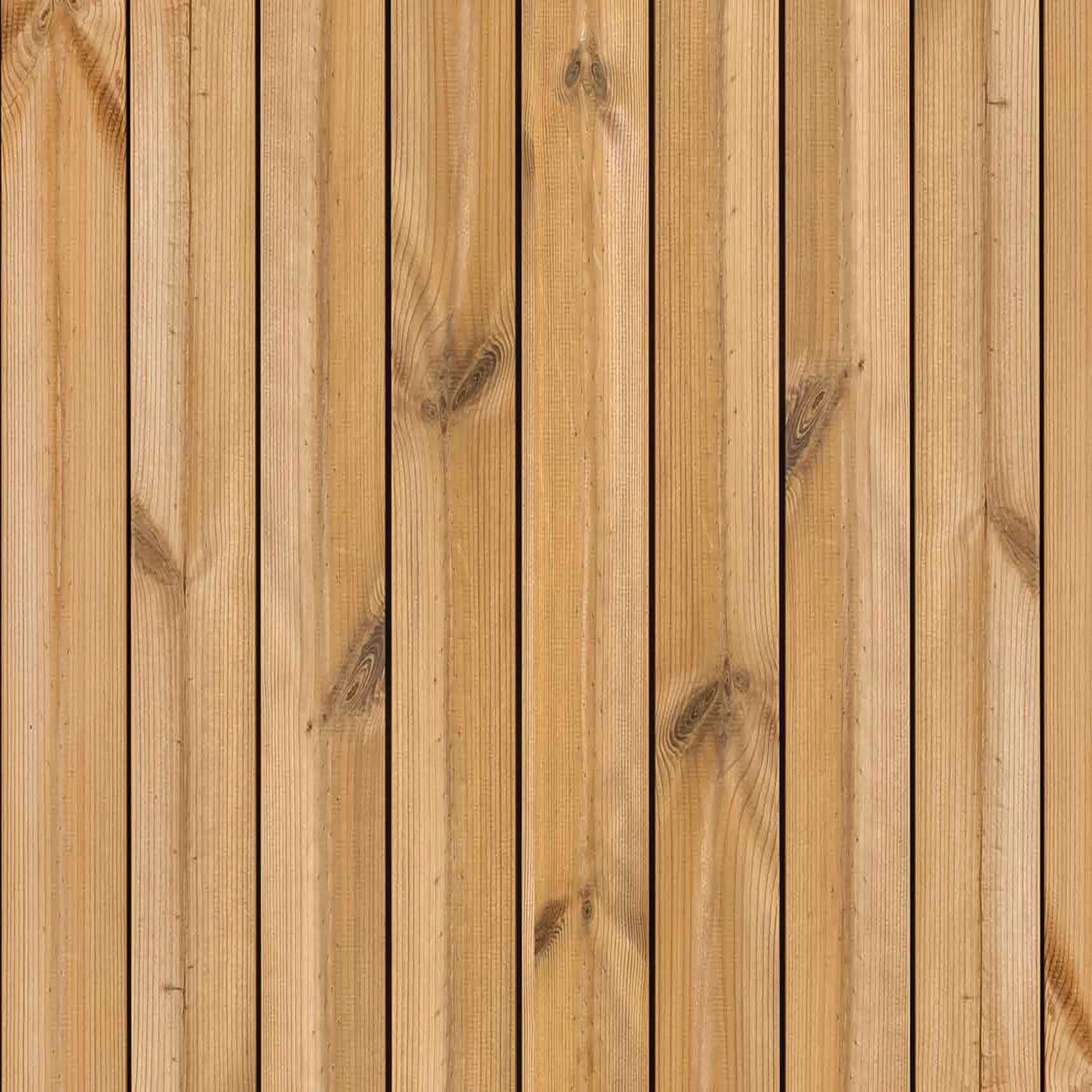
Larch is a strong softwood that offers a balance between affordability and durability. It is widely used for outdoor structures because of its natural resistance to harsh weather conditions.

Benefits of Larch Cladding

  • Durable and long lasting
  • More affordable than cedar
  • Attractive grain patterns
  • Suitable for traditional and modern designs
  • Naturally weather resistant

Considerations

Like many natural woods, larch will gradually develop a silver gray patina if left untreated.

Fiber Cement Cladding

Fiber cement cladding is becoming increasingly popular in contemporary backyard room designs. Made from a mixture of cement, sand, and cellulose fibers, it offers exceptional durability and a sleek appearance.

Benefits of Fiber Cement Cladding

  • Extremely durable
  • Fire resistant
  • Low maintenance
  • Resistant to moisture and pests
  • Modern architectural look

Considerations

Installation may require specialized skills and can be more labor intensive than wood based alternatives.

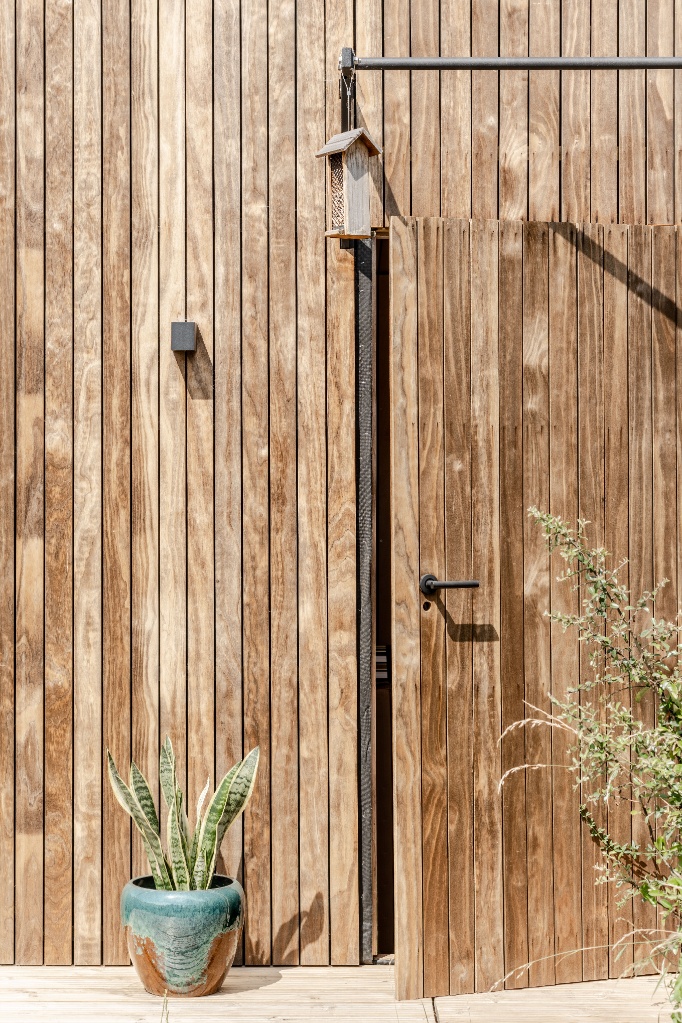
An integrated, flush exterior door built seamlessly into vertical wood siding, demonstrating the high-end finish possible with the best backyard room cladding.

Which Cladding Option Is Best?

The best cladding for your backyard room depends on your budget, design preferences, and maintenance expectations.

If you’re looking for a premium natural finish, cedar is hard to beat.

For homeowners who want a low maintenance solution, composite cladding offers excellent value.

Thermally modified wood and larch provide a strong balance of appearance, durability, and cost effectiveness.

If your goal is a modern, long lasting exterior with minimal upkeep, fiber cement cladding is an excellent choice.

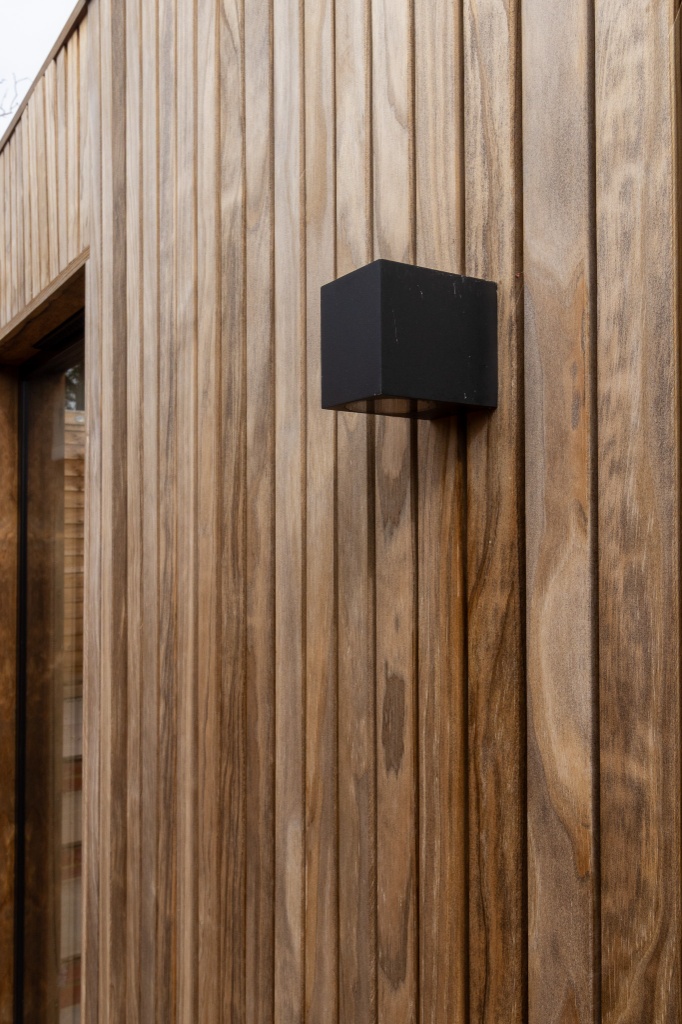
Sunlight filtering across a rich natural wood siding layout, highlighting the texture and warmth of the best backyard room cladding options for accessory dwelling units.

Final Thoughts

Choosing the right cladding is about more than appearance. It affects how well your backyard room performs over time and how much maintenance it will require.

Whether you prefer the warmth of natural wood, the convenience of composite materials, or the sleek look of fiber cement, selecting the right cladding will help ensure your backyard room remains attractive, functional, and durable for years to come.

It looks like you're using an outdated browser. Please upgrade your browser for the best experience.