Return to Journal

Do I Need a Permit for a Backyard Office or Shed in Colorado? What Homeowners Should Know

10 July 2026
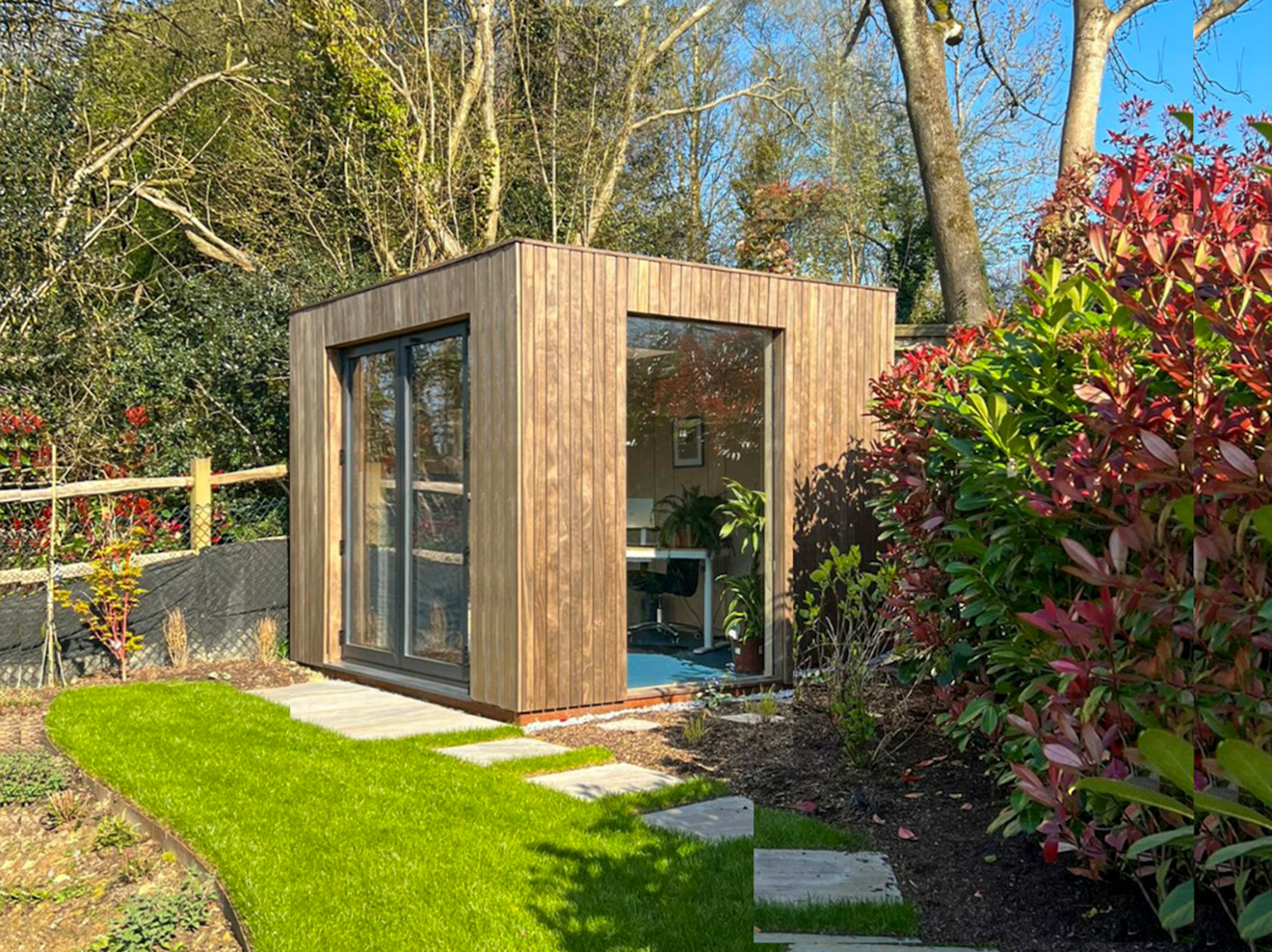
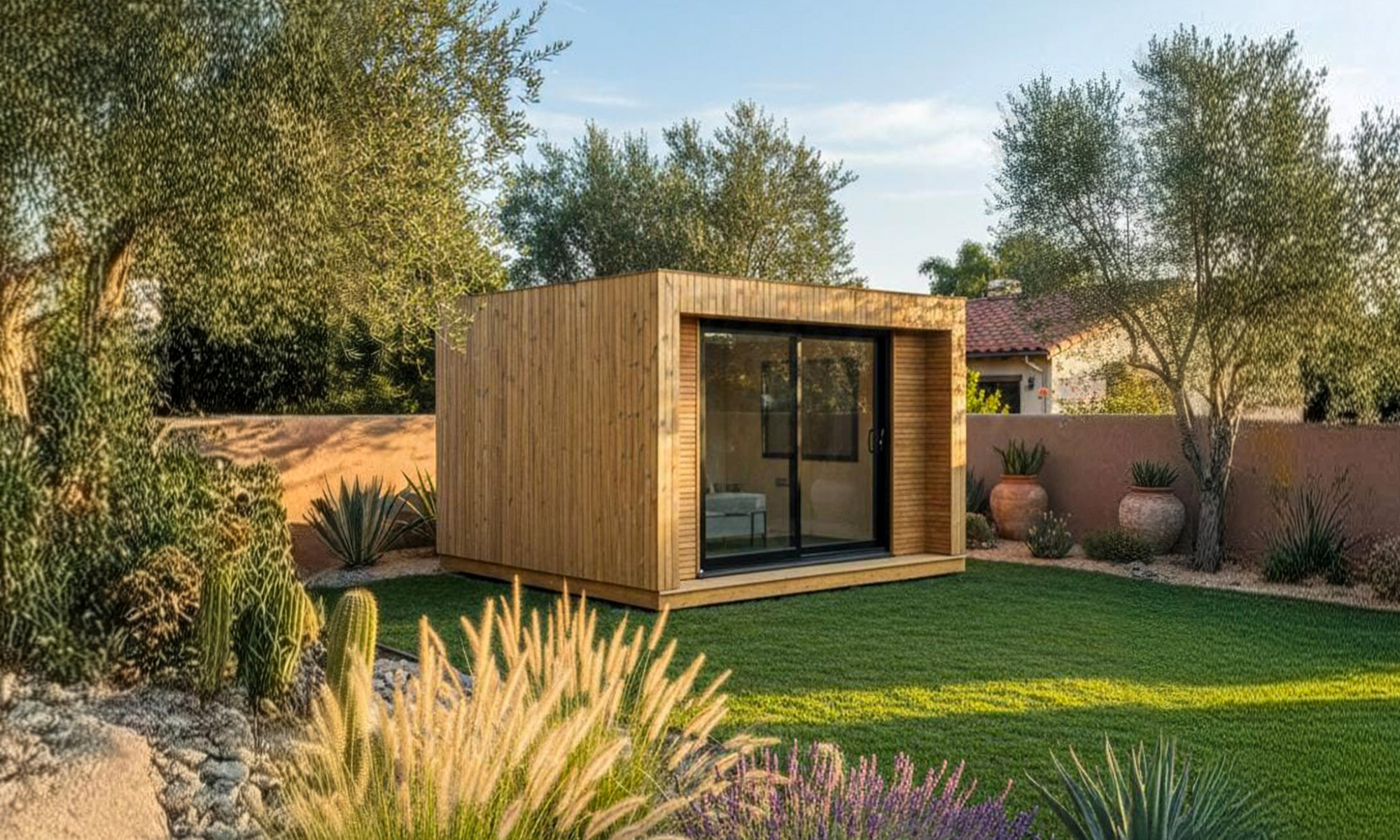
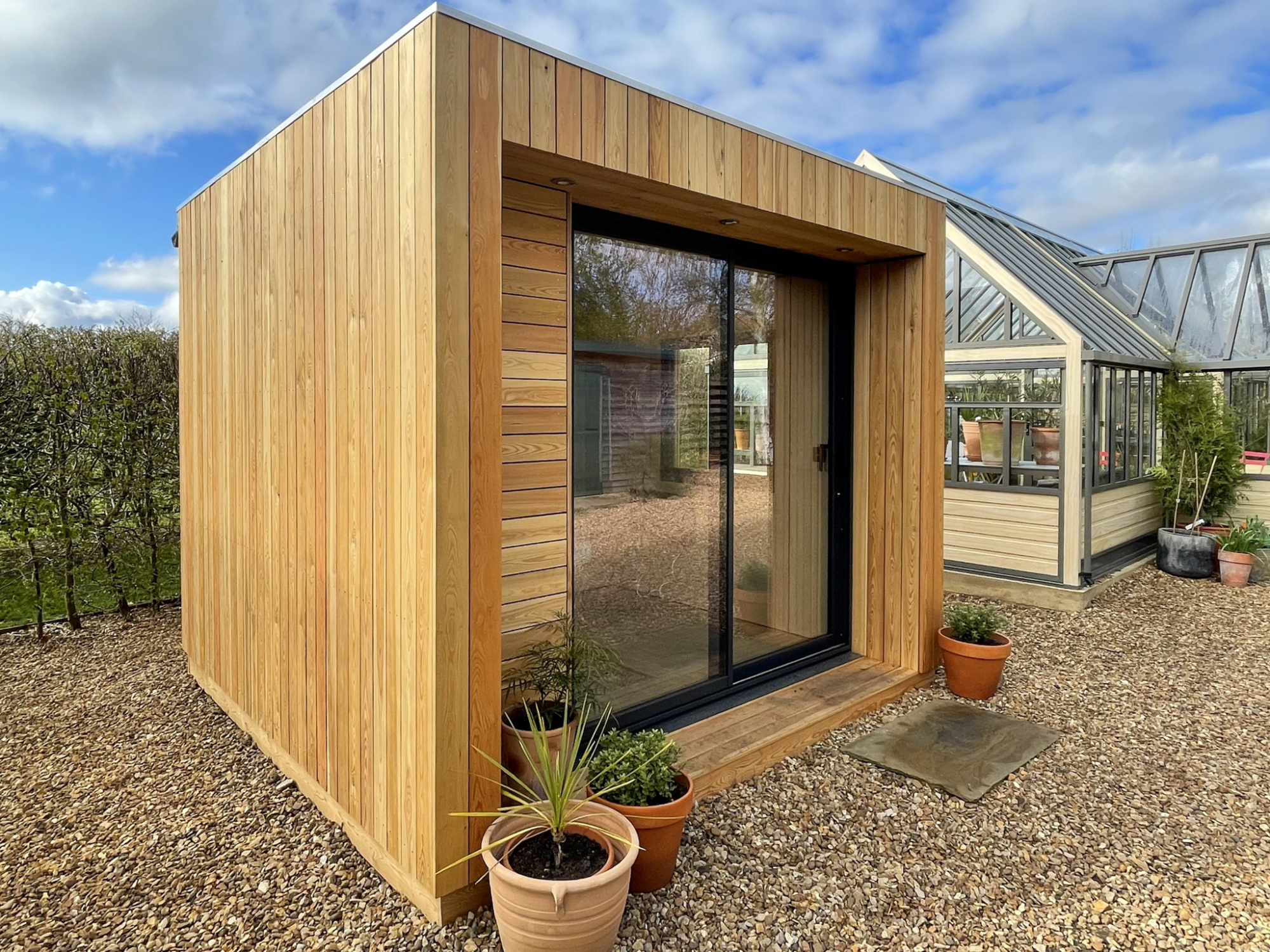
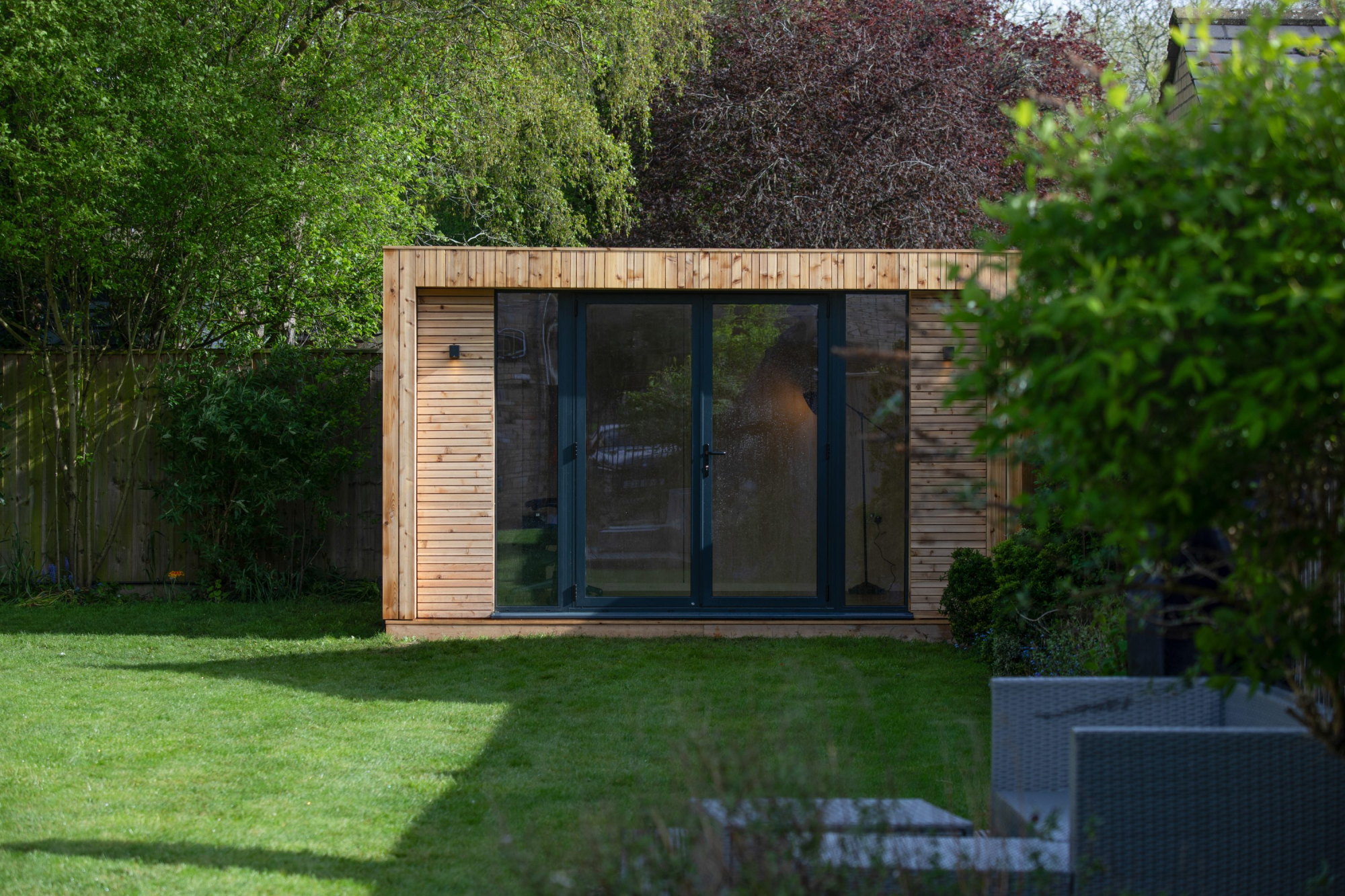
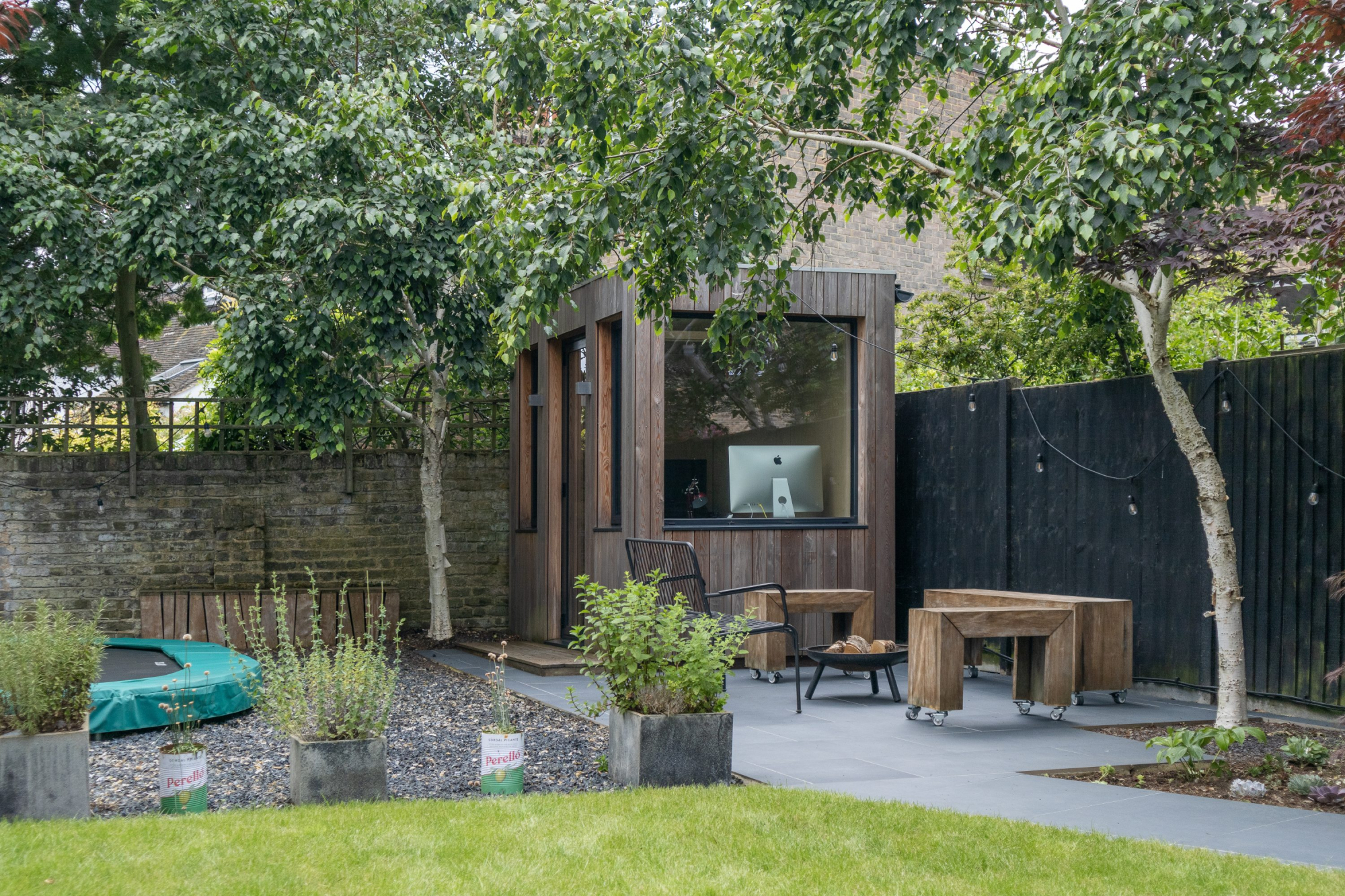
A freestanding backyard work studio with natural wood siding, positioned carefully to meet the property line setback rules required for a Colorado backyard office permit.

Do I Need a Permit for a Backyard Office or Shed in Colorado?

Adding a backyard office or shed is one of the most practical ways to create extra space without undertaking a major home addition. Whether you’re looking for a quiet place to work, a creative studio, a hobby room, or additional storage, one of the first questions you’ll likely ask is: Do I need a permit?

The answer is often more flexible than many homeowners expect.

In Colorado, some detached accessory structures may qualify for permit exemptions depending on factors such as size, intended use, and local building regulations. Because every city and county can adopt its own requirements, it is important to understand the general guidelines before starting your project.

The Good News: Small Backyard Structures May Not Always Require a Permit

Many Colorado jurisdictions follow building code provisions that exempt certain detached accessory structures from permit requirements.

In many areas, a detached structure may qualify for an exemption when it:

  • Is a single-story building
  • Falls within local size limits, often around 200 square feet
  • Is accessory to the primary residence
  • Does not include plumbing systems
  • Meets local zoning and setback requirements

This means that some homeowners may be able to add a backyard structure without going through a full building permit process.

However, permit exemptions can vary by location, so it is always worth checking with your local building department before beginning construction.

Can You Build a Backyard Office Without a Permit in Colorado?

It depends…

Many people assume that every backyard office automatically requires a permit. In reality, the answer often depends on how the structure is designed and how it will be used.

Some smaller backyard offices may fall within local exemption thresholds, while others may require permits due to their size, utility connections, or intended occupancy.

Factors that may influence permit requirements include:

  • Overall square footage
  • Electrical installation
  • Heating or cooling systems
  • Plumbing fixtures
  • Foundation type
  • Local zoning regulations

Because every project is unique, two backyard offices that look very similar may be treated differently under local regulations. With every project we always recommend contacting your local planning department to check for your address and what you’re planning to build.

Understanding Colorado Size Limits

One of the most common factors that determines whether a permit may be required is the size of the structure.

Many Colorado jurisdictions use a threshold of approximately 200 square feet for detached accessory structures. However, some cities and counties may have lower limits or additional requirements.

Generally speaking:

Structures That May Qualify for Permit Exemptions

  • Smaller detached buildings
  • Single-story structures
  • Buildings without plumbing
  • Structures that meet local setback requirements
  • Accessory buildings intended to support residential use

Structures More Likely to Require Permits

  • Larger detached buildings
  • Structures with plumbing
  • Buildings that include extensive utility installations
  • Structures that exceed local size thresholds
  • Buildings that do not meet zoning requirements

The key takeaway is that size is only one piece of the puzzle. Local regulations and intended use can be just as important.

Don’t Forget About Zoning and Setbacks

Even when a structure may qualify for a permit exemption, other regulations can still apply.

Before building, homeowners should review:

  • Property line setbacks
  • HOA requirements
  • Maximum building height restrictions
  • Lot coverage limitations
  • Utility clearance requirements

A permit exemption does not automatically mean a structure can be placed anywhere on the property.

Colorado Cities May Have Different Rules

One of the most important things to understand is that Colorado does not have a single statewide rule for backyard offices and sheds.

Requirements can differ between:

  • Denver
  • Colorado Springs
  • Boulder
  • Longmont
  • Fort Collins
  • Aurora
  • Other cities and counties throughout Colorado
Because Colorado’s rules depend entirely on your specific municipality, exact limits differ significantly across the state:
  • Denver: Exempts sheds up to 200 square feet with a maximum height of 14 feet, though a zoning permit is still required.
  • Colorado Springs: Does not require a building permit for accessory structures under 200 square feet.
  • Boulder County & City: Stricter rules apply. In Boulder, structures up to 120 square feet are exempt, provided they are under 12 feet tall and have no utilities.
  • Longmont: Exempts one-story structures under 120 square feet, but requires engineer-stamped foundations for anything larger.

Homeowners should always verify requirements with the jurisdiction where the property is located.

Benefits of Keeping Your Backyard Office Compact

Many homeowners intentionally design their backyard offices to fit within common accessory structure size thresholds.

Potential benefits may include:

  • Simplified approval processes
  • Lower construction costs
  • Faster project timelines
  • Reduced site preparation requirements
  • Easier integration into existing backyards

A well-designed compact office can often provide all the functionality needed for remote work while maximizing available space.
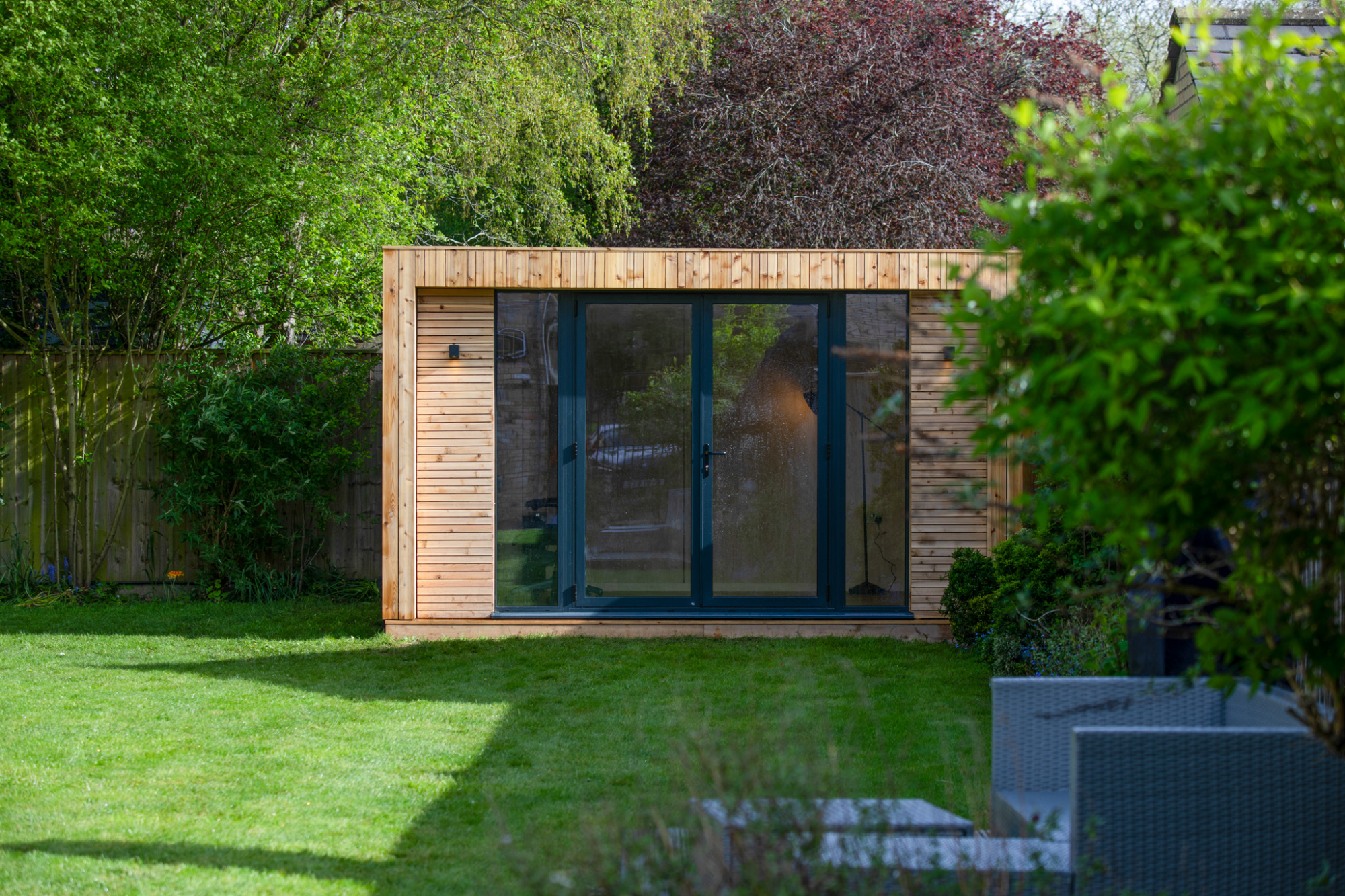
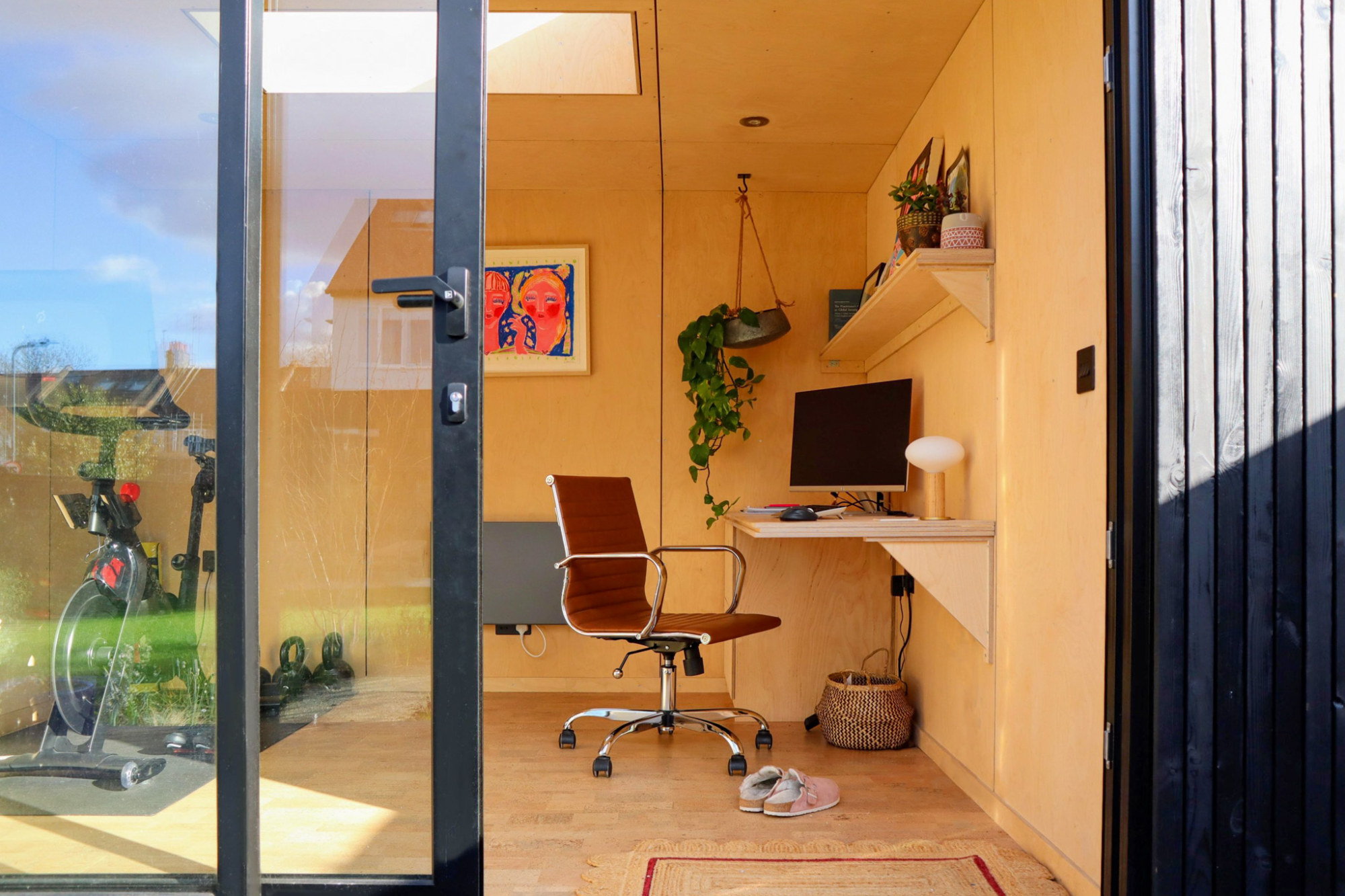
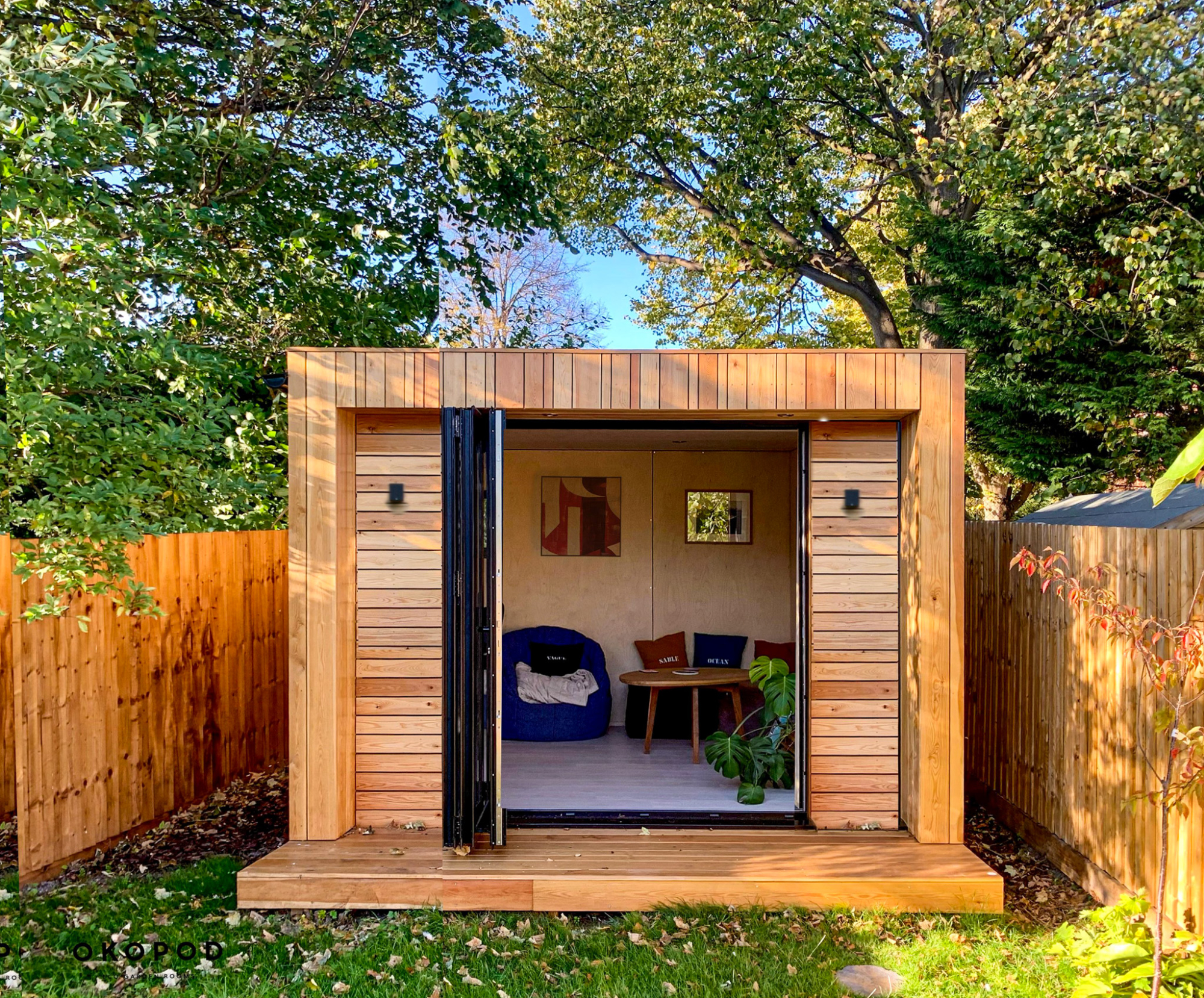
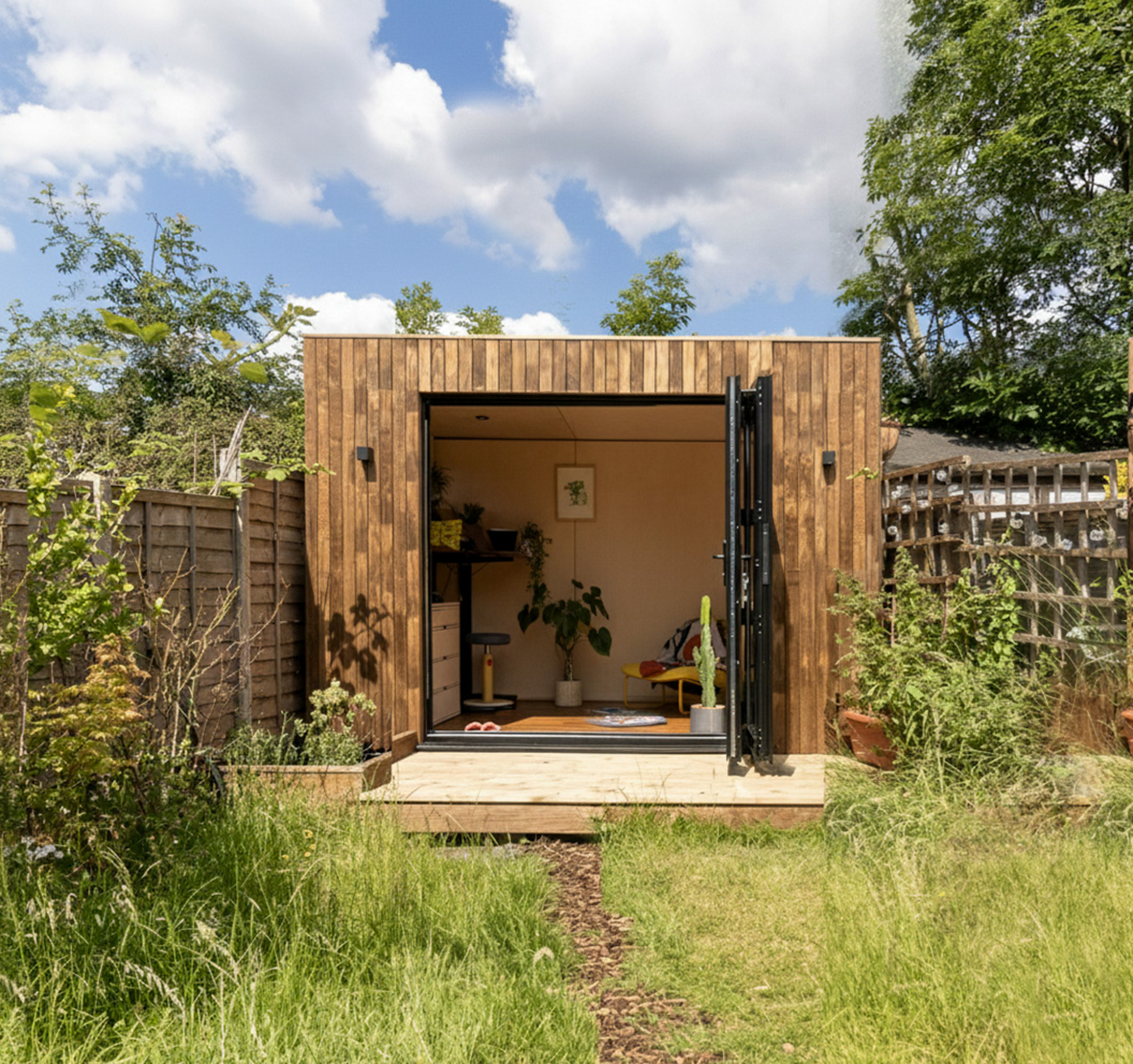
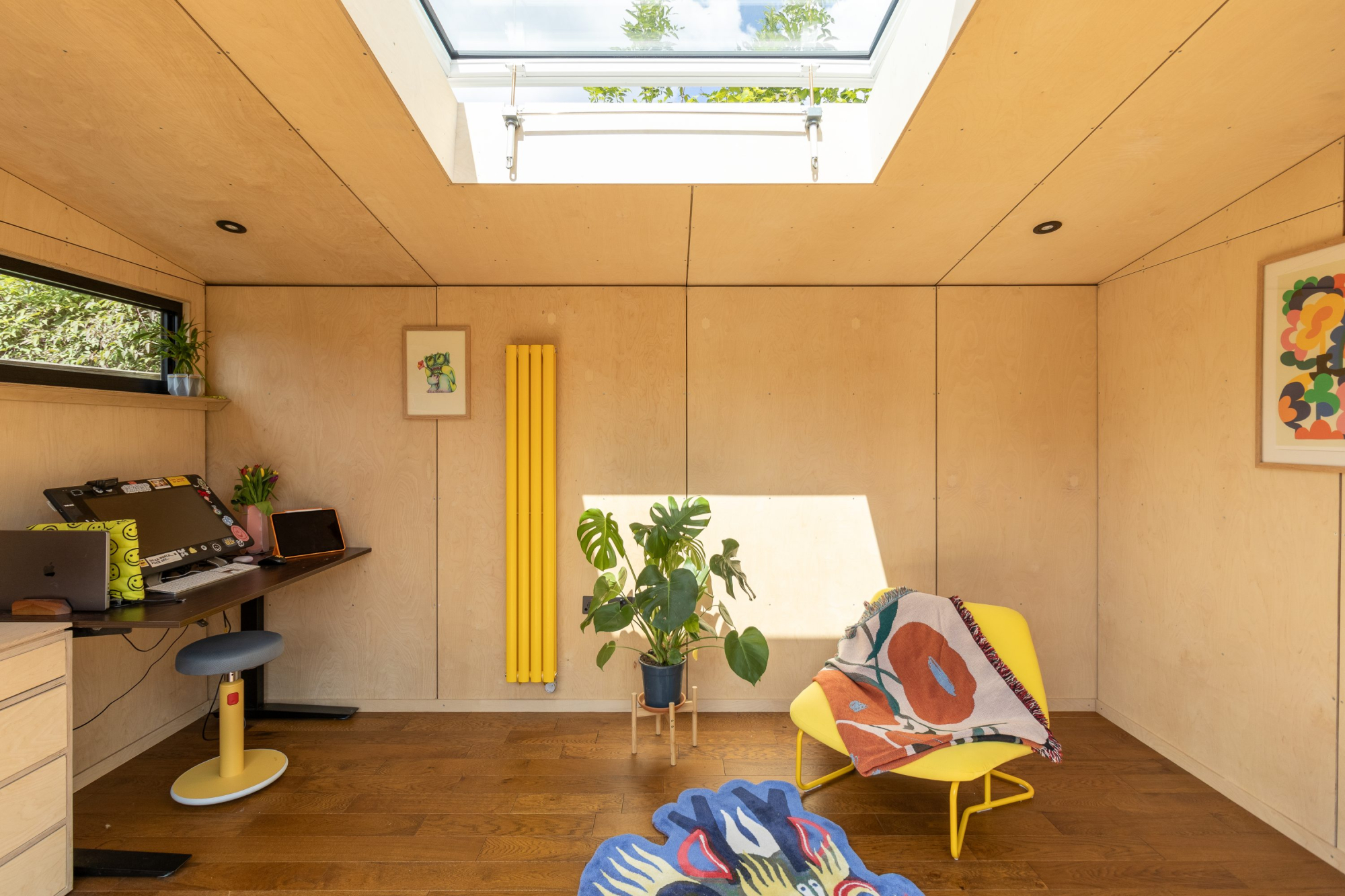
A customized wood-paneled home workspace with open bifold doors, sized intentionally to simplify or bypass the standard Colorado backyard office permit process.

Frequently Asked Questions

What size shed can I build without a permit in Colorado?

Many Colorado jurisdictions use a threshold of around 200 square feet for detached accessory structures. However, local requirements can vary, so it is important to verify the specific rules that apply to your property.

Can a backyard office be permit exempt?

Possibly. Some backyard offices may qualify for permit exemptions depending on their size, design, utility connections, and local regulations.

Does adding electricity automatically require a permit?

In many jurisdictions, electrical work requires separate permits and inspections. Requirements can vary, so homeowners should check with their local building department.

Can a prefab backyard office avoid permits?

The method of construction is usually less important than the size, location, and intended use of the structure. Permit requirements generally apply to both prefab and site-built structures.

Are setback requirements still important if a permit is not required?

Yes. Zoning regulations, setbacks, easements, and HOA rules may still apply even when a building permit is not required.

Final Thoughts

If you’re planning a backyard office or shed in Colorado, you may have more options than you think. Many jurisdictions provide permit exemptions for certain detached accessory structures, particularly when they remain within local size limits and comply with zoning requirements.

Because regulations can vary between cities and counties, the best first step is to confirm the requirements for your specific property. Doing a little research before construction begins can help you determine whether your project may qualify for an exemption and ensure your backyard office is built with confidence.

It looks like you're using an outdated browser. Please upgrade your browser for the best experience.