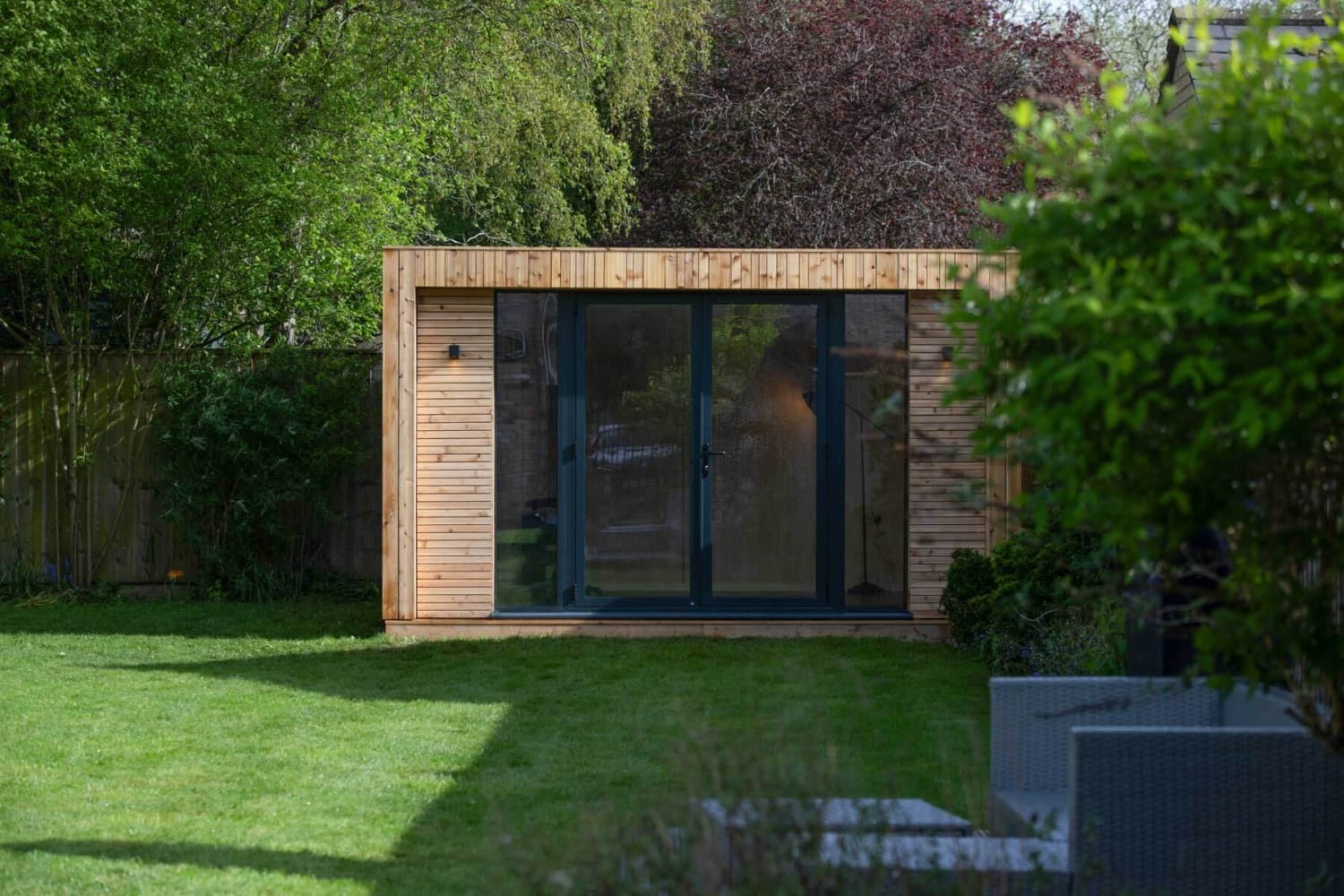
1. Texas Has No Single Statewide Rule for Permits
In Texas, there is no uniform statewide building permit requirement for backyard offices, sheds, or other accessory structures. Instead, each city or county sets its own rules and regulations, and these can vary widely.
That means what’s allowed in Houston might not be the same as in Austin, Dallas, San Antonio, or Fort Worth. Your first step should always be to contact your local building or planning department.
2. Sheds & Simple outbuildings: Common Permit Rules
For basic backyard sheds or office structures that aren’t connected to utilities or used as living spaces:
Sometimes you don’t need a permit if:
The structure is small (often under 120–200 sq. ft., depending on your city).
It’s not permanently attached to the ground with a foundation.
It doesn’t include electrical, plumbing, or HVAC.
You will likely need a permit if:
Your shed or office is larger than local size limits (often around 200 sq. ft.).
You plan to run electricity, plumbing, or other utilities to it.
It’s built with a permanent foundation (e.g., concrete slab).
You plan to use it as a habitable space (like an office with insulation, heating, or cooling).
3. Backyard Office vs. ADU (Accessory Dwelling Unit)
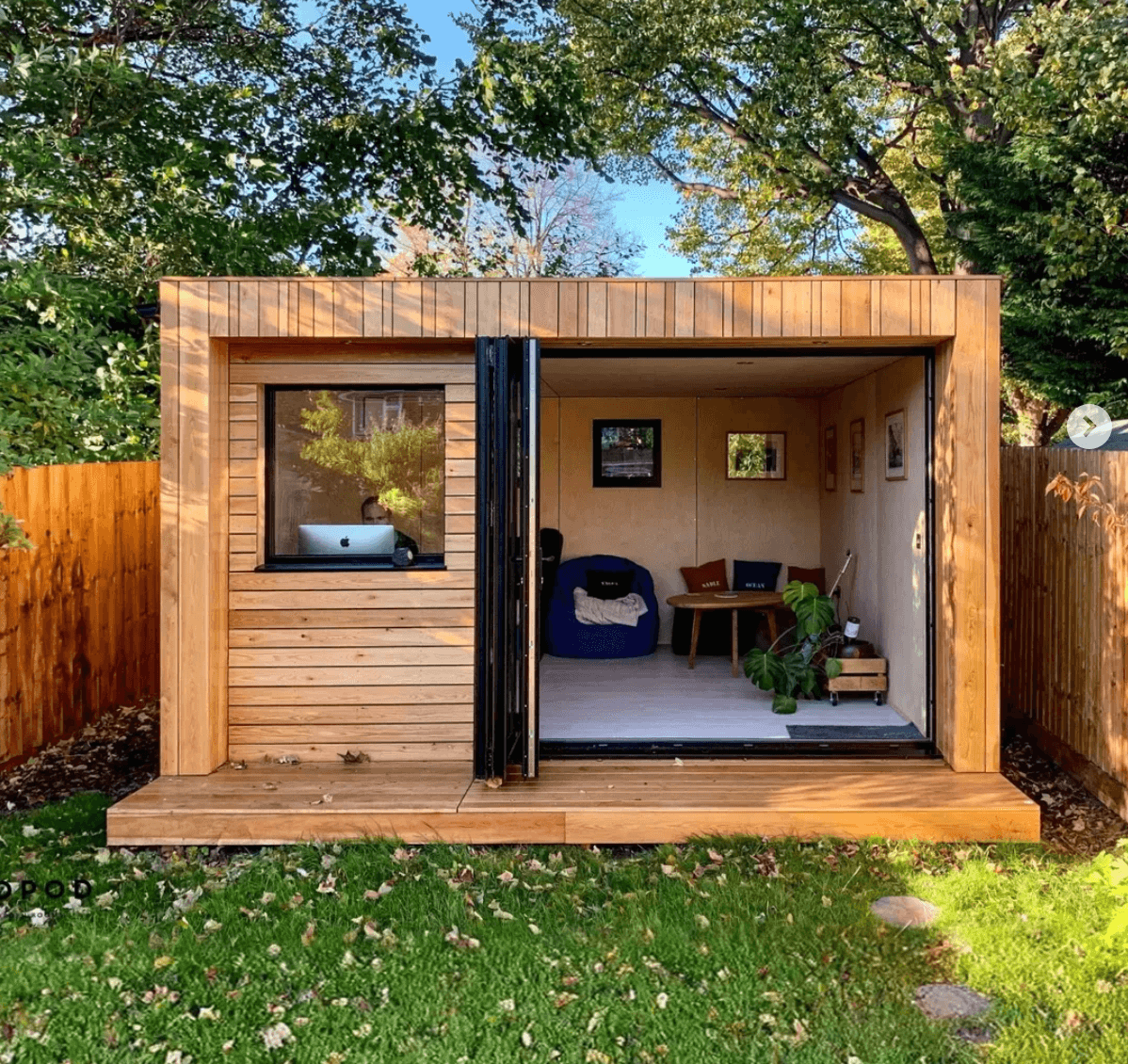
If your backyard office is simply a small detached workspace or studio, many jurisdictions treat it like a shed or other accessory building, meaning permit rules hinge on size and utility connections.
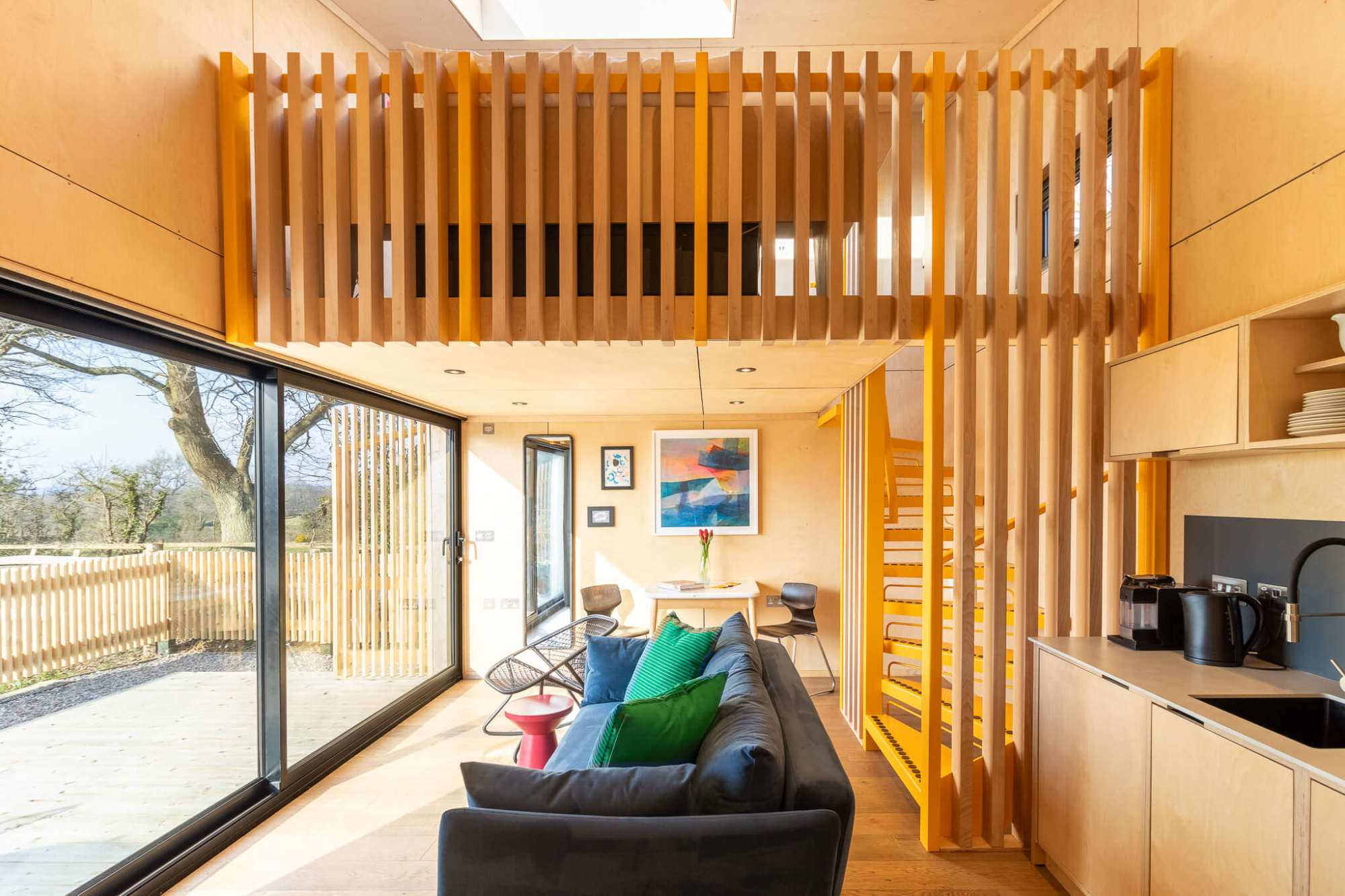
But if your structure is designed for living purposes (e.g., with a bathroom or sleeping space), it may be classified as an Accessory Dwelling Unit (ADU). In most Texas cities, an ADU requires a building permit and must comply with local building codes, including safety, electrical, plumbing, and zoning standards.
4. Zoning, Setbacks & HOA Rules
Even if a permit isn’t technically required, that doesn’t mean you’re free to build anywhere:
Setbacks – Many local ordinances require minimum distances from property lines or other structures.
Zoning – Some neighborhoods have zoning classifications that restrict what can be built where.
Homeowners’ Association (HOA) – If you live in an HOA community, you may need additional approvals, even for small sheds.
Always check with your city zoning department before building to confirm setback and zoning rules, this helps avoid fines or having to dismantle your new structure.
5. How to Get a Permit (If Needed)
If your project does require a permit, here’s a general process homeowners go through:
Contact your local building department.
Submit a permit application with a basic site plan and structure details.
Pay any application fees.
Undergo inspections during and after construction.
Each city has its own process, timelines, and fees, so do your homework ahead of time.
Final Takeaways
Yes, you might need a permit for a backyard office or shed in Texas.
Whether you need one depends on local rules, size, utility connections, foundation type, and intended use.
Always contact your local planning or building department before starting your project, the last thing you want is an expensive surprise.