Do ADUs Require Permits in Texas?
Yes. In every major Texas jurisdiction, an Accessory Dwelling Unit (ADU) requires a building permit. Because these are classified as “habitable” spaces, meaning they are intended for living, sleeping, and cooking, they must meet the International Residential Code (IRC) standards.
This includes permits for:
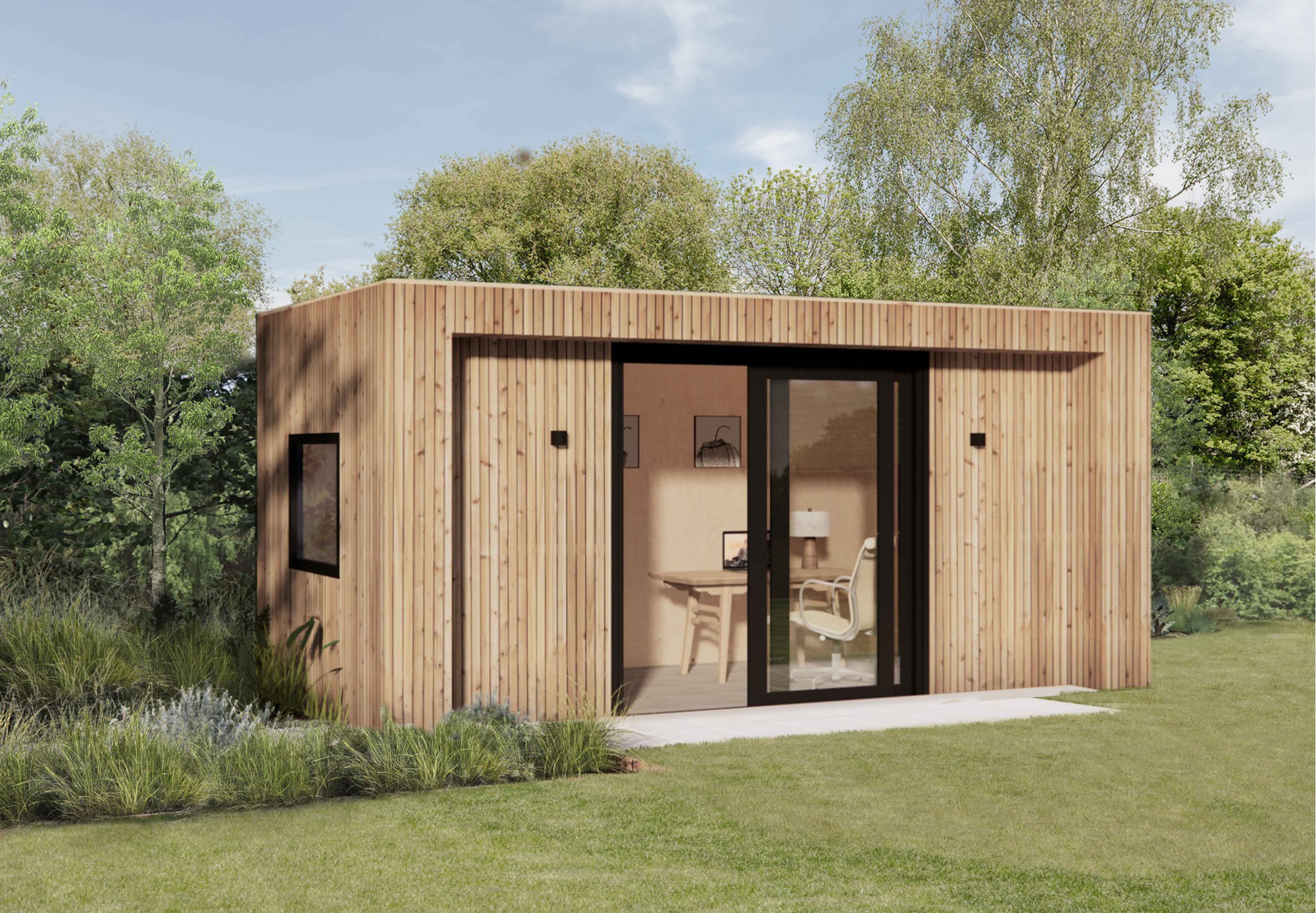
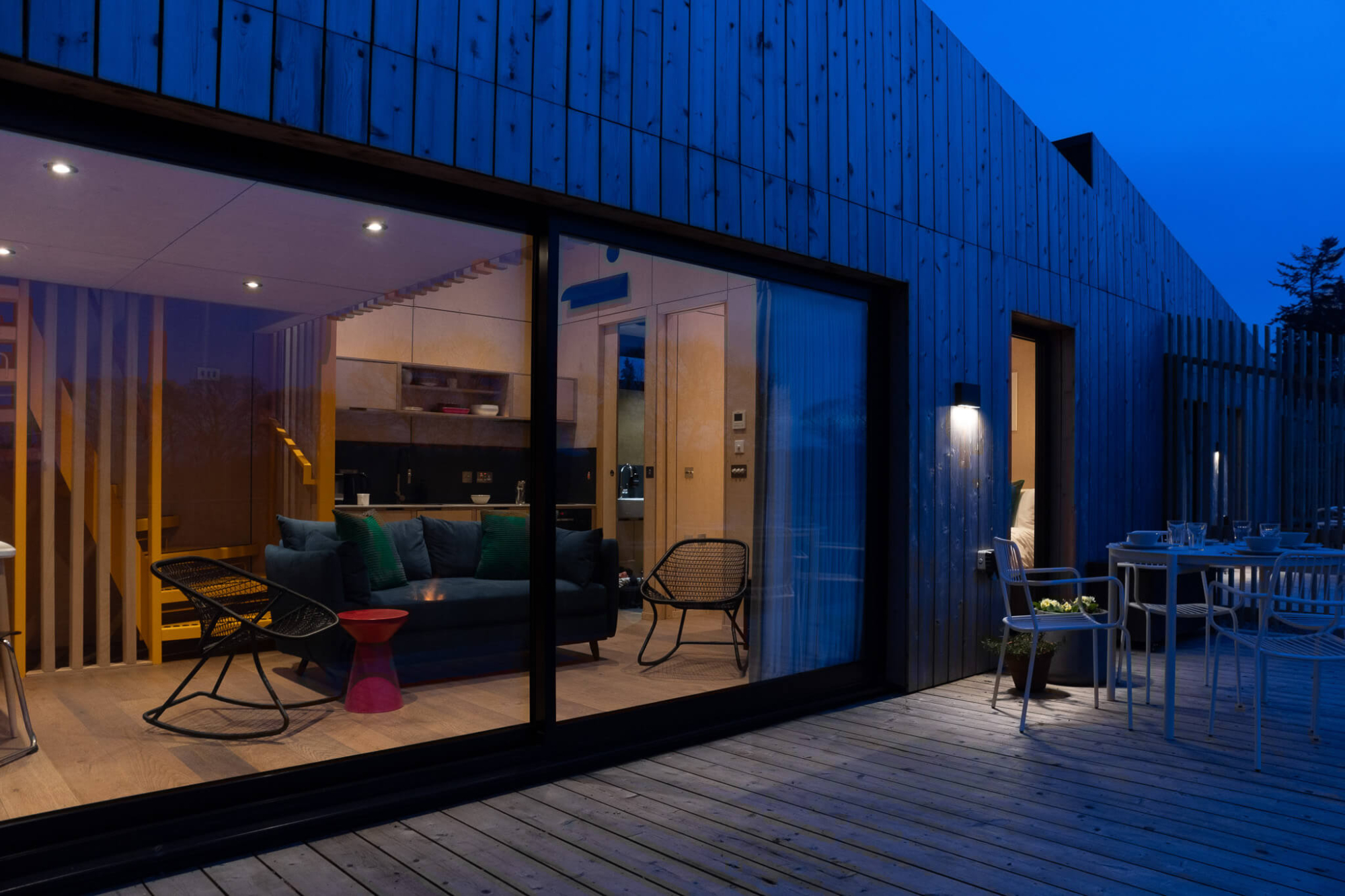
- Detached ADUs: New stand-alone “casitas” or backyard houses.
- Attached ADUs: Additions built onto the side or back of your primary home.
- Garage Conversions: Turning a vehicle space into a studio or apartment.
- Interior Conversions: Renovating a basement or attic into a self-contained unit.
Because ADUs involve plumbing for bathrooms and kitchens, electrical wiring, and HVAC systems, they trigger mandatory inspections for fire safety and energy efficiency.
What is an Accessory Dwelling Unit (ADU) in Texas?
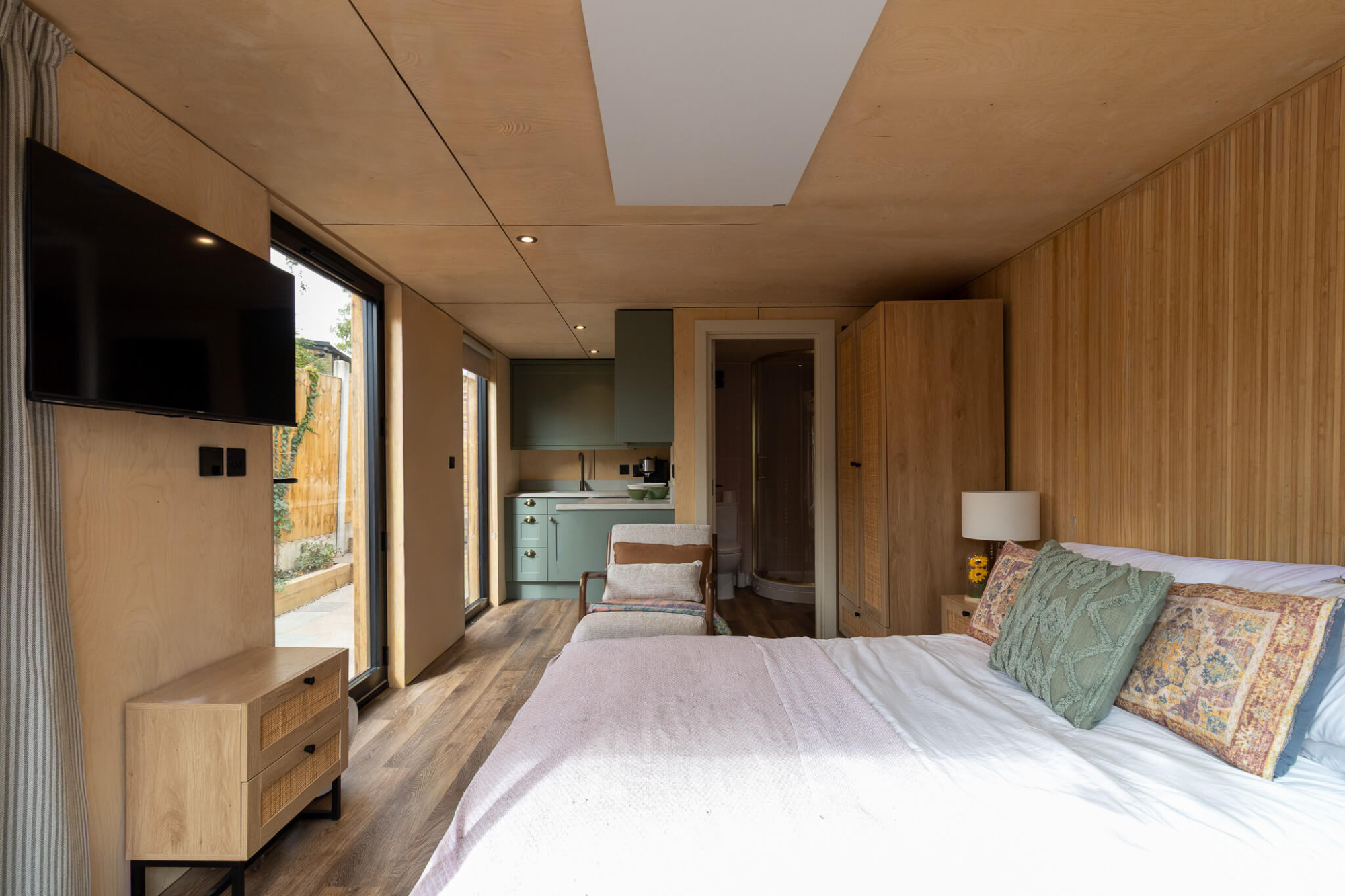
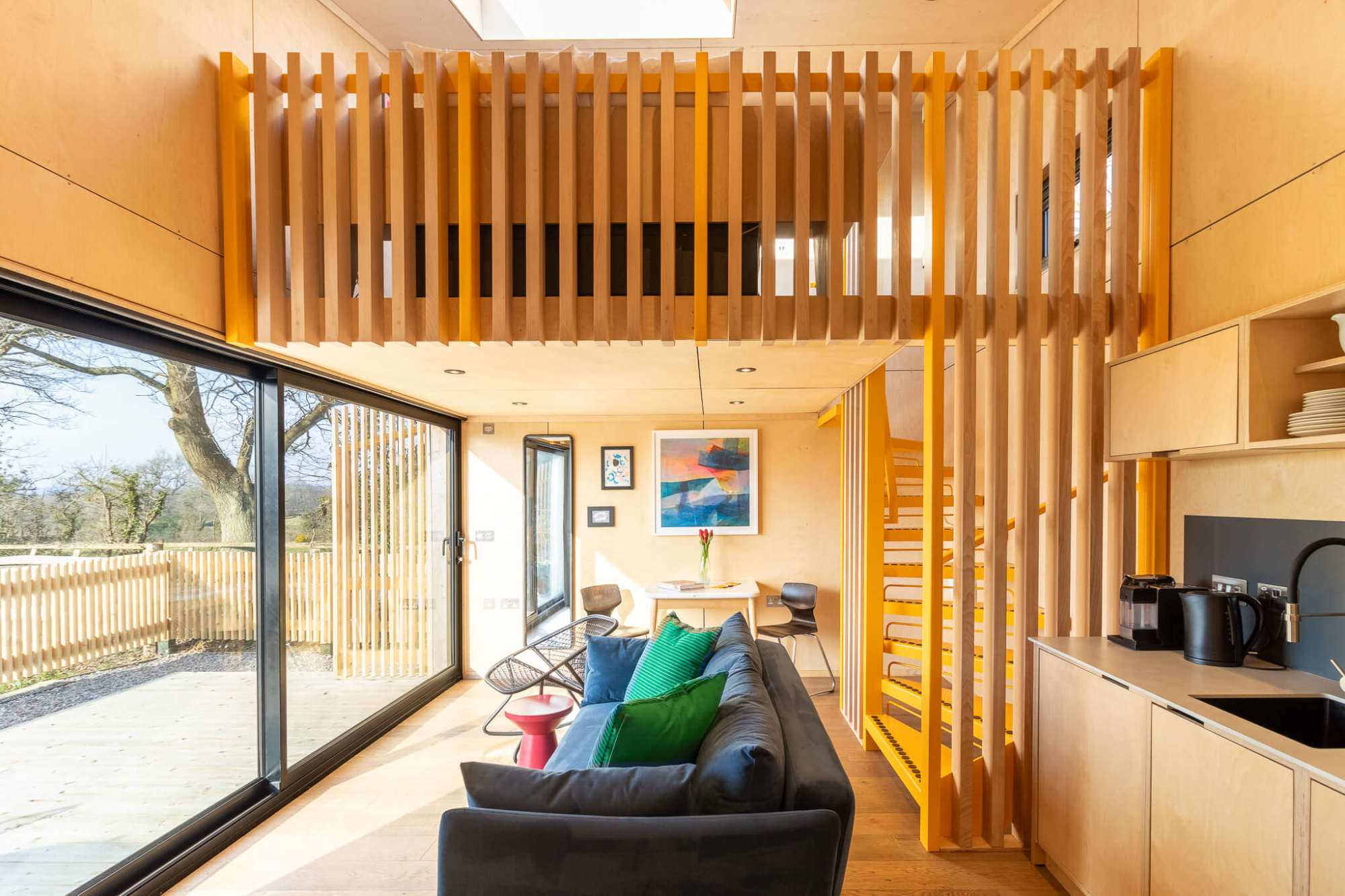
An ADU is a secondary, self-contained residential unit located on the same lot as a primary single-family home. To be legally considered an ADU in Texas, the structure typically must include:
- A permanent kitchen or kitchenette.
- A full bathroom.
- A dedicated sleeping area.
- A separate entrance.
Commonly called “granny flats,” “casitas,” or “in-law suites,” these units add significant value but must be registered with the city to be occupied legally