Return to Journal

Accessory Dwelling Unit (ADU) How Much Does an ADU Cost to Build?

Accessory Dwelling Units, commonly known as ADUs, have become one of the most popular ways for homeowners across the United States, especially in California, to add flexible living space to their property. Whether you are looking to generate rental income, create space for family, or increase the value of your home, ADUs offer a practical and future-proof solution.One of the most common questions homeowners ask is simple: how much does an Accessory Dwelling Unit cost to build? This guide breaks down costs, explains what affects pricing, and starts with the basics.
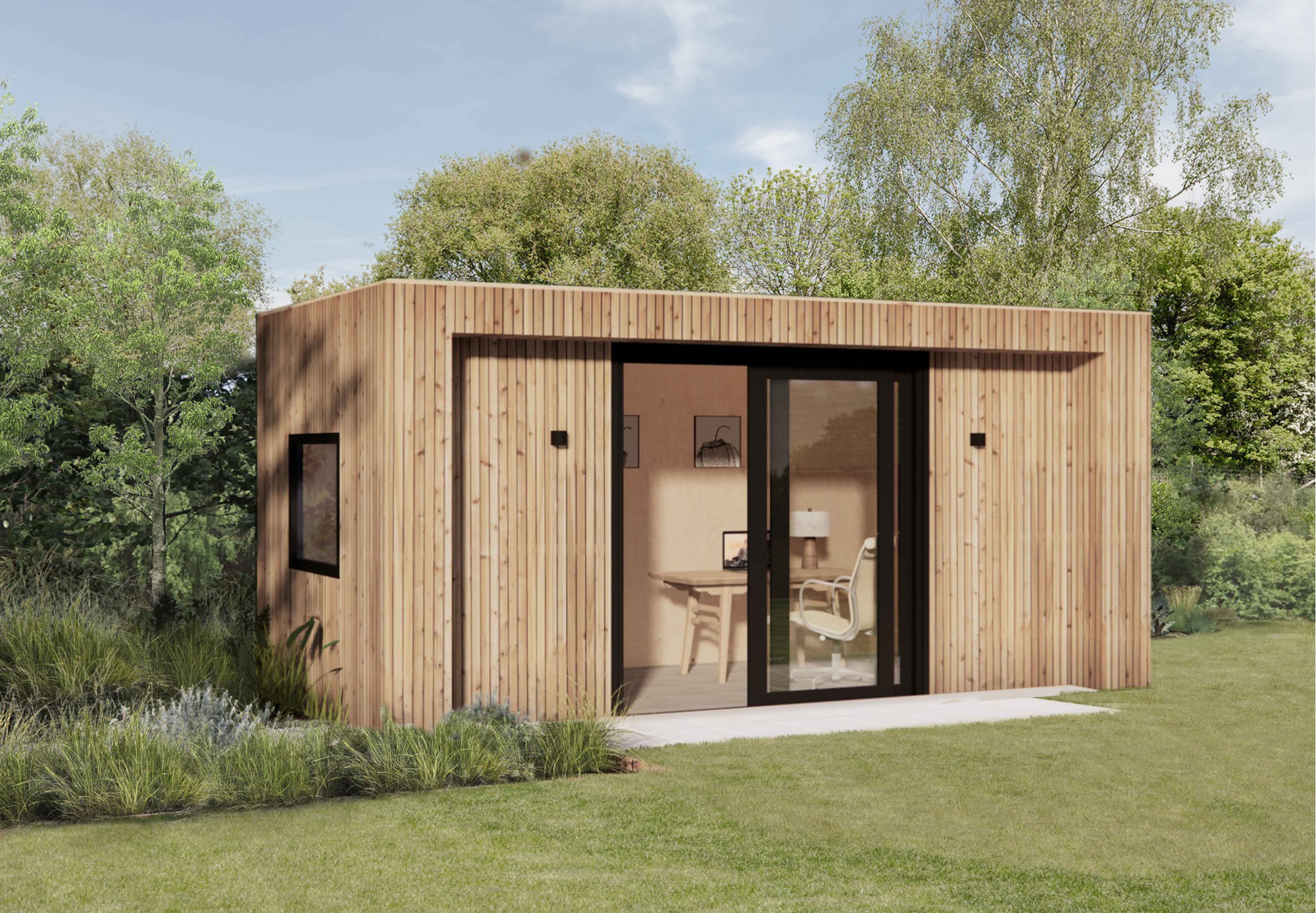
Accessory Dwelling Unit Cost featuring Yakisugi Cladding

Accessory Dwelling Unit Meaning

Before discussing costs, it is important to understand the Accessory Dwelling Unit meaning.

An Accessory Dwelling Unit (ADU) is a self-contained residential unit located on the same lot as a primary home. It often includes its own kitchen, bathroom, sleeping area, and living space. ADUs can be:

– Detached units built in the backyard

– Converted garages or existing structures

– Attached additions to the main home

In California, ADUs are also known as granny flats, in-law units, backyard homes, or secondary dwelling units. They are smaller than the main house and must comply with state and local building codes.

Recent changes to California ADU laws have made permits easier to obtain and reduced barriers for homeowners. Understanding the Accessory Dwelling Unit meaning helps clarify how size limits, permitting rules, and construction costs apply.
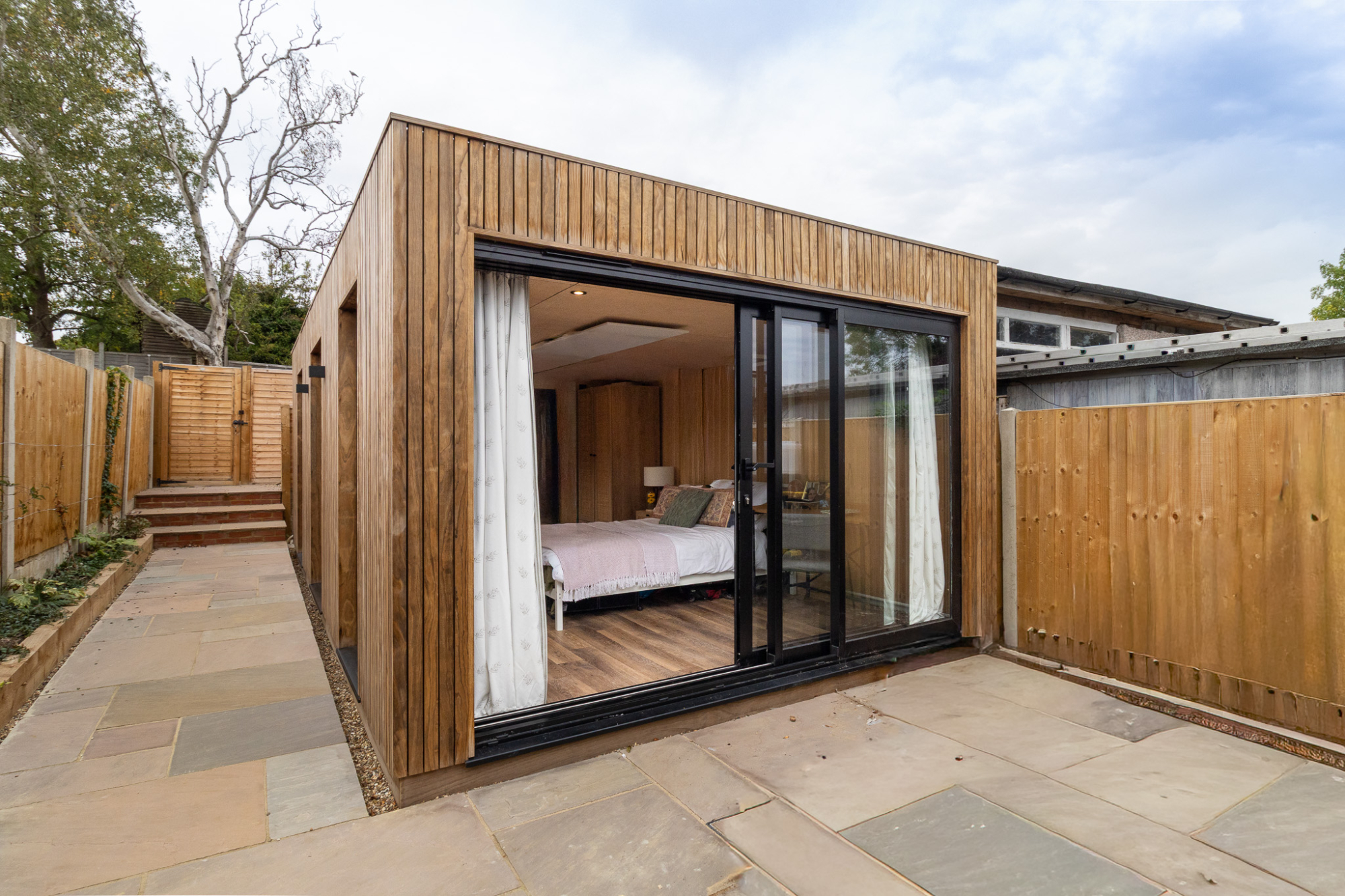
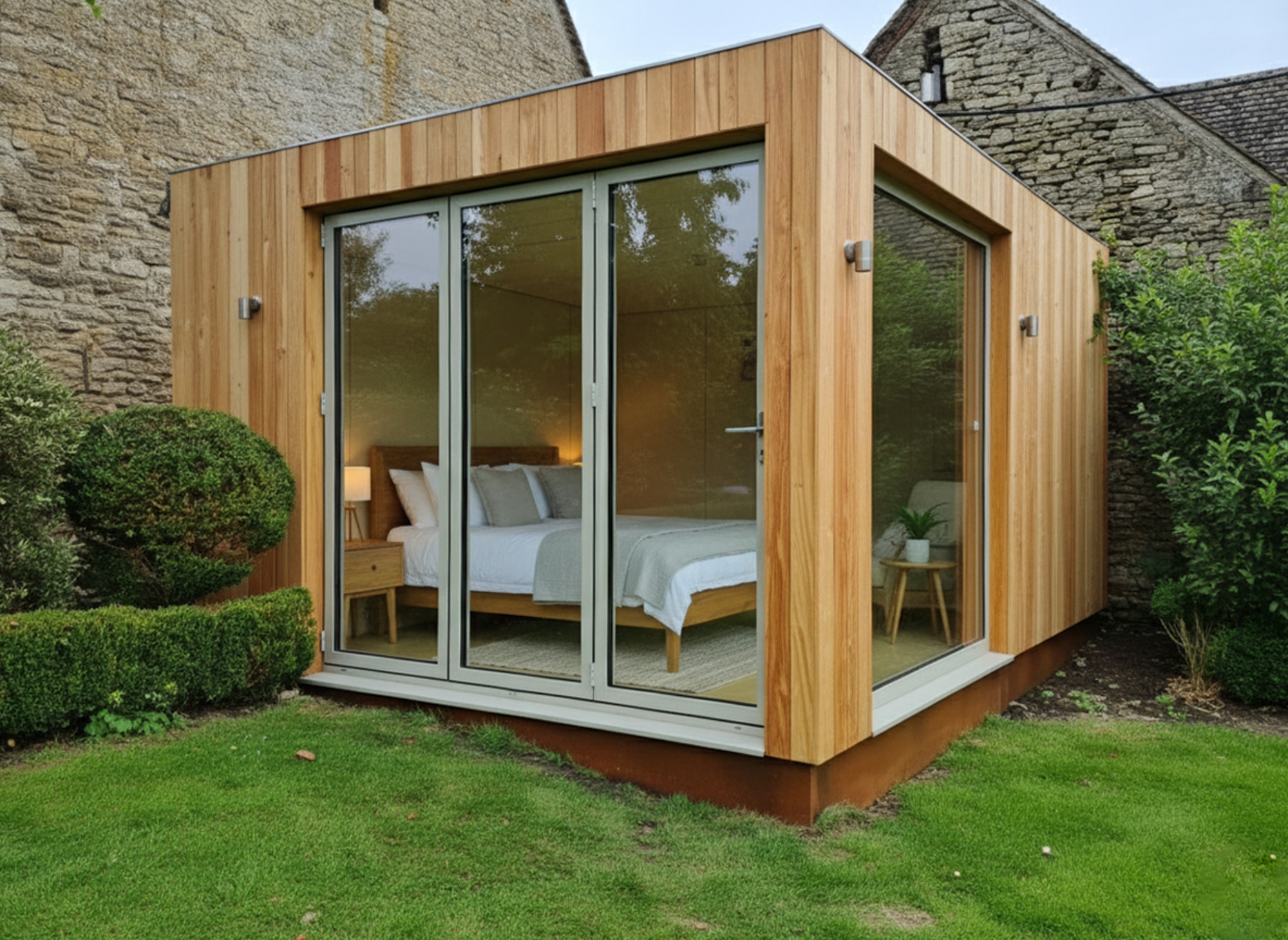
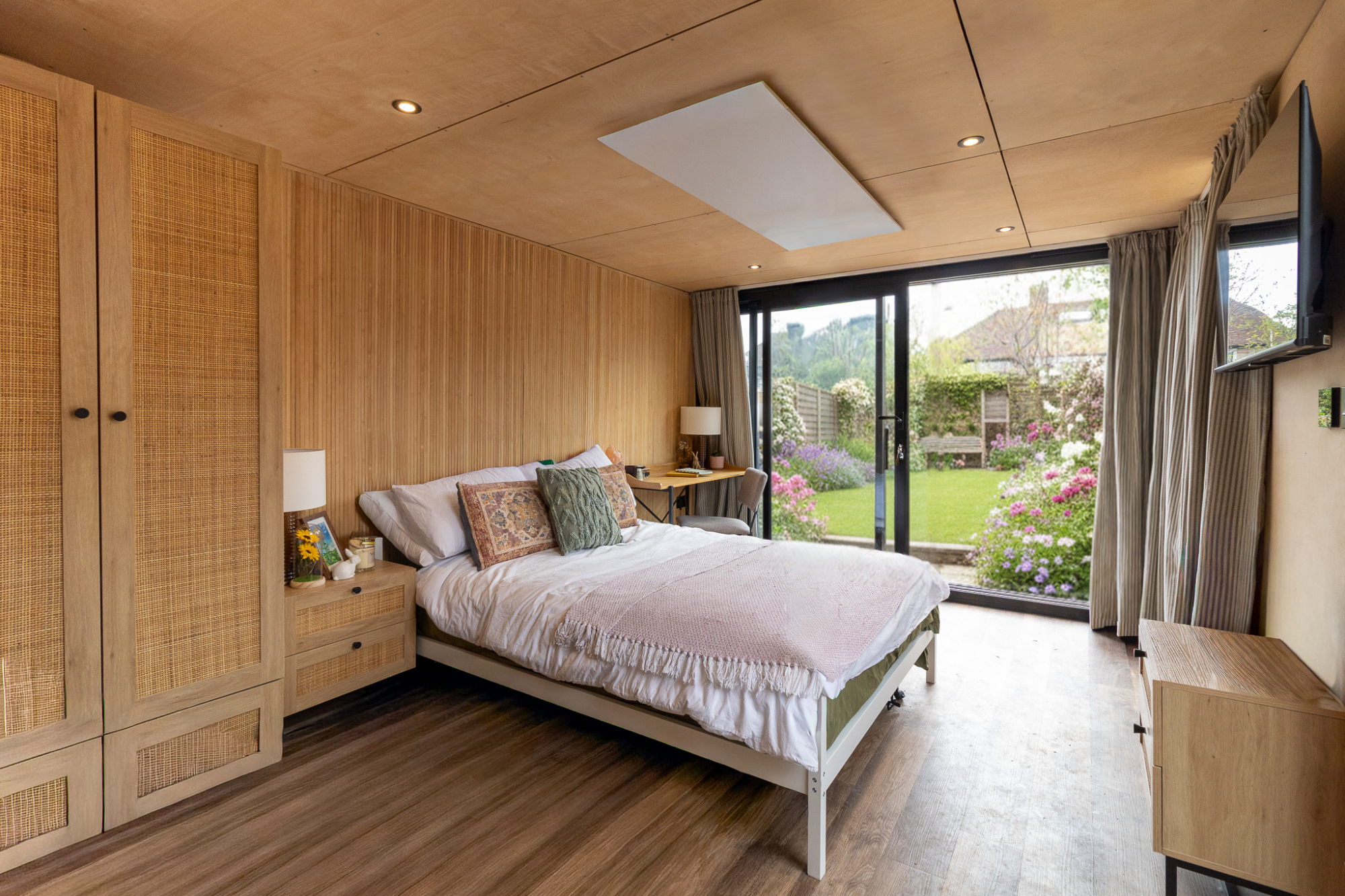
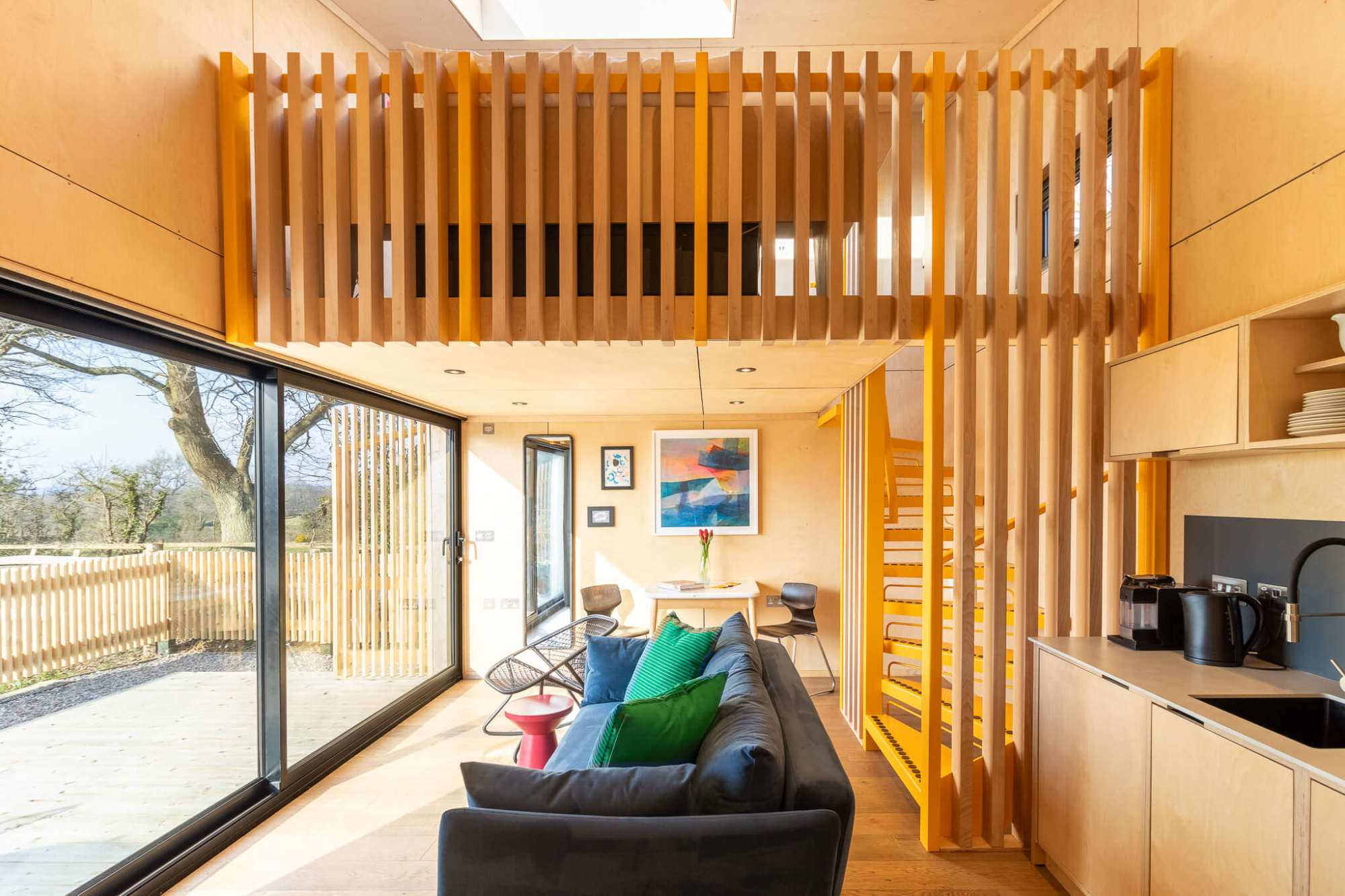
Accessory Dwelling Unit - Granny Flat featuring a One Bed Studio

How Much Does It Cost to Build an ADU?

The cost to build an ADU varies depending on size, location, design, and construction method. In California, most homeowners can expect the prices to start:

Studio ADU: $52,000 + (237 sqft)

One-bedroom ADU: $58,500 + (262 sqft)

Two-bedroom ADU: $92,000 + (537 sqft)

Prefab and factory-built ADUs often fall at the lower end of these ranges due to faster build times and more predictable pricing.

Talk To The Team About Your ADU

Accessory Dwelling Unit | Designed and Built in Anaheim, California

What Impacts the Cost of an ADU?

Several factors influence the final cost of an Accessory Dwelling Unit.

Size and Layout

Larger ADUs require more materials, labor, and services. A compact studio will always cost less than a full one- or two-bedroom unit.

Site Conditions

Sloped lots, restricted access, or challenging ground conditions can increase groundwork and installation costs.

Permits and Fees

Permit fees vary by city and county. While California has simplified ADU approvals, fees such as utility connections and school impact fees may still apply depending on size.

Utilities

Connecting water, sewer, electricity, and data can be straightforward or complex depending on the property and distance from existing services.

Construction Method

Traditional on-site construction typically takes longer and involves more labor. Factory-built and modular ADUs reduce waste, speed up installation, and limit disruption, often resulting in better cost control.

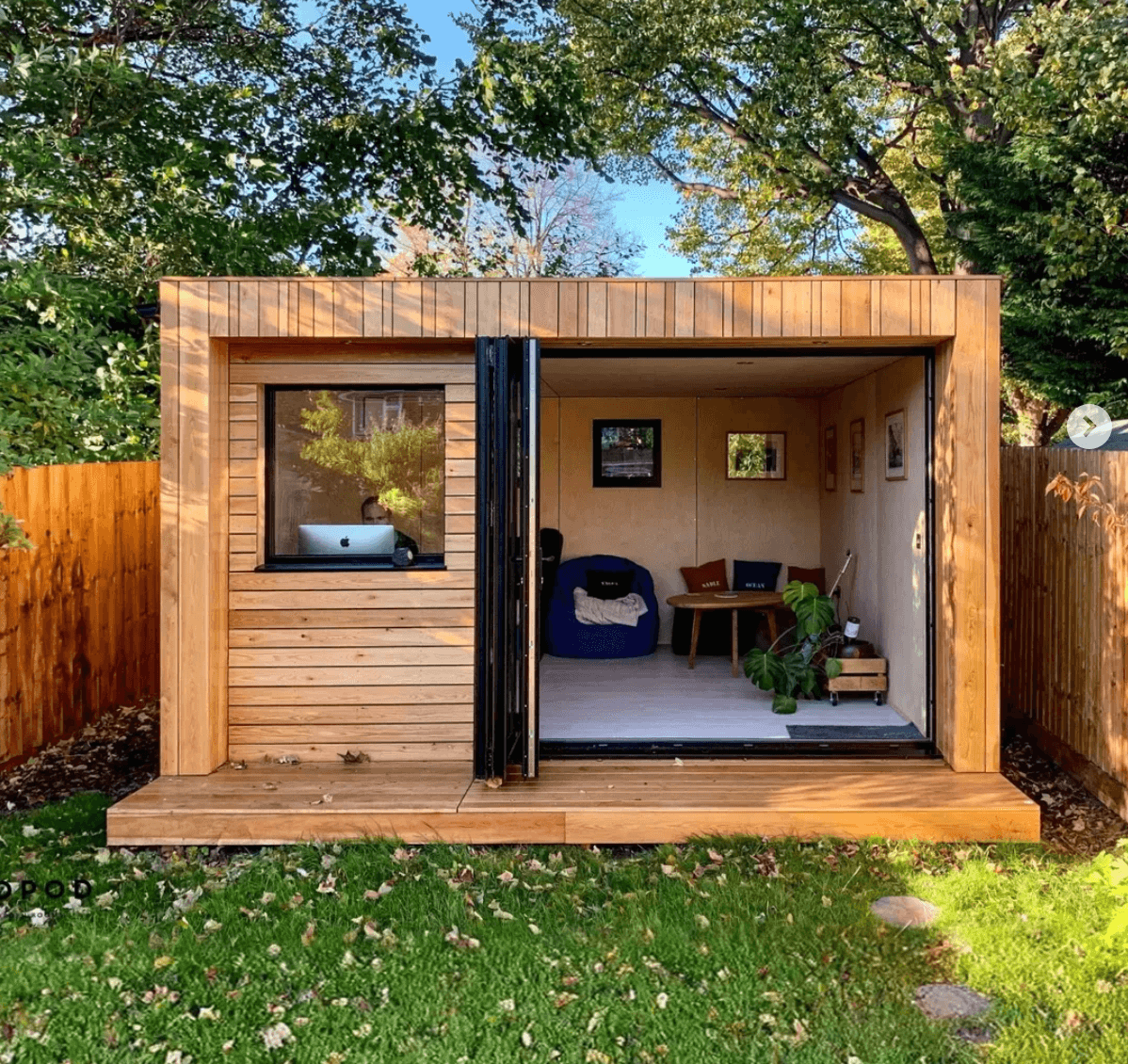
One-Bed Prefab Accessory Dwelling Unit

Prefabricated ADUs vs Traditional Builds

Many homeowners choose prefabricated ADUs because they offer:

– Shorter construction timelines

– Consistent quality and precision

– Reduced site disruption

– More predictable budgets

With off-site construction, most of the build happens in a factory environment before being delivered and installed in the backyard. This approach is especially beneficial in dense urban areas or tight access sites.

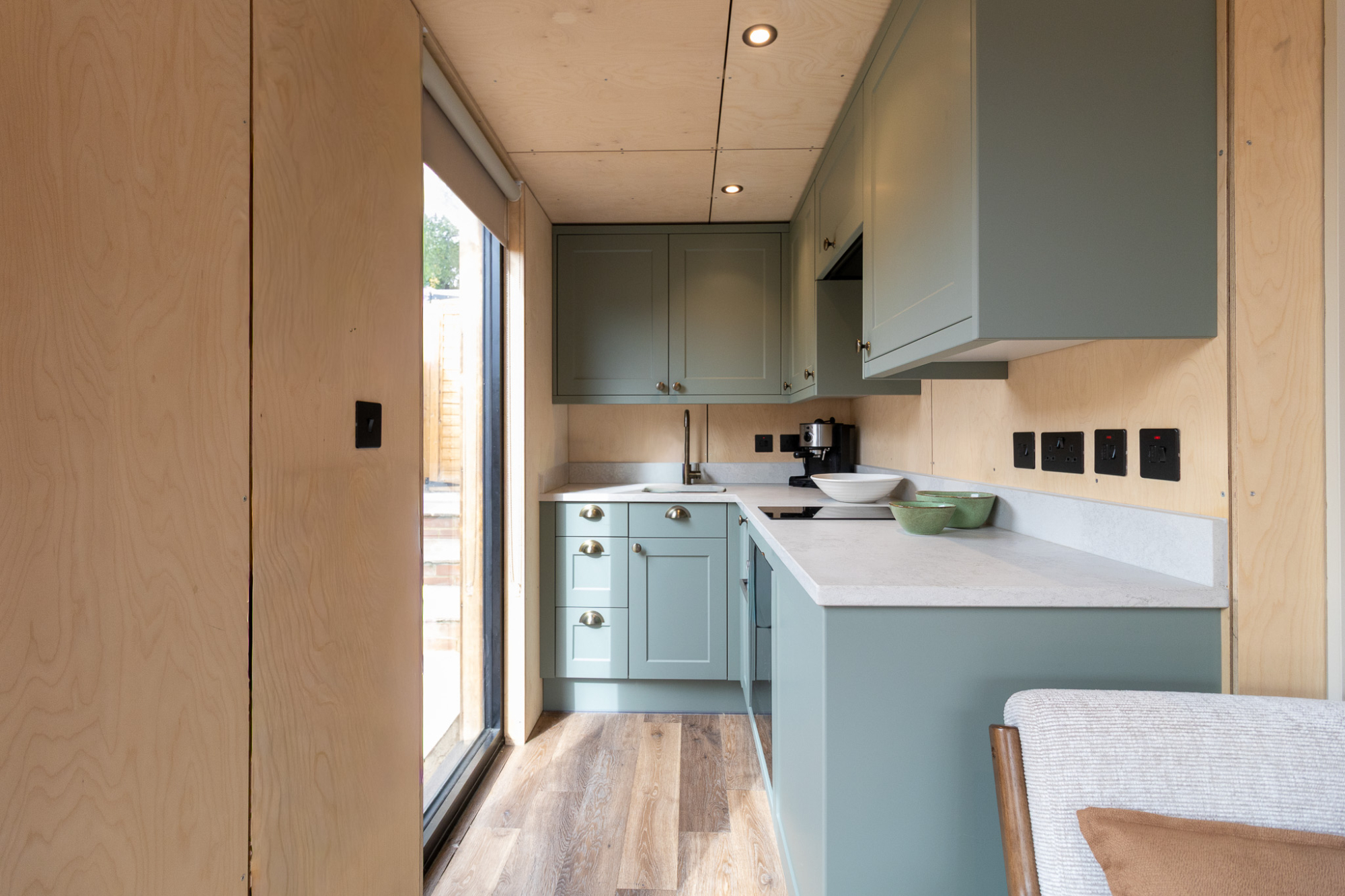
ADU featuring kitchenette

Do ADUs Add Value?

Yes. In many California markets, ADUs significantly increase property value. They also offer long-term flexibility, including:

– Rental income

– Multigenerational living

– Home office or guest accommodation

– Future resale appeal

Understanding the Accessory Dwelling Unit meaning and how ADUs function as independent living spaces helps explain why they are seen as both lifestyle upgrades and smart financial investments.

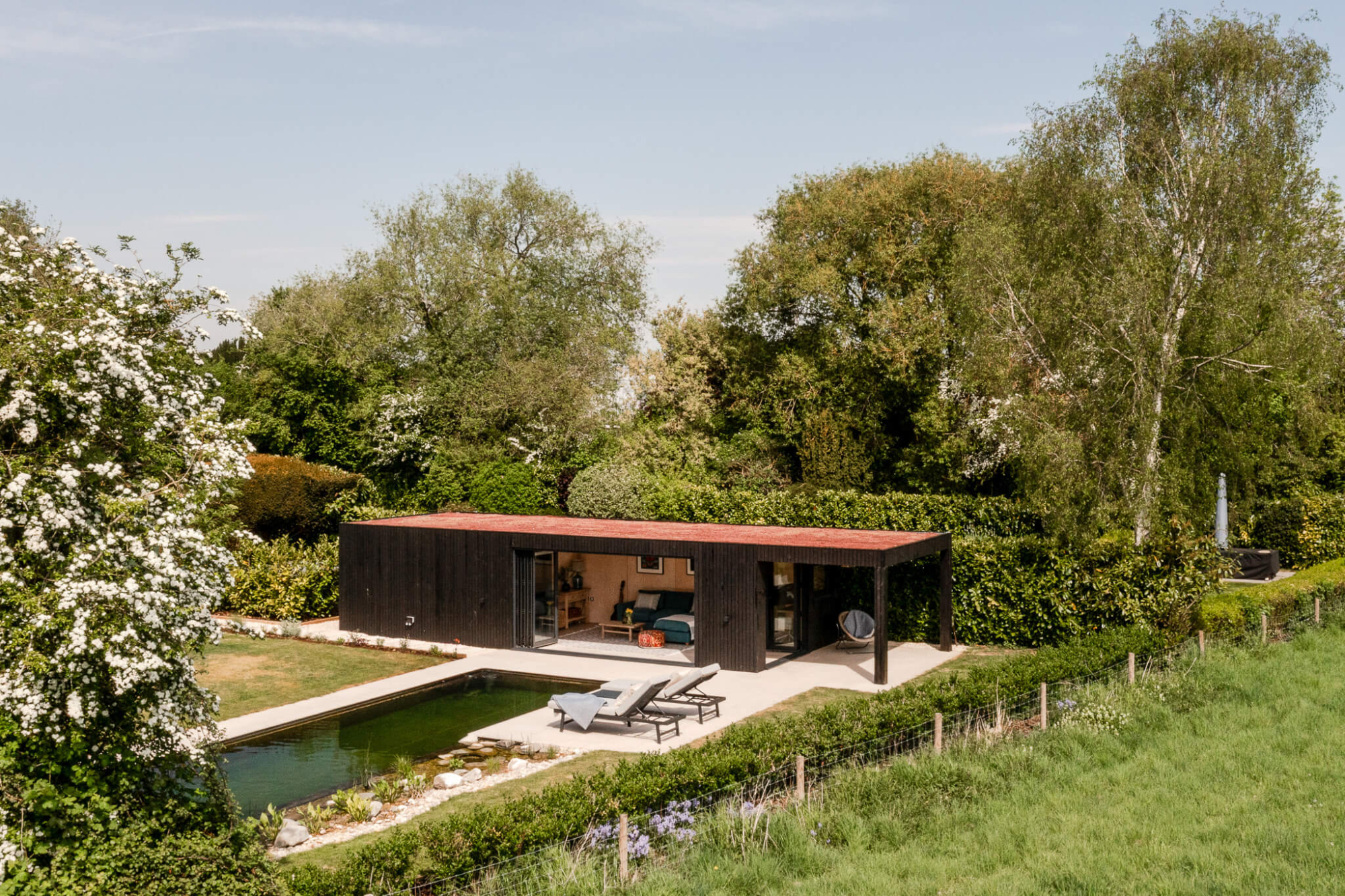
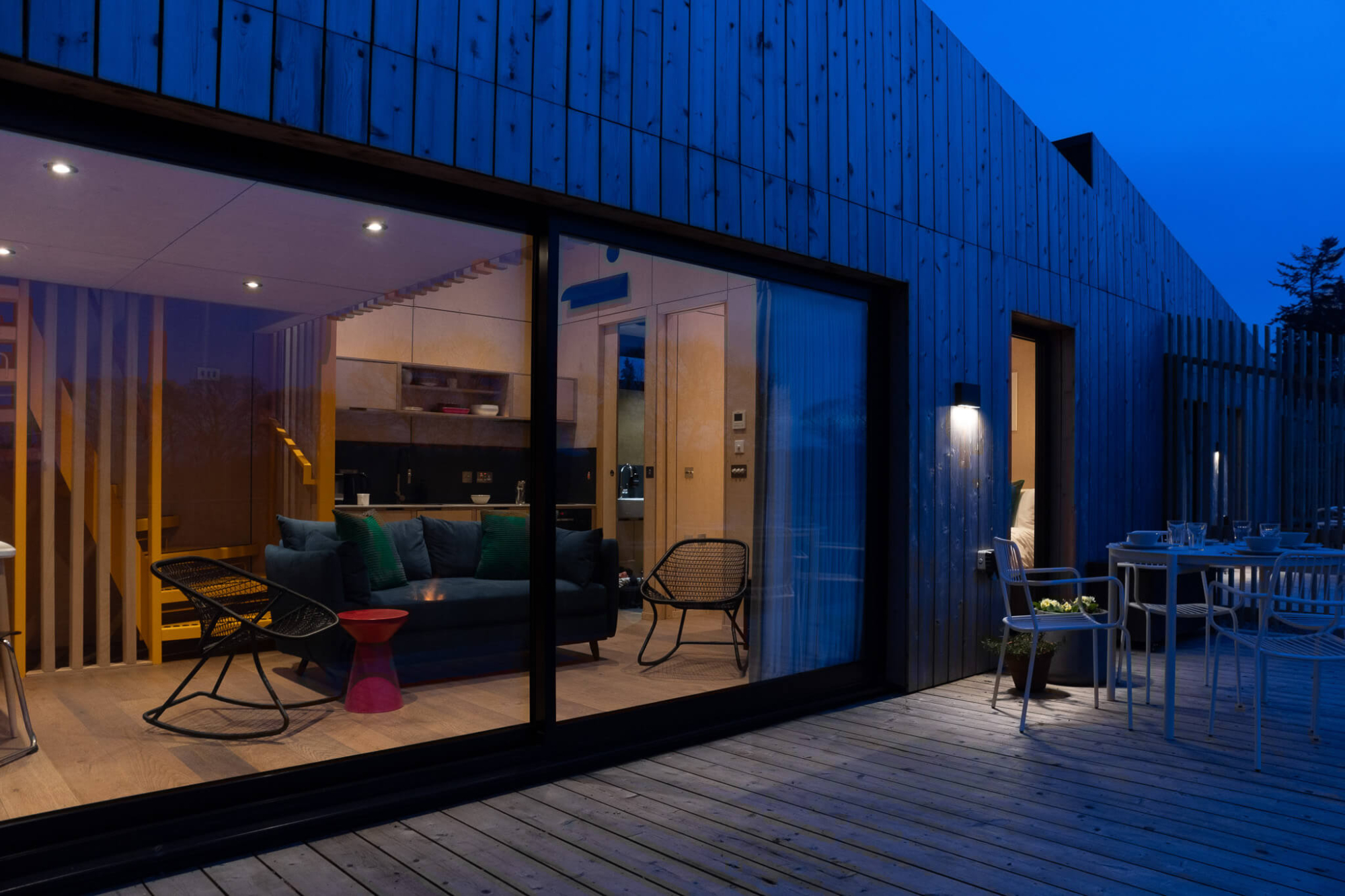
Accessory Dwelling Uni (ADU) featuring Yakisugi Cladding and a Sedum Roof

Is an ADU Worth It?

For many homeowners, the answer is yes. While the upfront cost is higher than a simple backyard structure, an ADU provides a fully functional home with long-term value. When designed well and built efficiently, an ADU can pay for itself over time through rental income or increased resale value.

Final Thoughts

Accessory Dwelling Units are no longer niche additions. They are a mainstream housing solution driven by changing lifestyles, housing demand, and supportive legislation.

By understanding the Accessory Dwelling Unit meaning, realistic costs, and the benefits of modern construction methods, homeowners can make informed decisions about adding an ADU to their property.

If you are considering an ADU, speaking with a specialist early in the process can help you understand feasibility, costs, and design options specific to your site.

It looks like you're using an outdated browser. Please upgrade your browser for the best experience.