Return to Journal

Do I Need a Permit for an Accessory Dwelling Unit or Outbuilding in California? Rules and Regulations Explained

If you are planning to add extra space to your property in California, whether that is an Accessory Dwelling Unit (ADU) or a smaller outbuilding, one of the first questions to answer is: do I need a permit?The answer depends on what you are building, how large it is, and how it will be used. This guide explains when permits are required for ADUs, what rules apply statewide, what varies locally, and which outbuildings may not need a permit.
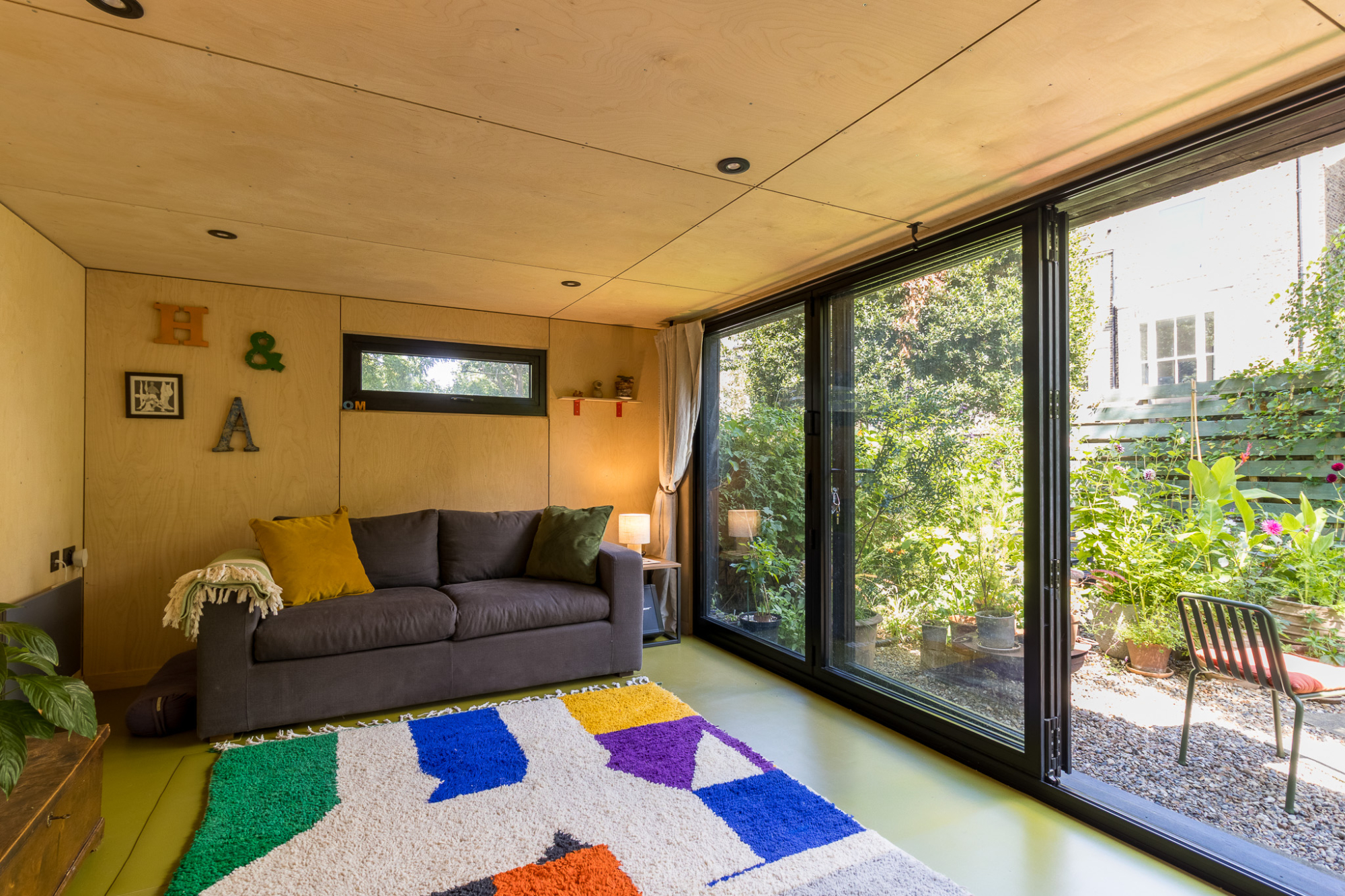
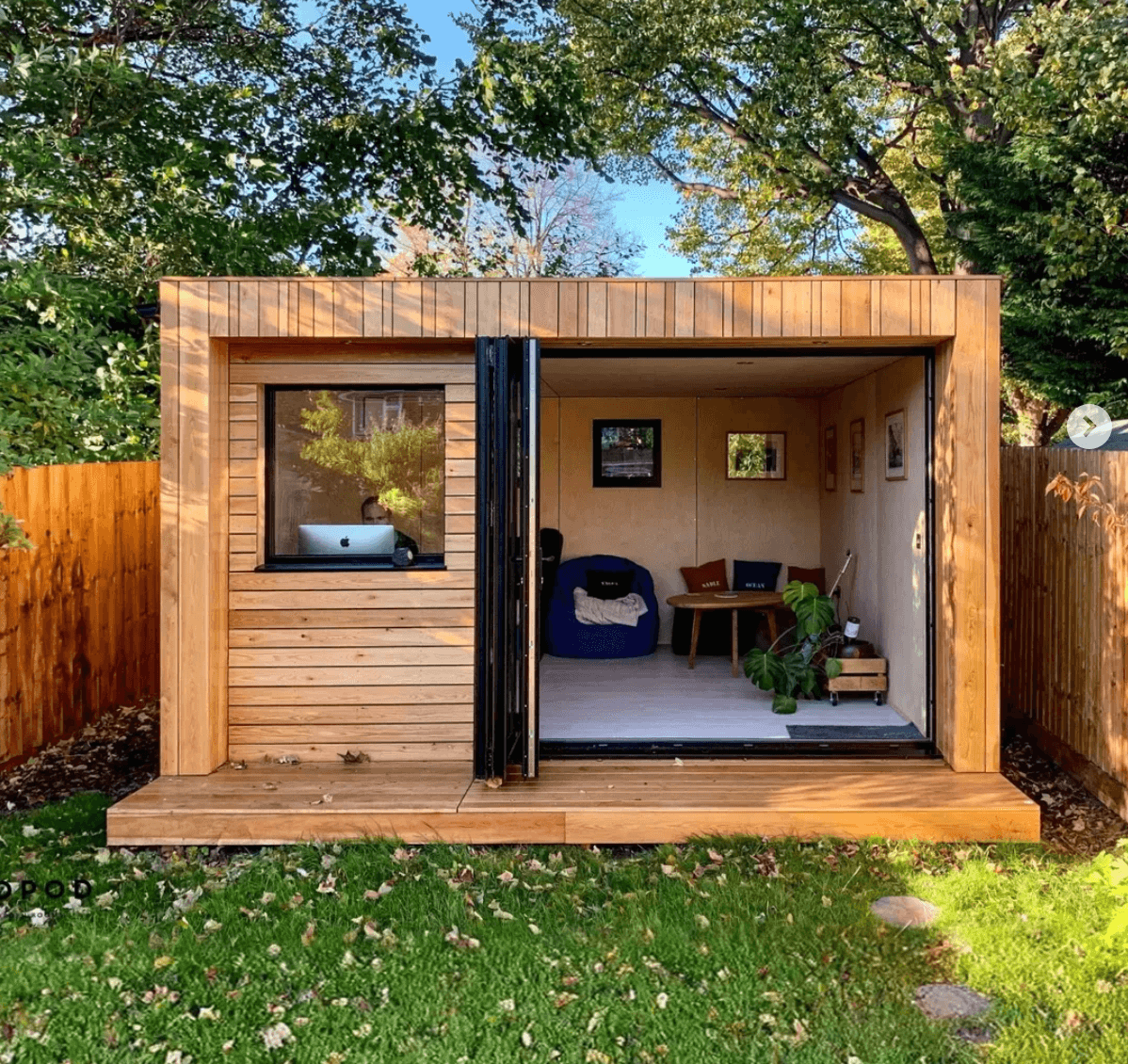
ADU featuring Cedar Cladding

Do ADUs Require Permits in California?

Yes. All Accessory Dwelling Units in California require a building permit.
This applies to:

– Detached ADUs

– Attached ADUs

– Garage conversions

– Basement or interior conversions

ADUs are considered habitable living spaces, meaning they must meet California Building Code requirements for structure, fire safety, energy efficiency, plumbing, and electrical systems.

SCROLL TO SEE WHAT OUTBUILDINGS DO NOT REQUIRE A PERMIT IN CALIFORNIA.

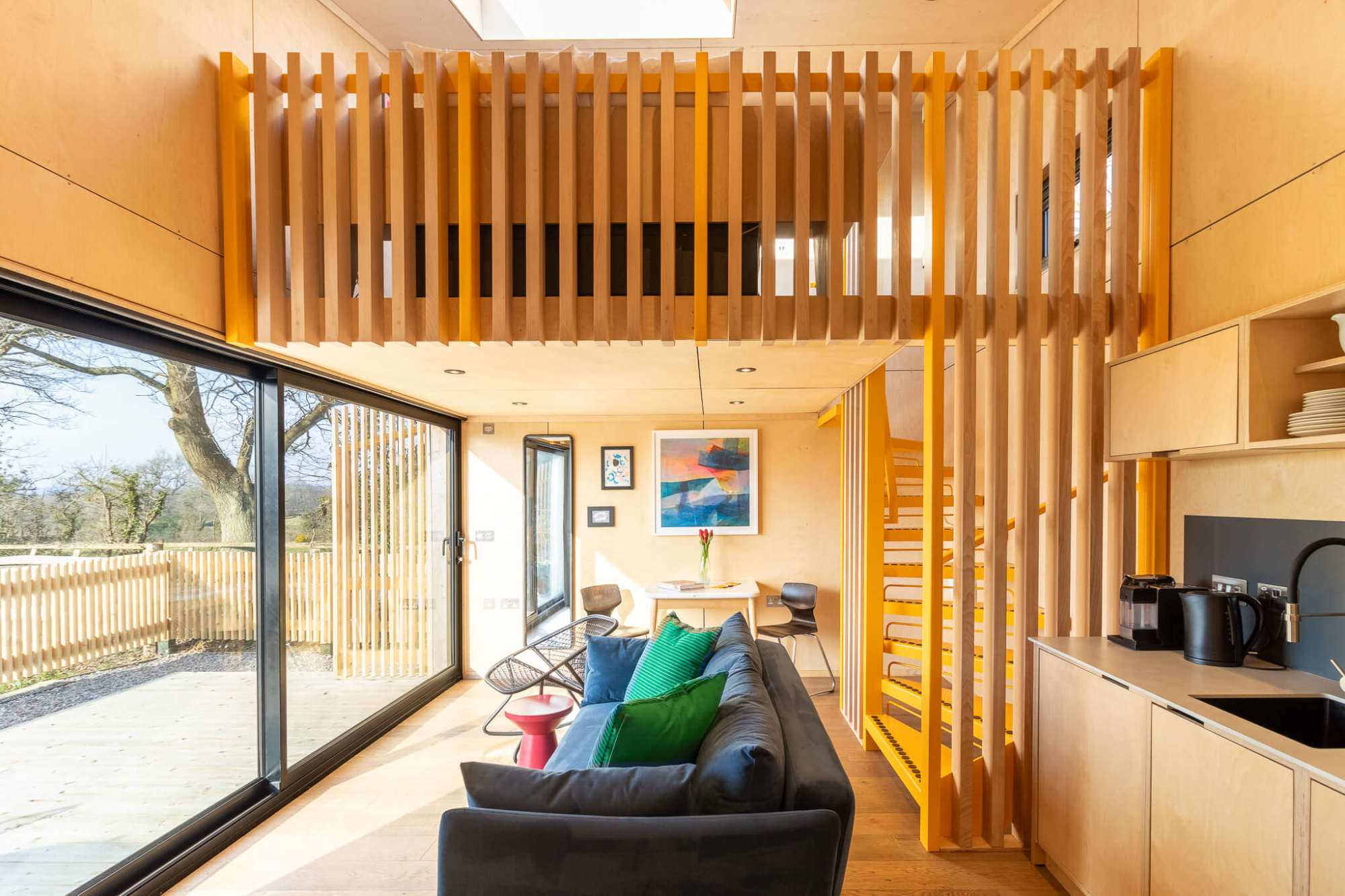
Double Height - Two-Bed ADU

Accessory Dwelling Unit Meaning

An Accessory Dwelling Unit (ADU) is a self-contained residential unit located on the same lot as a primary home. It typically includes its own kitchen, bathroom, sleeping area, and living space.

ADUs are commonly referred to as:

– Granny flats

– In-law units

– Backyard homes

– Secondary dwelling units

Understanding the Accessory Dwelling Unit meaning is important because it determines whether a structure is classified as habitable and therefore subject to full permitting and inspection.

Granny Flat, ADU

Key State-Mandated ADU Rules in California

California has introduced statewide ADU laws that limit how restrictive cities and counties can be.

Approval Timelines

Local agencies must approve or deny a complete ADU application within 60 days, with a 15-day completeness review. Discretionary hearings or extended design reviews are not allowed.

Owner Occupancy

For ADUs permitted through 2025, cities cannot require the homeowner to live on the property.

Parking

Additional parking generally cannot be required for ADUs. If a garage is converted, replacement parking must be allowed elsewhere on the lot.

Impact Fees

Impact fees are not allowed for ADUs under 750 square feet. Larger ADUs may be charged reduced, proportional fees.

Types of ADUs Allowed

Most residential zones must allow:

– New detached ADUs

– Converted ADUs (garage, basement, interior space)

Accessory Dwelling Unit - Rules and Regulations Explained

What ADU Rules Vary by Location?

While state law sets minimum standards, local ordinances still control certain details.

These may include:

– Maximum ADU size and height

– Setback distances from property lines

– Lot coverage limits

– Basic design standards

Because of this, it is always important to check your city or county planning department before finalizing a design.

If you are still unsure, talk to our team of experts and they will help guide you through the process.

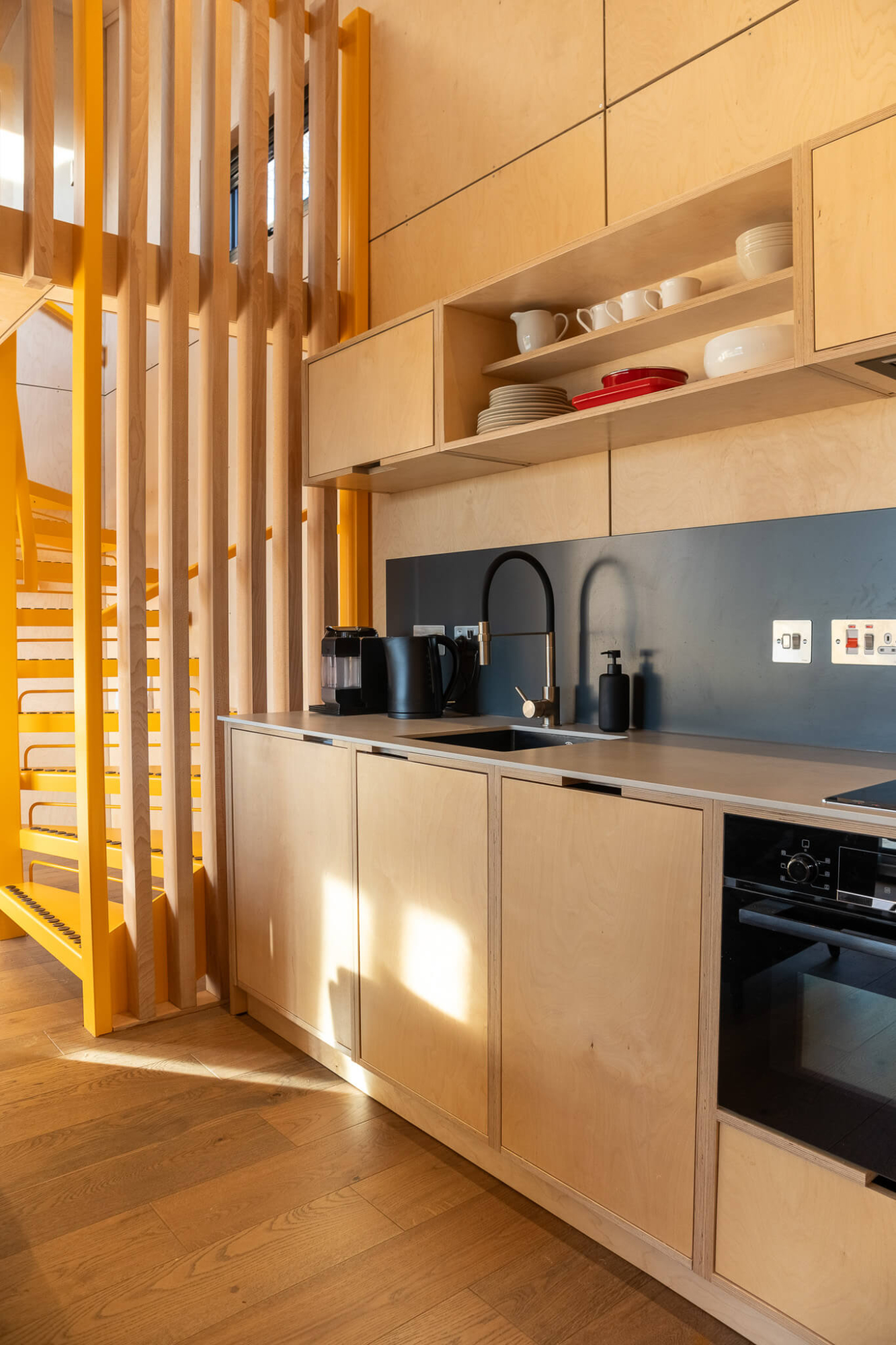
ADU featuring Kitchen

What Outbuildings Do NOT Require a Permit in California?

Not every backyard structure is considered an ADU. Some small accessory outbuildings may be built without a building permit, as long as they meet strict conditions.

Small Structures Under 120 Square Feet

In many California jurisdictions, one-story detached structures under 120 square feet may not require a building permit if they are used only for:

– Storage sheds

– Garden tool sheds

– Playhouses

Non-habitable accessory structures

No Utilities

Outbuildings typically do not qualify for permit exemptions if they include:

– Plumbing

– Heating or cooling systems

Adding utilities usually triggers a permit requirement, regardless of size.

Non-Habitable Use Only

Structures that are not used for living, sleeping, or working may avoid permits.
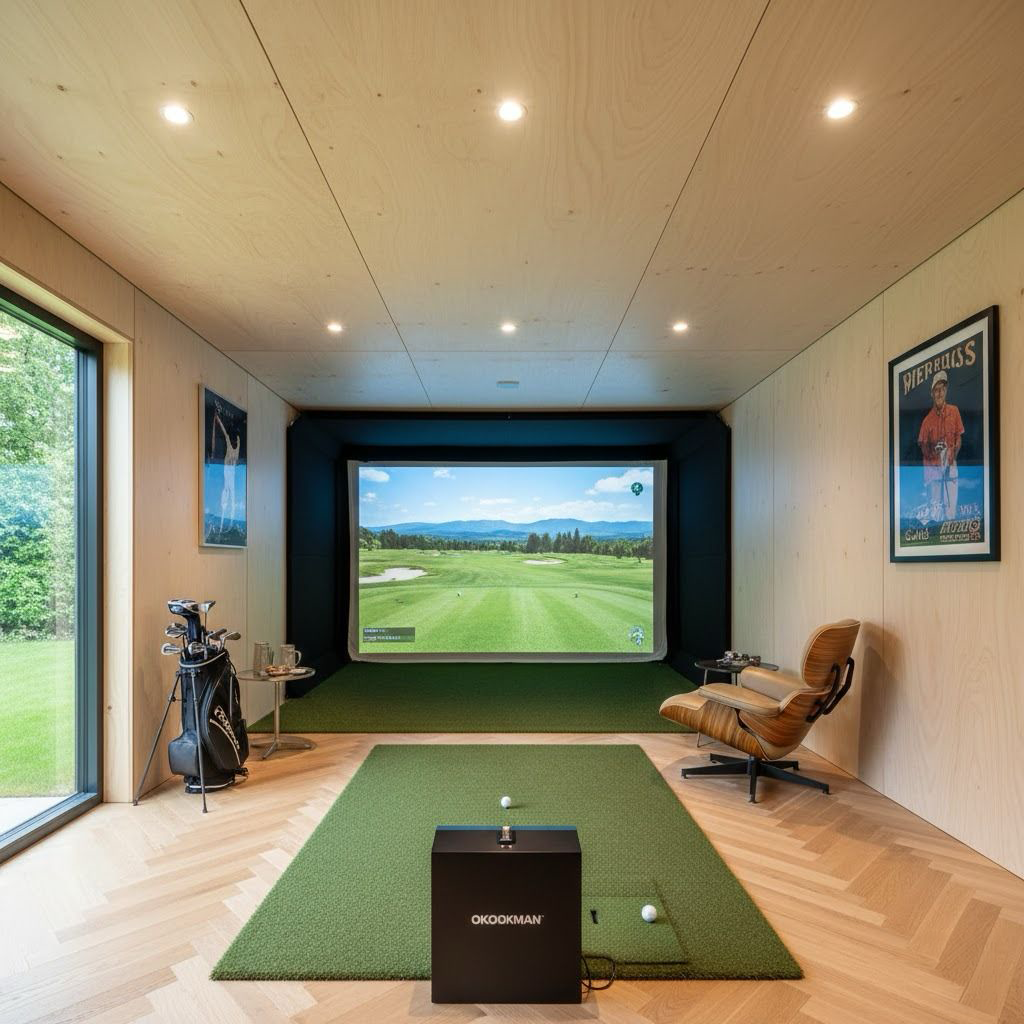
Once a building is used as an office, gym, studio, or bedroom, it is often reclassified as habitable space and requires approval.

Local Rules Still Apply

Even when a building permit is not required, you may still need to comply with:

– Zoning rules

– Setbacks

– HOA guidelines

– Fire or coastal regulations

Some cities require permits for all new structures, regardless of size.
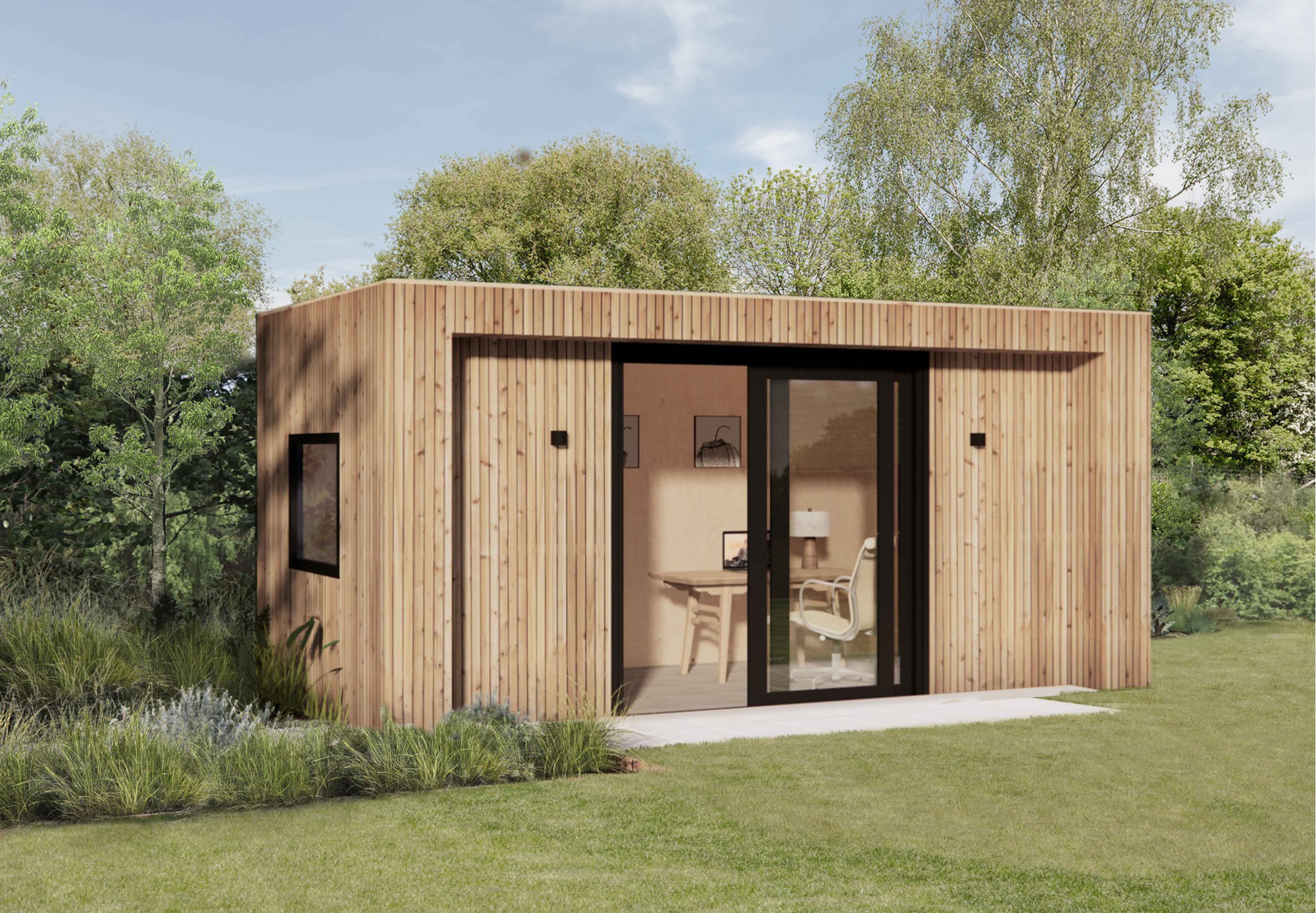
See Our Pods That DO NOT Require Permits

ADU Permits Explained - What do I need to understand before building an ADU in my backyard?

How to Get Started Before Building

Check Local Rules
Visit your city or county Planning or Building Department website. The California Housing and Community Development (HCD) site is also a useful reference. Or get our team to help with the process to give you confidence in your build.

Confirm Permit Requirements Early
Never assume a structure is permit-exempt based on size alone.

Work With Professionals
An experienced ADU designer or builder can help confirm zoning compliance, prepare permit drawings, and streamline approvals.

Final Thoughts

If you are building an Accessory Dwelling Unit in California, a permit is always required. Small, non-habitable outbuildings may be exempt, but only under specific conditions and subject to local rules.

Understanding the difference between an ADU and a simple accessory structure can save time and cost. When in doubt, checking with your local authority before starting construction is always the safest approach.

At OKOPOD our expert team will guide you through the process including submitting permits. TALK TO THE TEAM.

It looks like you're using an outdated browser. Please upgrade your browser for the best experience.