Return to Press

How to Design the Perfect Creative Studio in Your Garden

For artists, designers, writers, and creatives of all kinds, having a private and inspiring workspace can transform the way you work. More and more people are choosing to build an art studio garden room as a dedicated place for focus, experimentation, and calm.Whether you are painting, illustrating, sculpting, or simply need a peaceful corner to think and create, here is how to design a garden studio that supports your creativity and reflects your personality.Designing the perfect creative studio in your garden requires careful planning. From layout to lighting, a well-planned garden studio can become an inspiring workspace or creative hub.
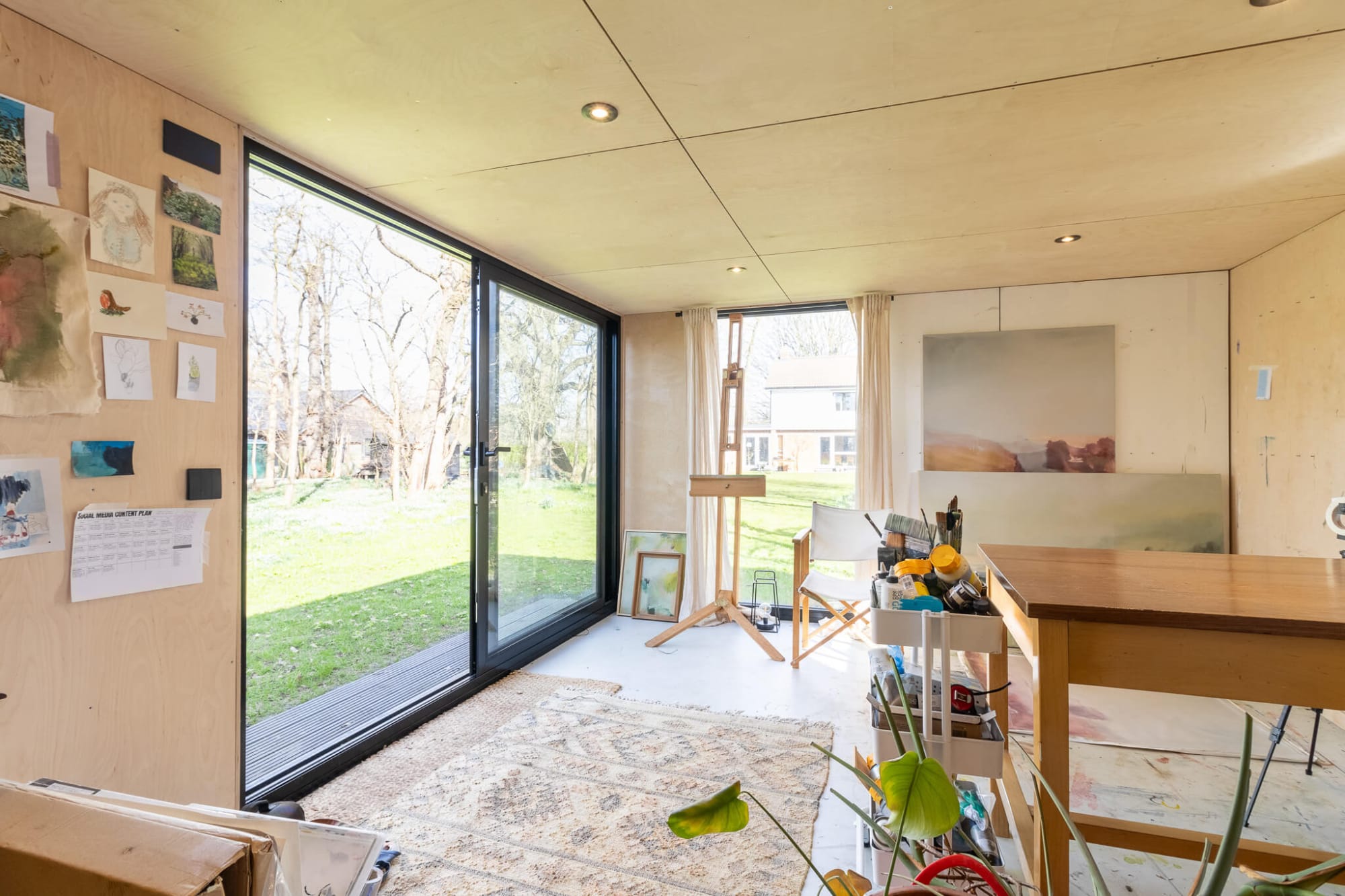
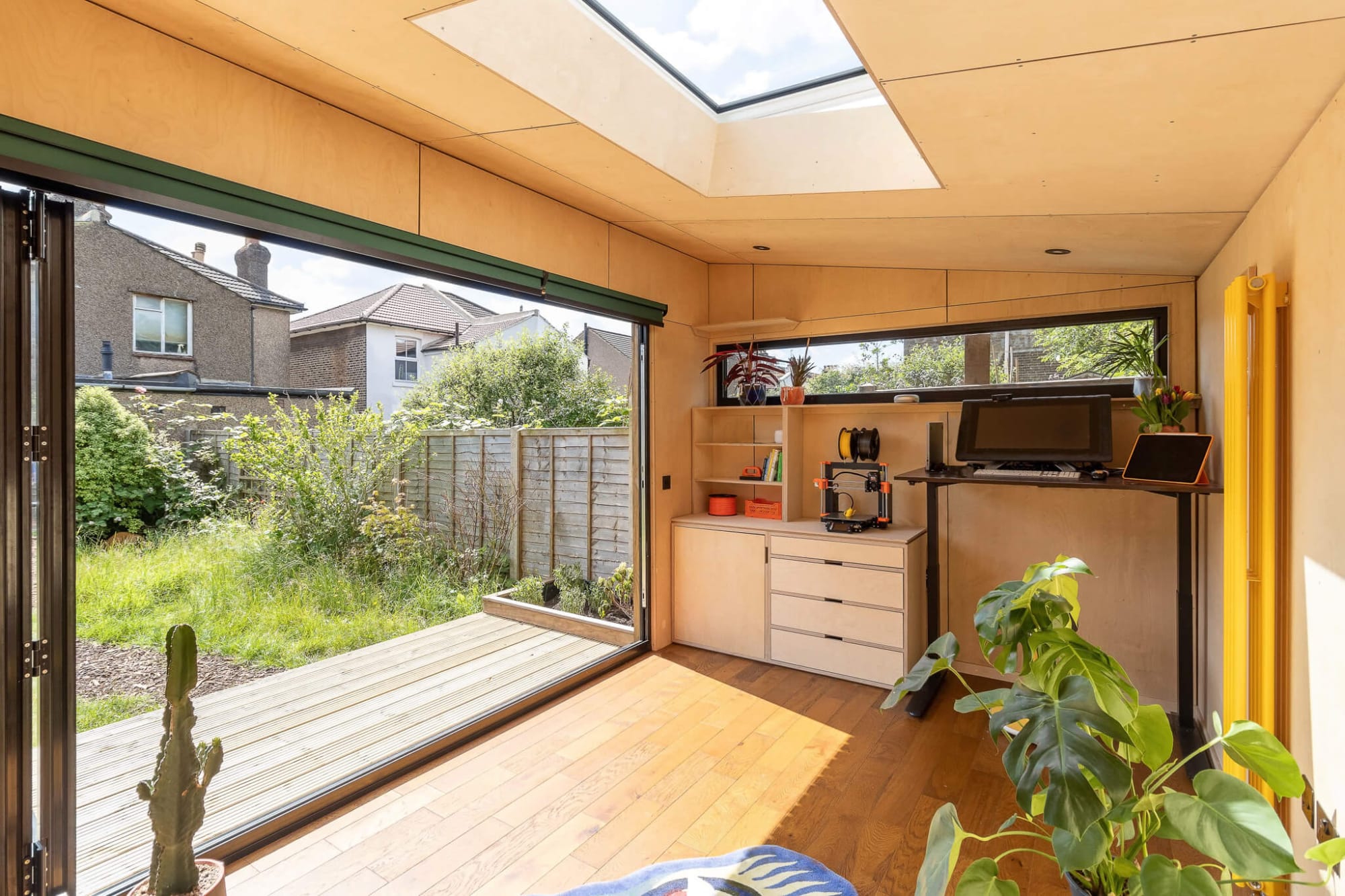
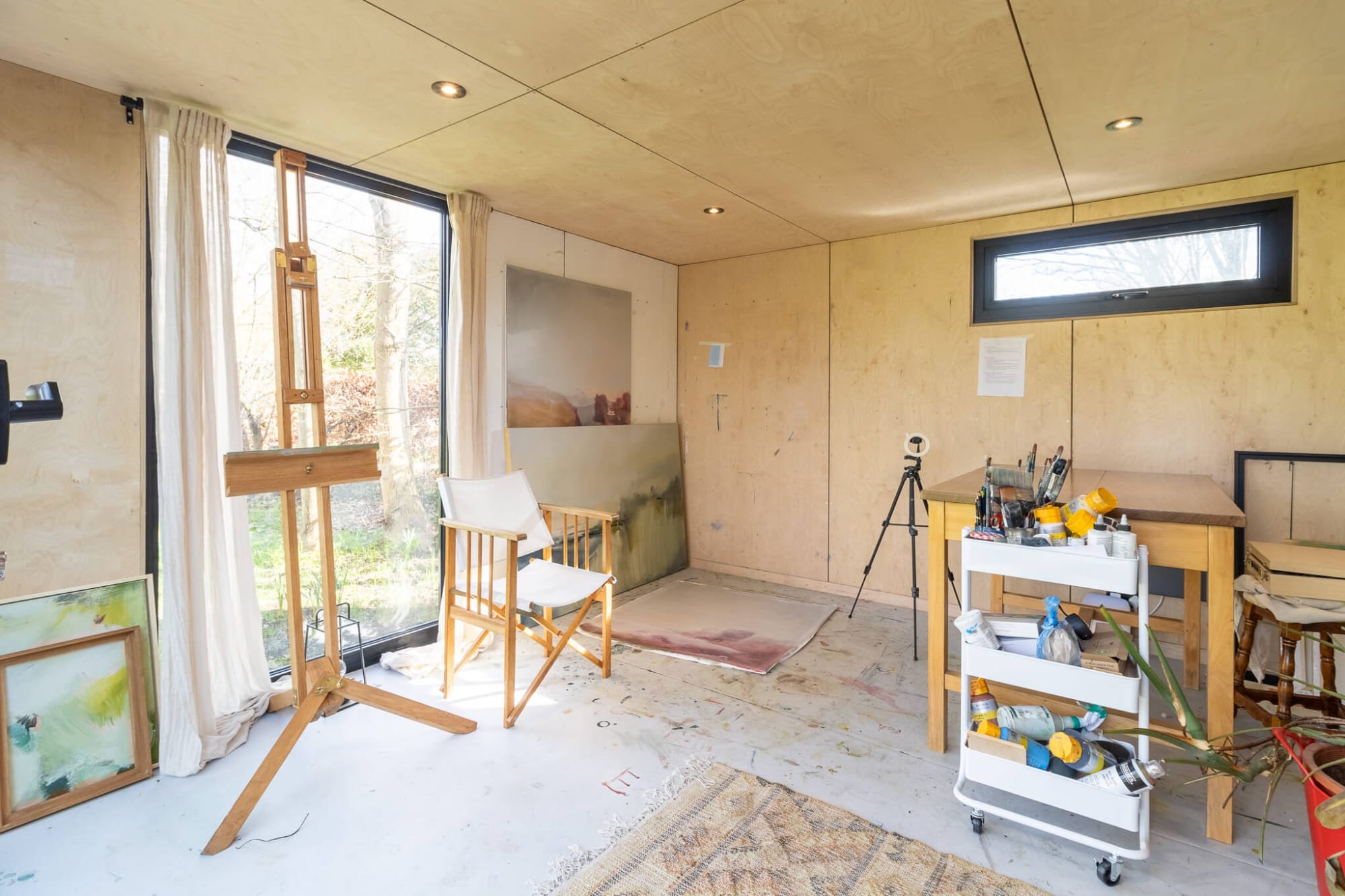
Wide interior view showing the artist's easel, supply cart, and plywood walls inside the Garden Artist Studio UK.

1. Define Your Purpose for a Creative Studio in Your Garden

Every great creative space starts with clarity. Decide how you want to use your studio. Will it function as an art studio garden room for painting or drawing? Will it also serve as a reading nook or a space to relax between projects? Having a clear purpose helps guide the design process from layout to lighting.

2. Choose the Right Position in the Garden

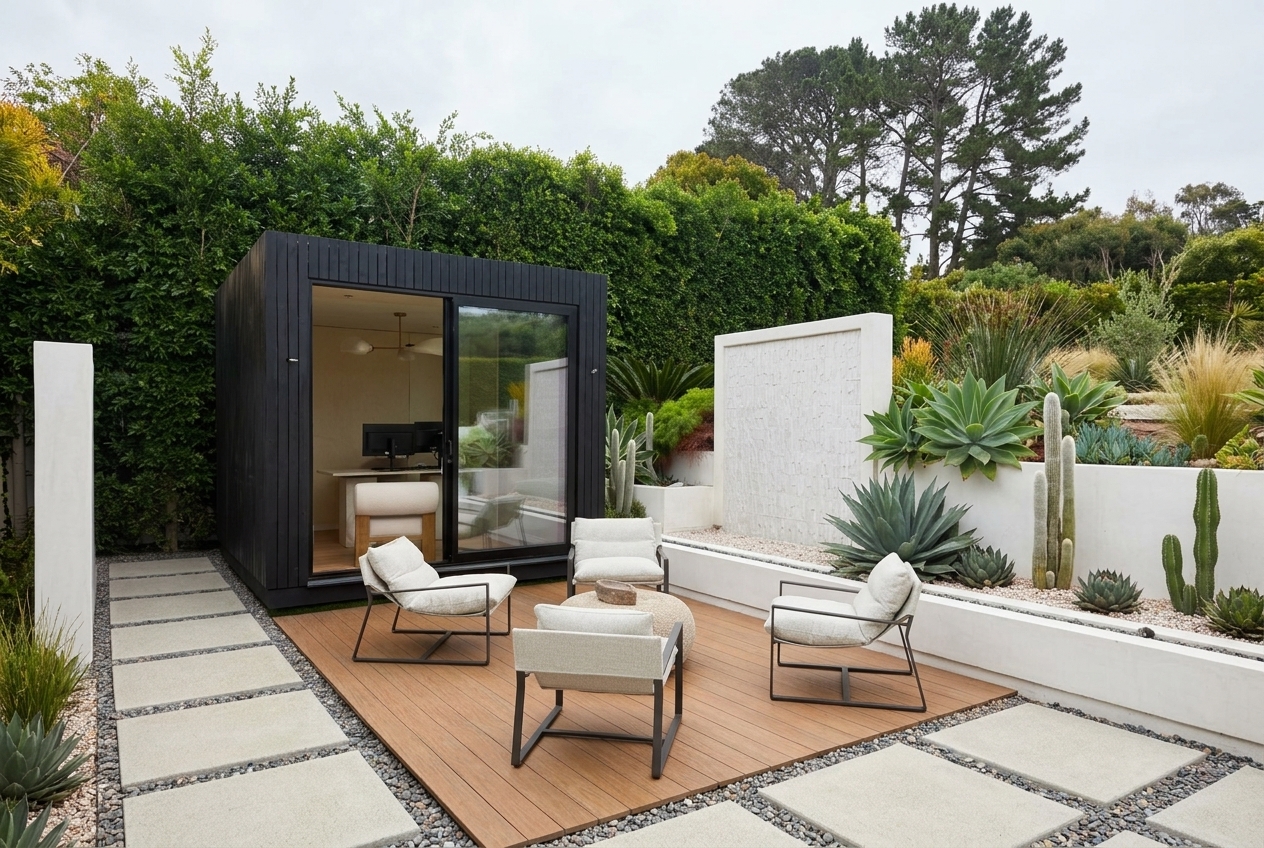
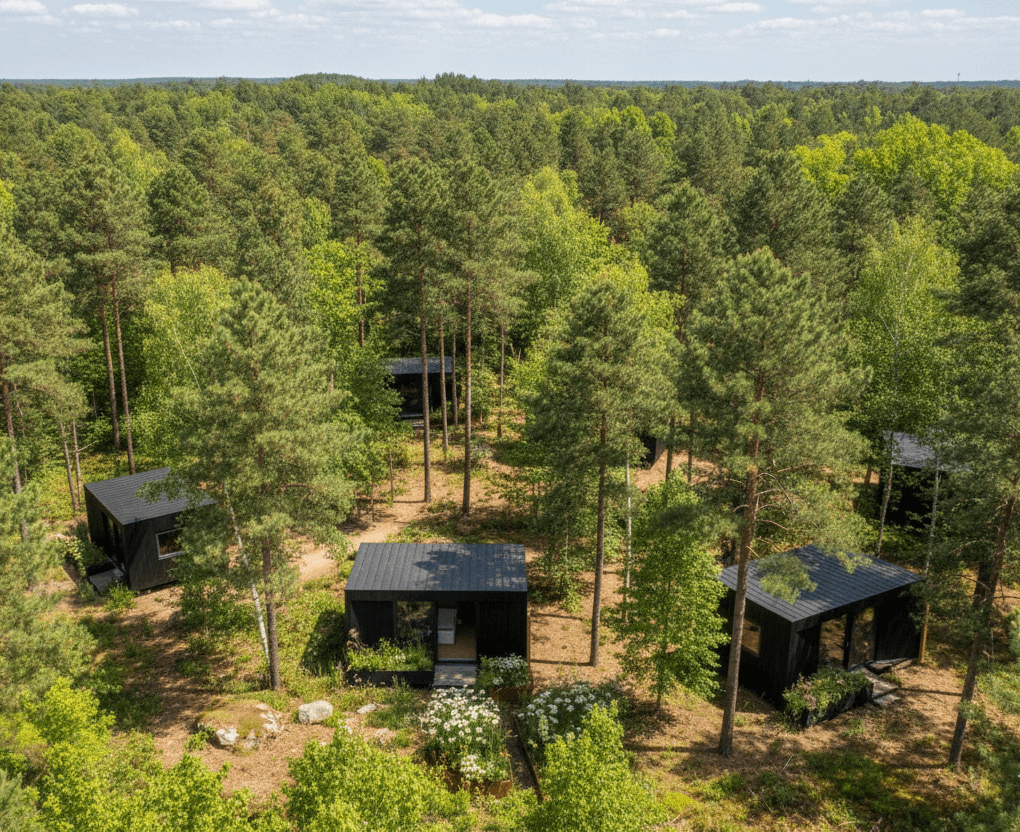
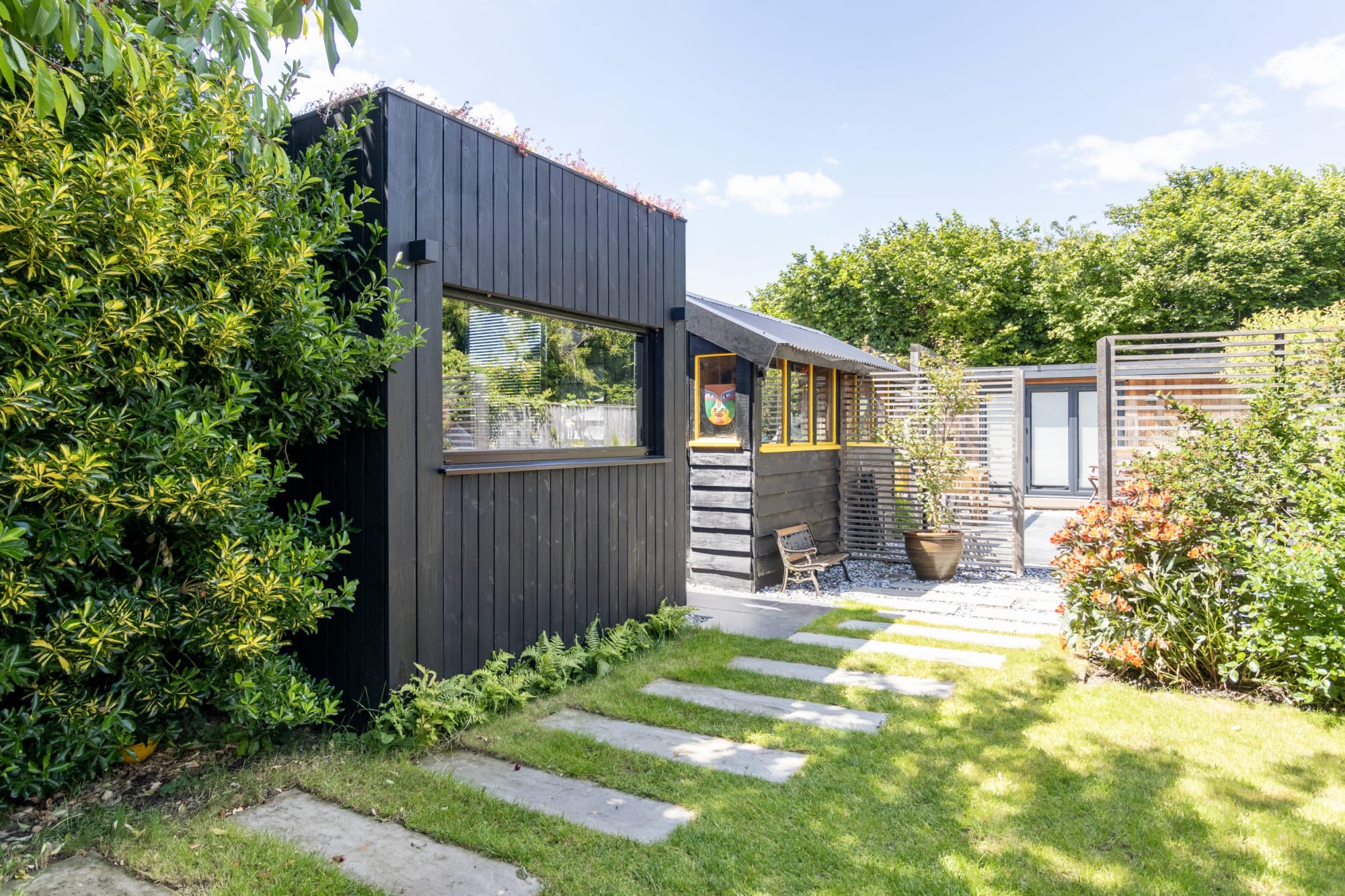
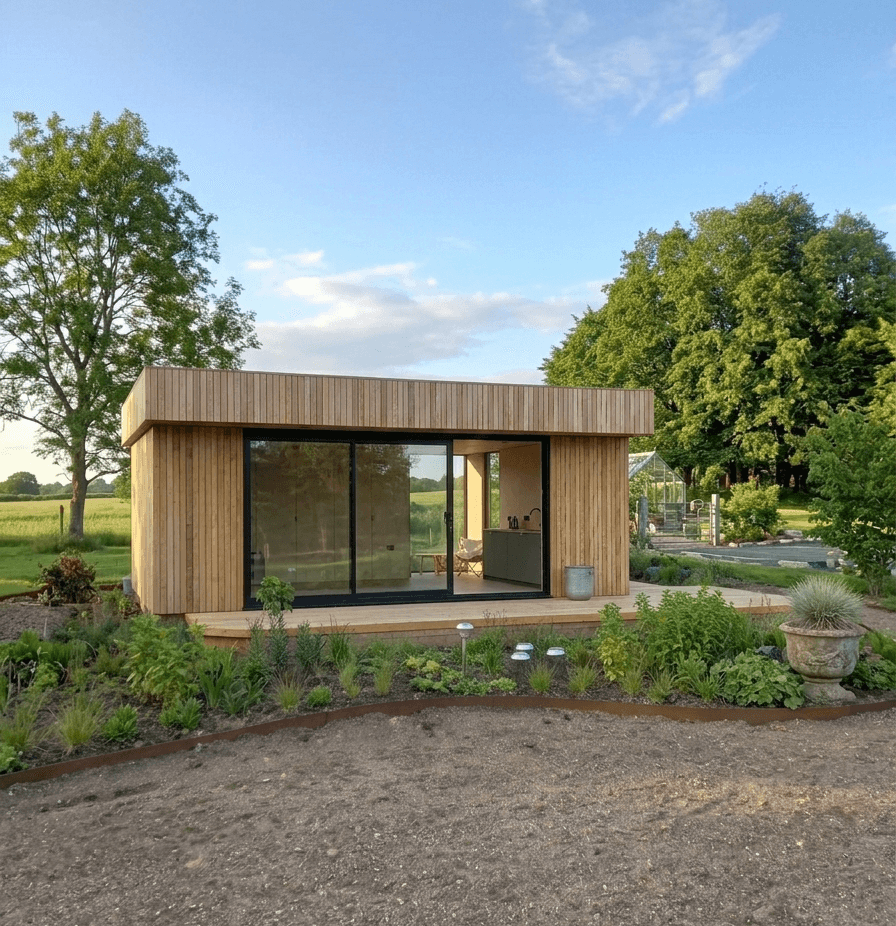
The placement of your studio can influence everything from light quality to your ability to concentrate. Aim for a spot in your garden that offers privacy and a quiet atmosphere. If possible, position the studio so that it overlooks plants, trees, or open sky. A visual connection to nature can improve focus and lift your mood.
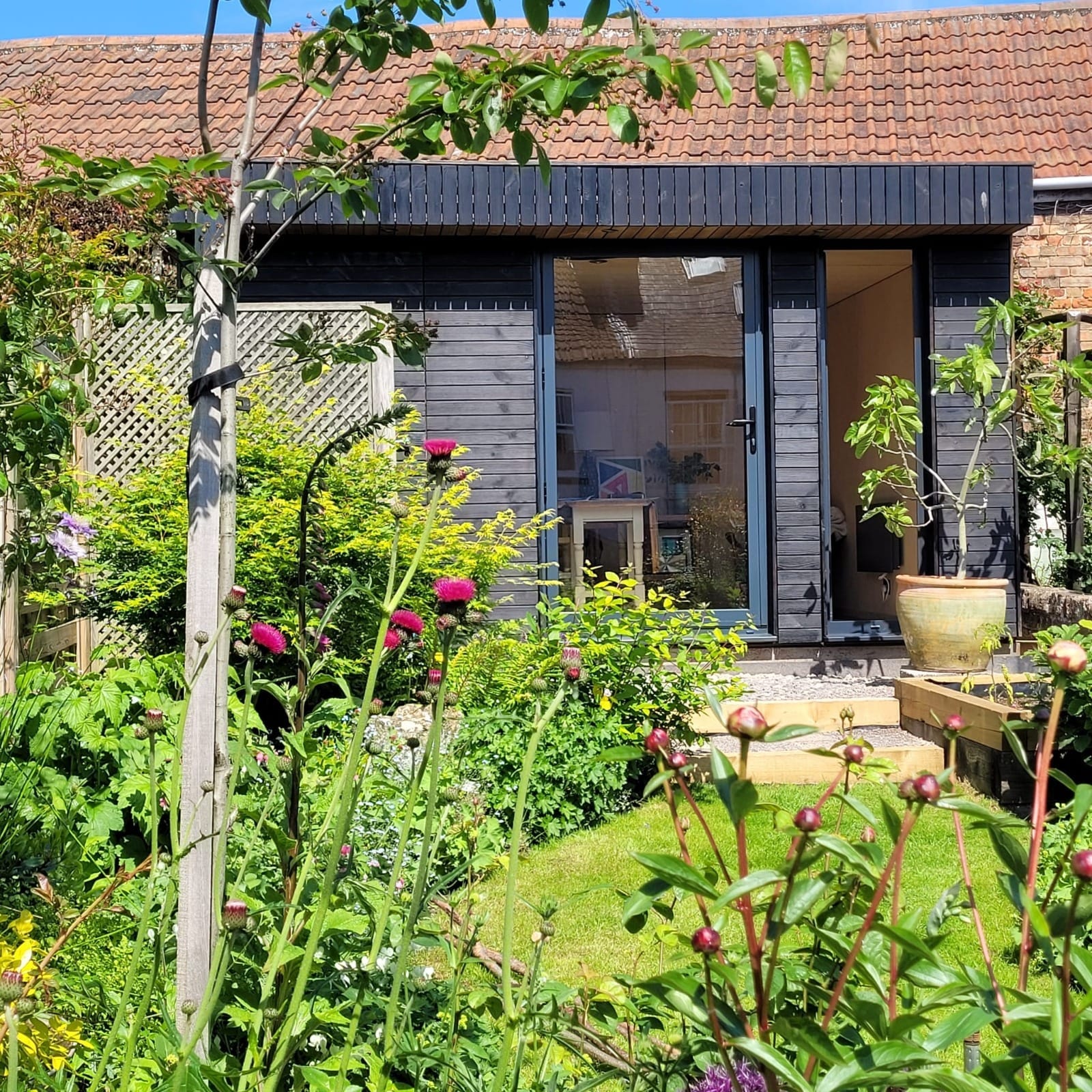
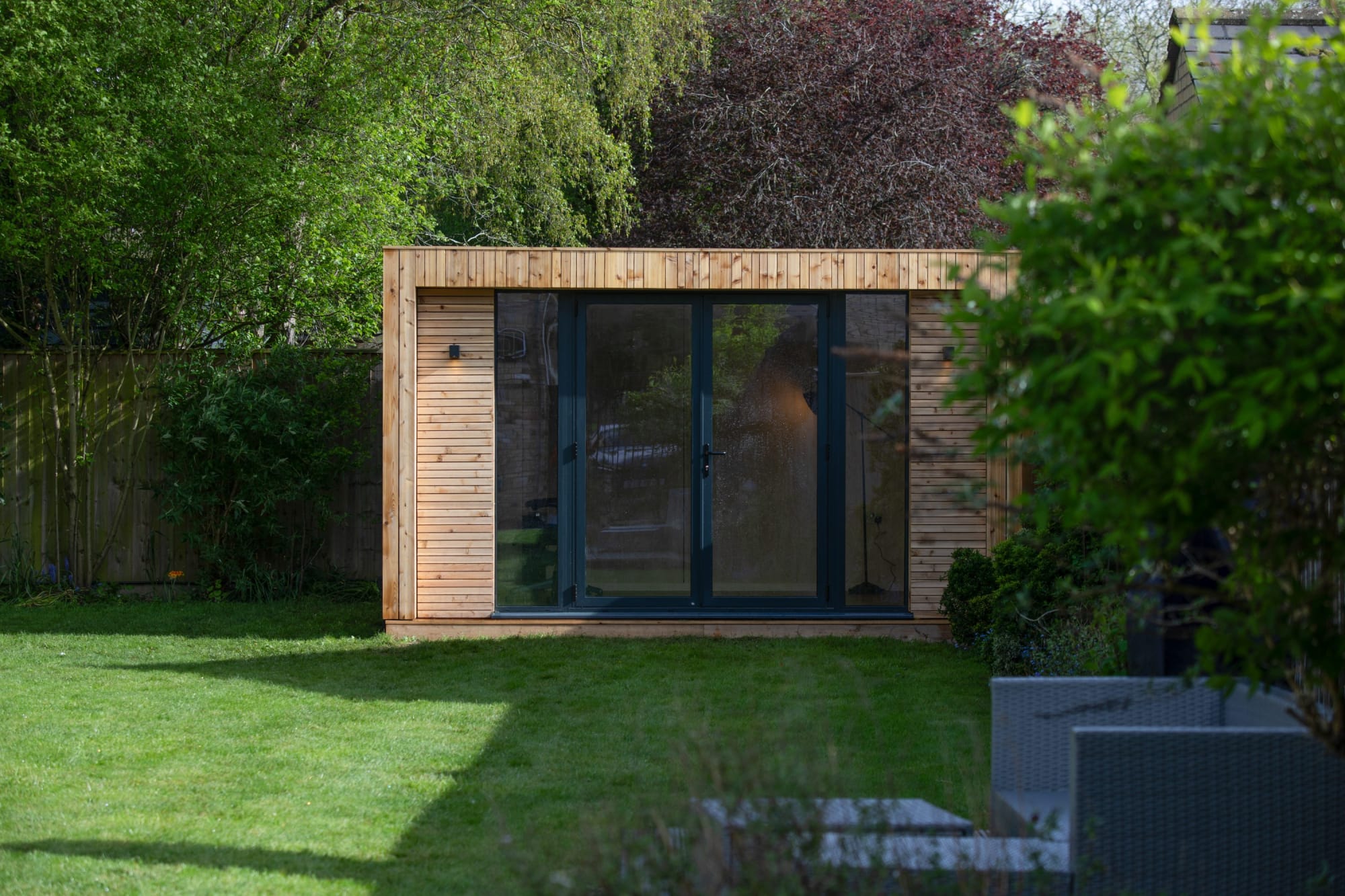
Exterior view of a garden creative studio designed for inspiration

3. Maximising Natural Light in Your Garden Creative Studio

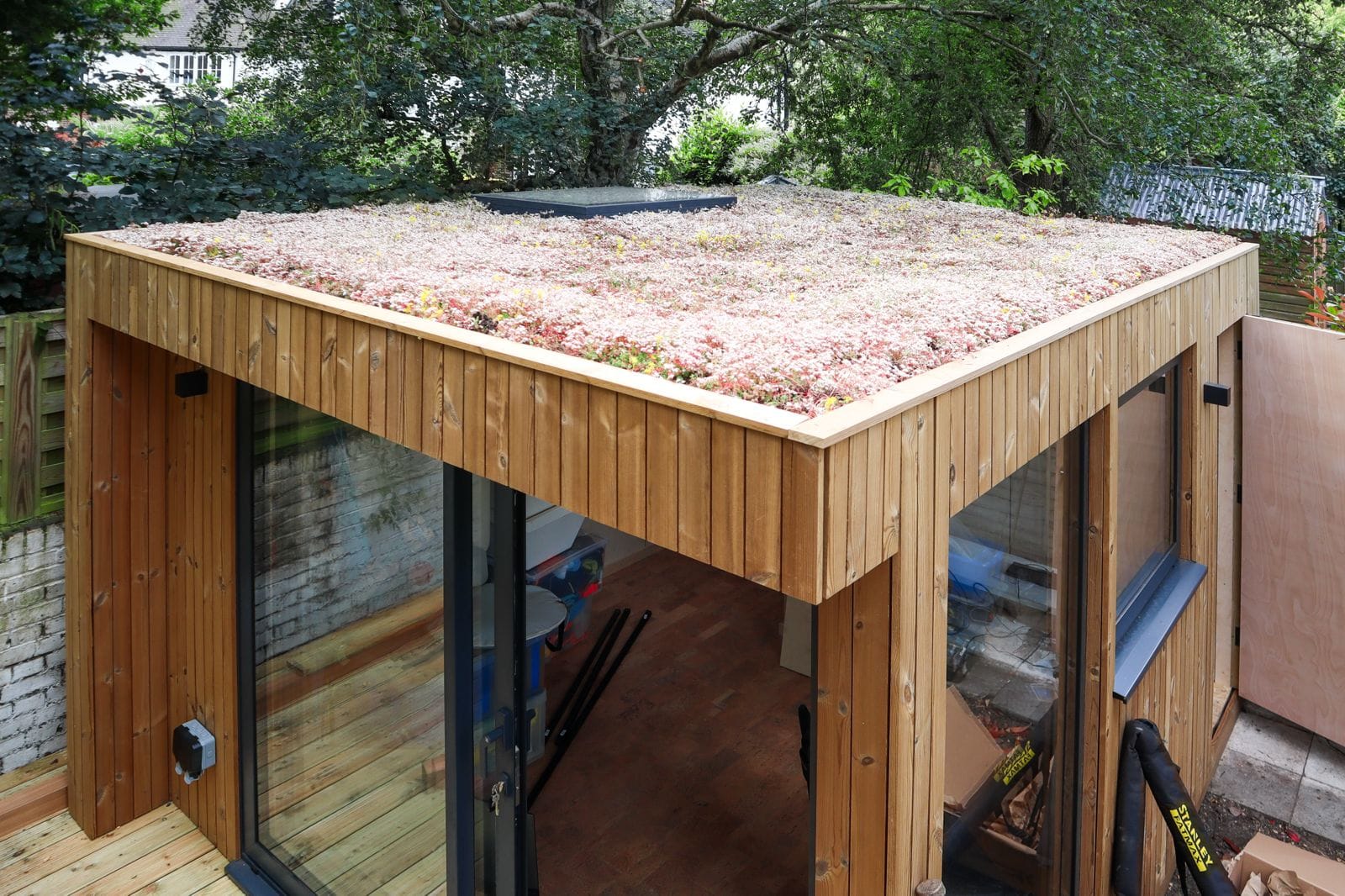
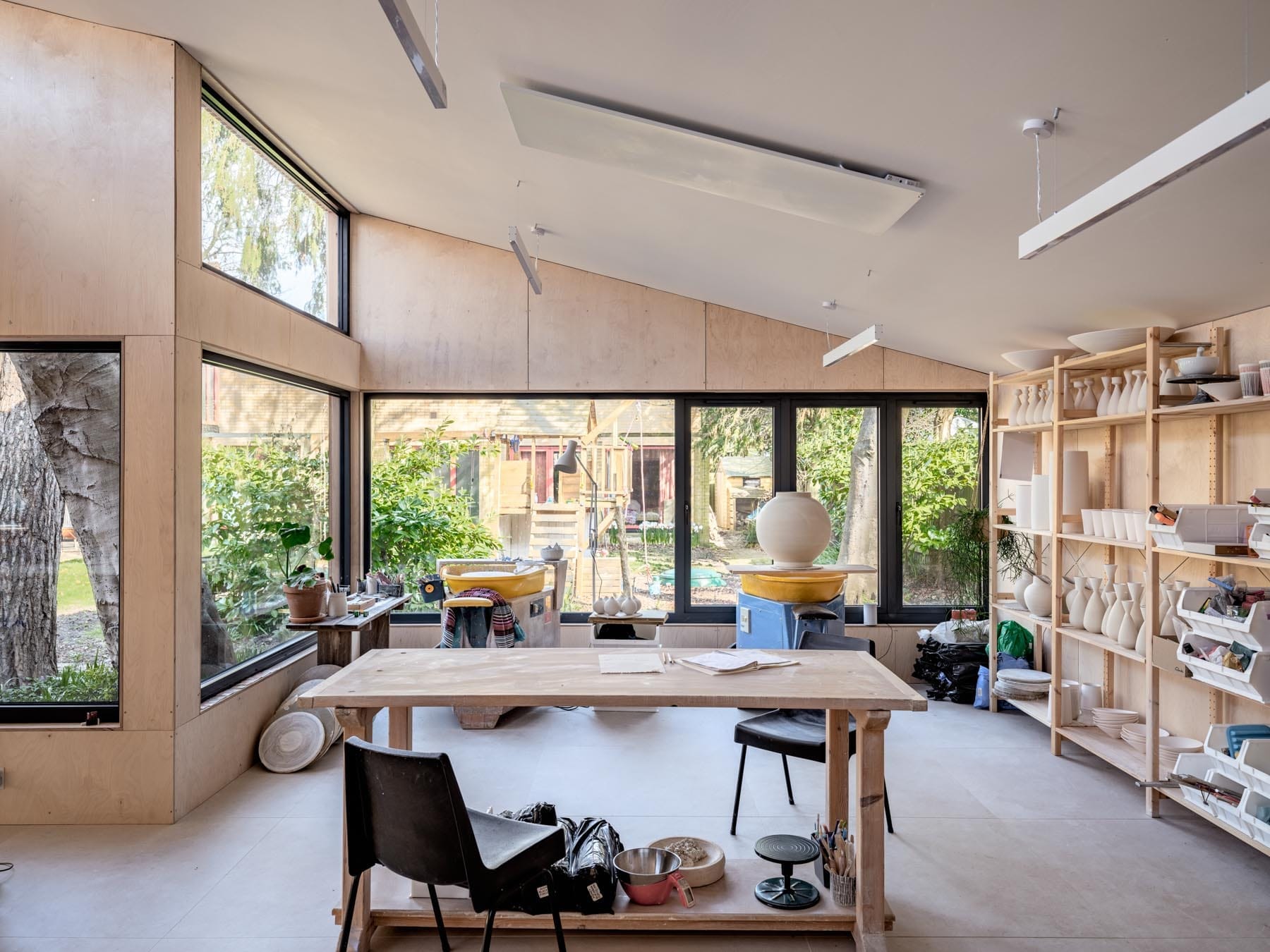
A well-lit space is essential for most creative work. Use large windows, glass doors, or a skylight to invite natural light into the room. This will not only enhance visibility but also create a more pleasant environment to spend time in. North-facing windows often provide the most consistent and balanced light throughout the day.

4. Choosing Materials for a Durable Garden Creative Studio

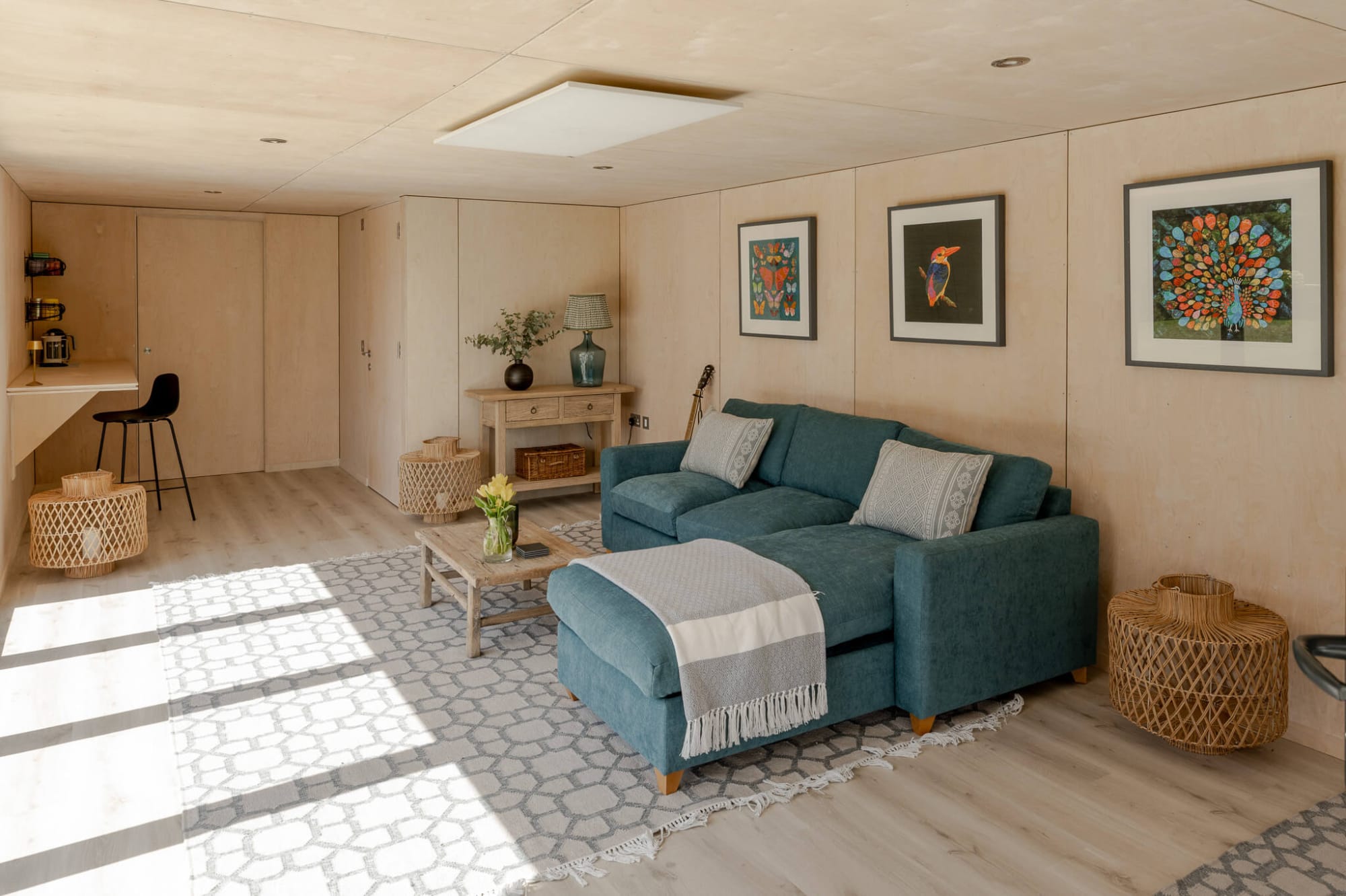
The atmosphere of your studio plays a big role in how you feel while working. Materials such as timber cladding, birch plywood, and hardwood flooring create a warm and welcoming environment. Natural surfaces help soften the space and can support a calm and focused mindset.

5. Include Practical Storage Solutions

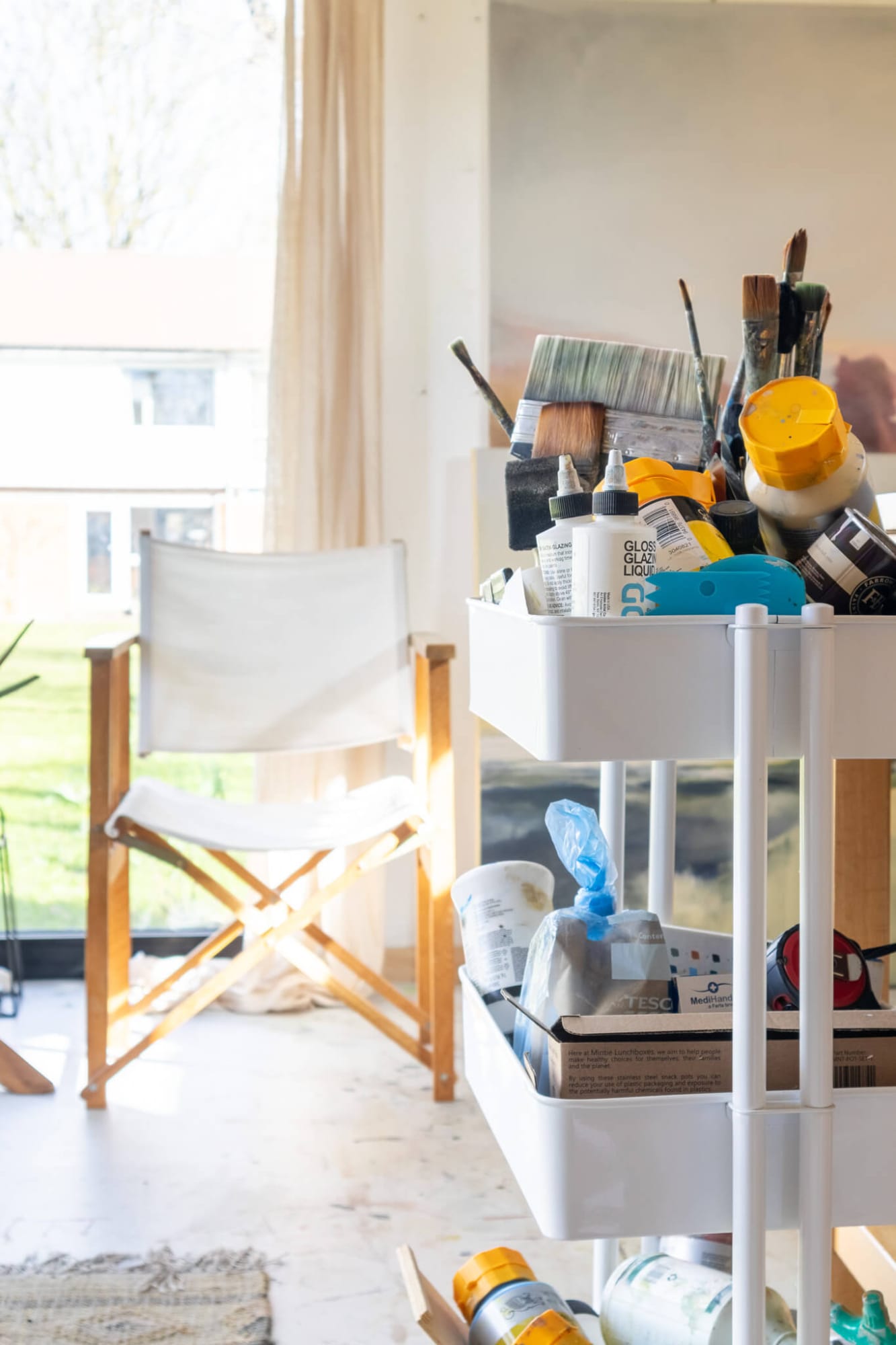
From paints and brushes to sketchbooks and equipment, creative work usually involves a variety of tools and materials. Plan for shelves, drawers, or built-in storage so that everything has a place. A tidy and organised studio not only looks better but also allows for more efficient and enjoyable work sessions.

nterior of a garden creative studio with desk, storage, and natural lighting

6. Layout & Workflow Tips for Your Garden Creative Studio

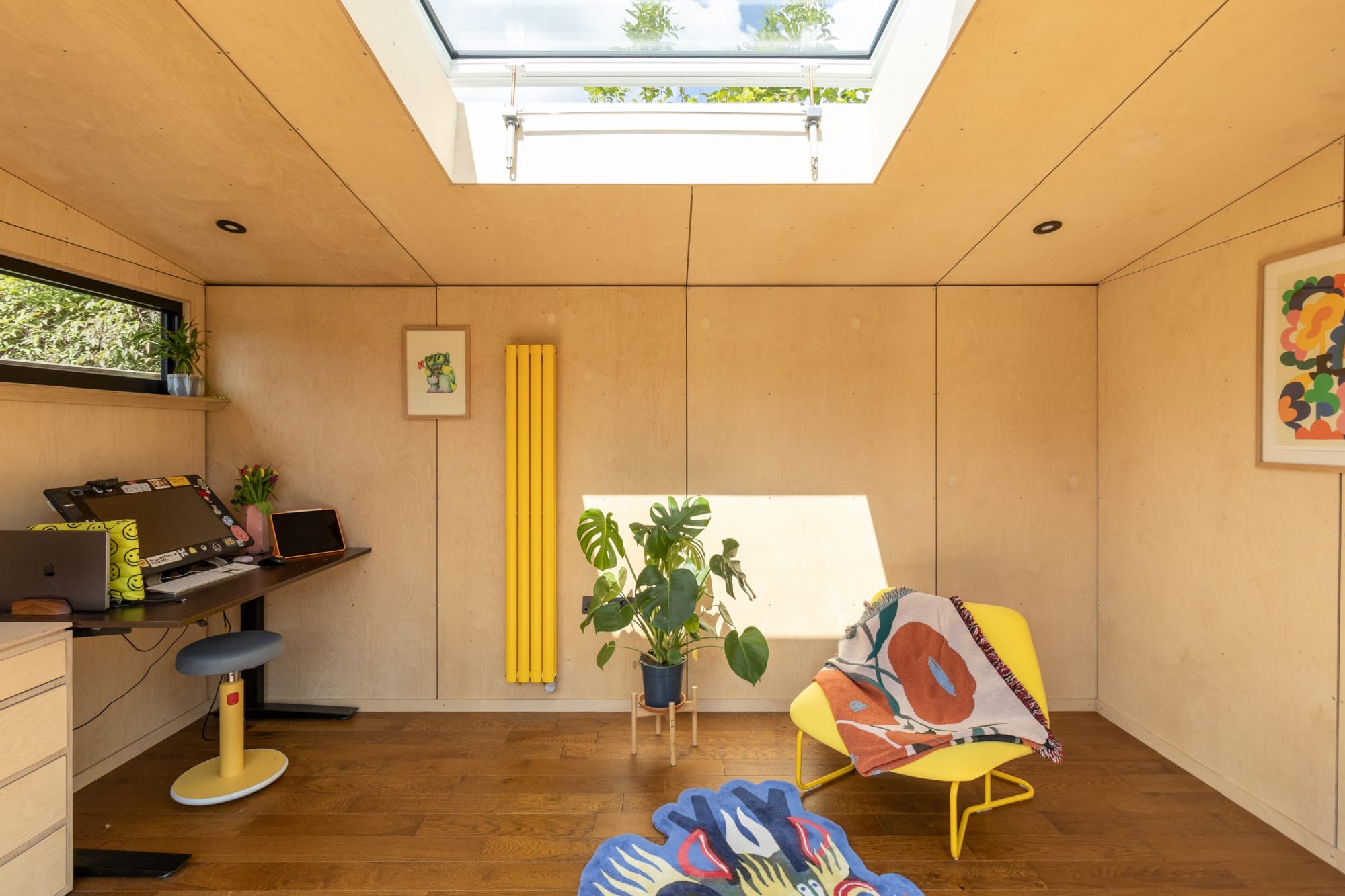
If your creative process includes both focused work and periods of rest or reflection, it helps to organise the space into different zones. One area might be set up with a desk or workbench, while another might include a comfortable chair or reading corner. This makes it easier to shift between different types of activities without distraction.

7. Add Personal Touches

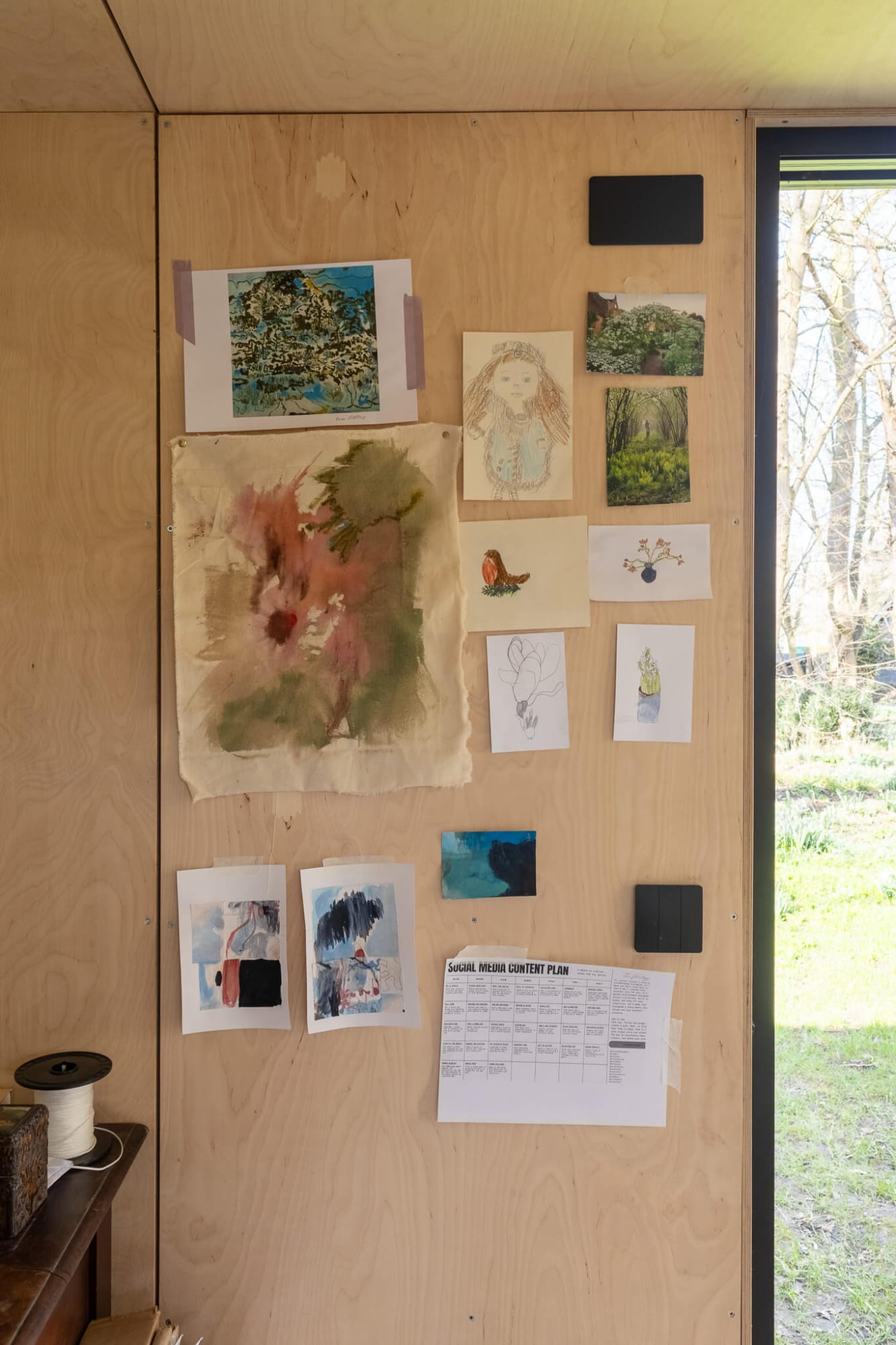
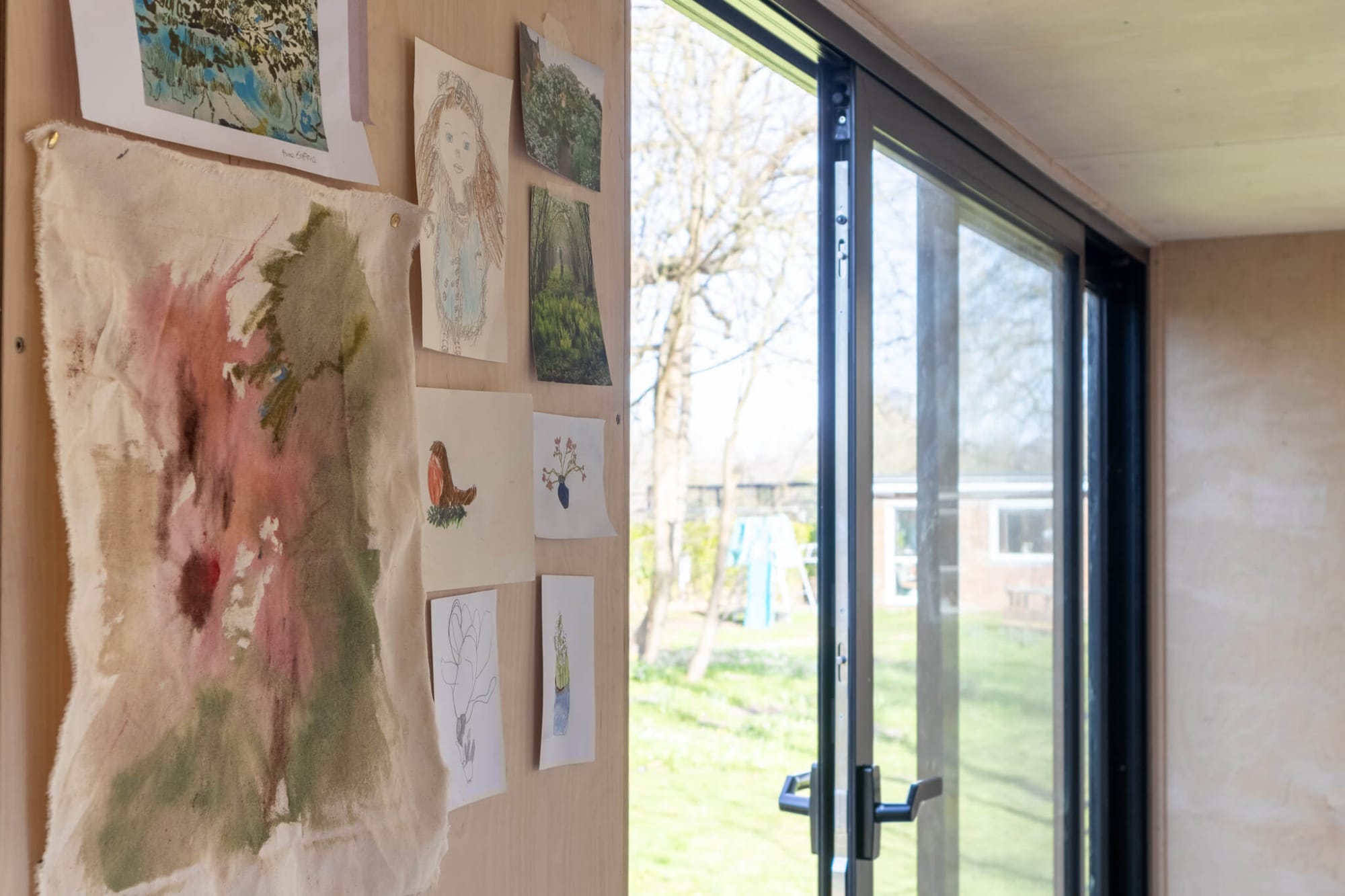
An art studio should feel like your own space. Include design details such as a corkboard for sketches or ideas, a bookshelf filled with reference materials, or a favourite piece of artwork can make the space feel more inspiring and personal. These thoughtful details help the studio feel like an extension of who you are as a creator.

8. Work with a Specialist Studio Builder

Design-focused builders who specialise in garden studios can offer solutions tailored to your site and vision. Even gardens with limited access or tight dimensions can often accommodate a thoughtfully designed studio. Choosing a builder who understands both the creative process and the technical requirements of outdoor structures is essential for a smooth and satisfying result.

Creative workspace setup inside a garden studio for artists and designers

Final Thoughts

Designing an art studio garden room is about creating space for focus, freedom, and imagination. With attention to layout, natural light, material choices, and personal details, your studio can become the most rewarding and productive space on your property. Whether you are a professional artist or simply someone who enjoys creative work, a garden studio offers a quiet and inspiring place to do what you love.

Studios featuring in this article belong to –

Katherina Klugg – Ceramic Artist

Katherine Leckie – Fine Artist

It looks like you're using an outdated browser. Please upgrade your browser for the best experience.