You're on our UK site

Visiting from outside the UK?

Our UK site is for UK customers. Head to our US site to see the pods and support available where you are.

Go to OKOPOD US
Return to Press

Garden Room vs Extension (2026) Cost & ROI Compared

If you are researching the best ways to extend your home in 2026, you are not alone. Across the UK, homeowners are increasingly rethinking whether a traditional brick-built extension is still the smartest option. Rising construction costs, lengthy planning processes, and disruptive building works have accelerated interest in premium garden rooms and modular pods.Rather than asking “How do I build an extension?”, many homeowners are now asking a more strategic question: Do I actually need one, or is there a better alternative? This guide explores the most effective ways to add space to your home in 2026 and explains why high-quality garden rooms are fast becoming the preferred solution.To compare costs, see our garden pod prices, and for both approaches in practice, see a Victorian home extension in London and the garden office. Download our brochure for sizes.
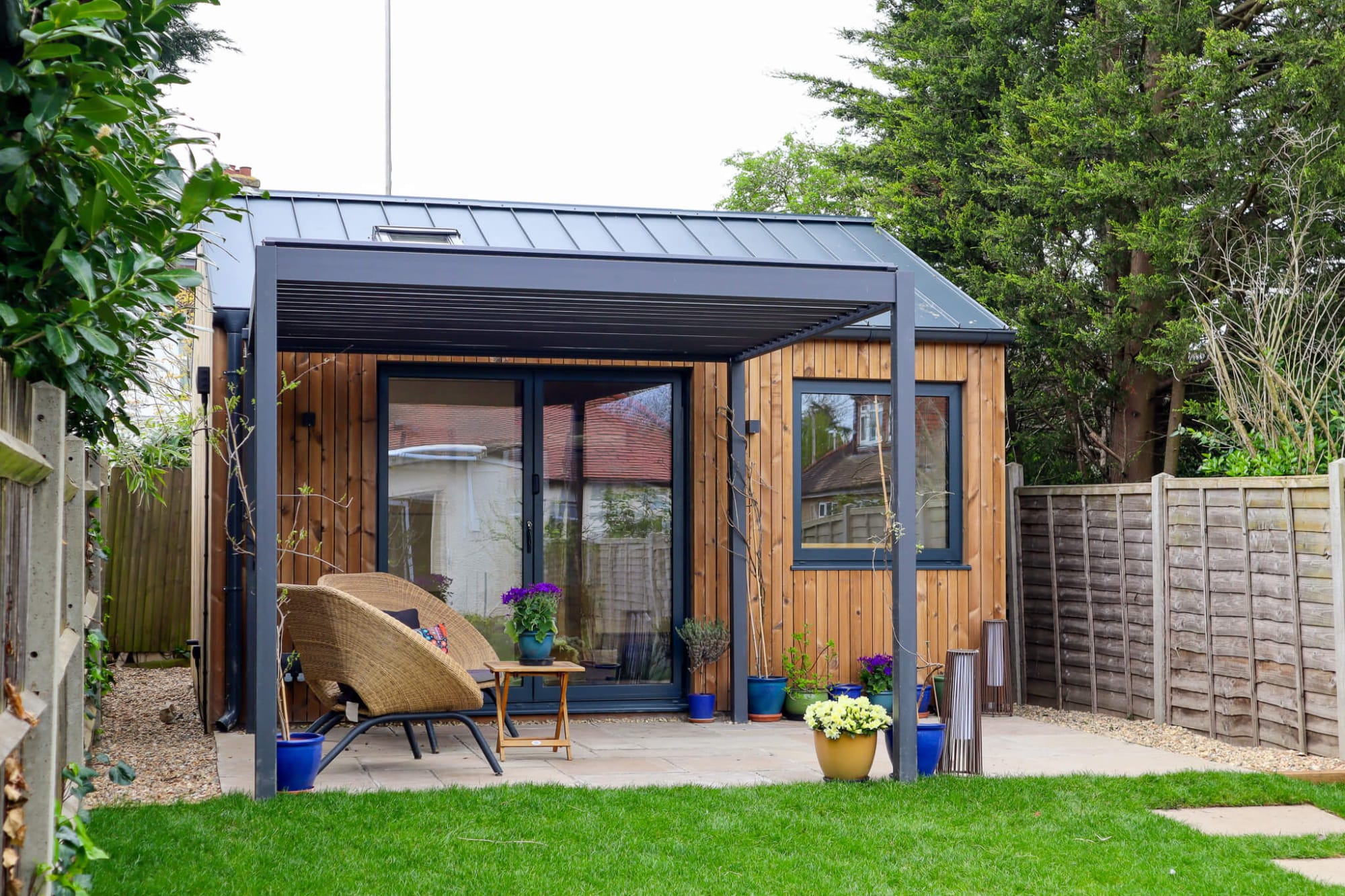
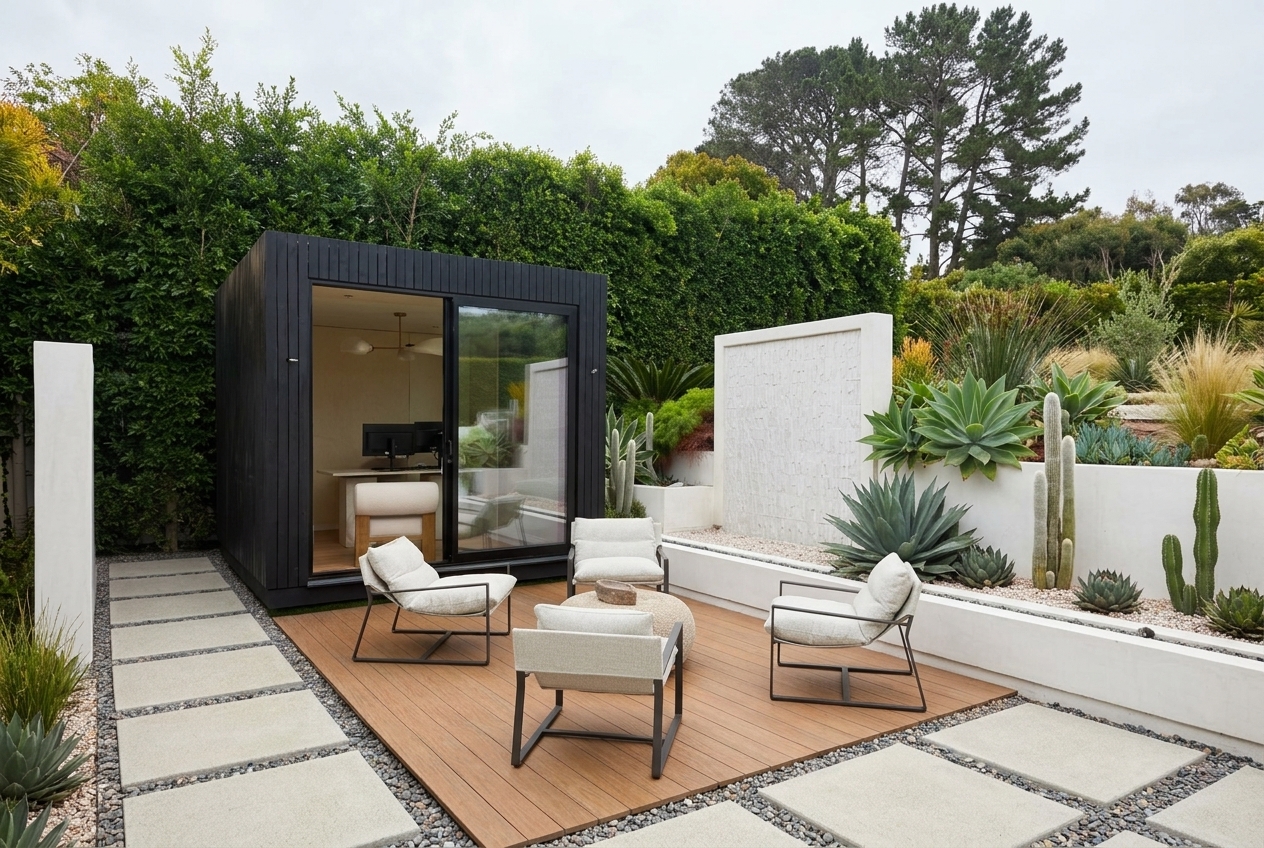
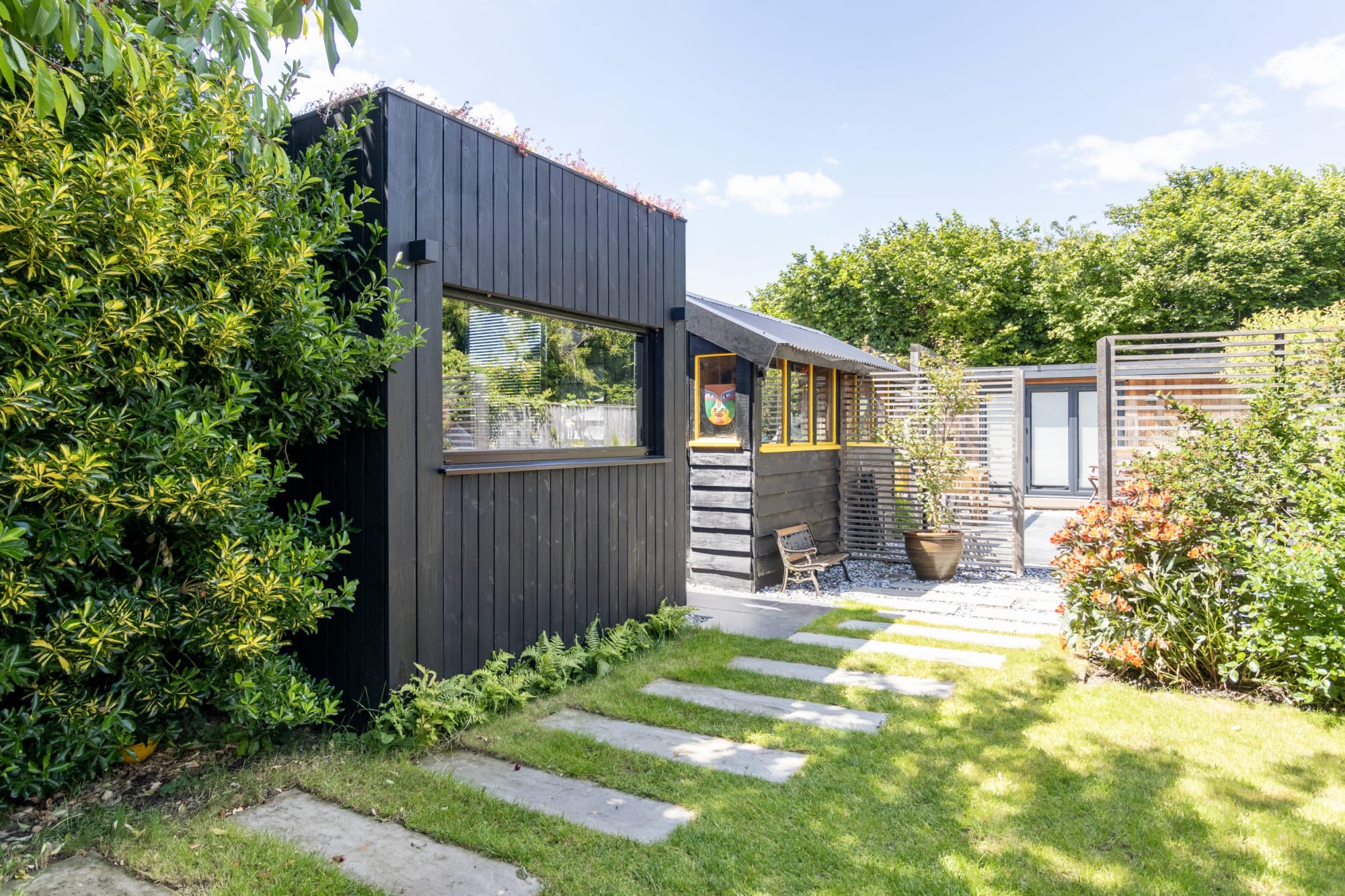
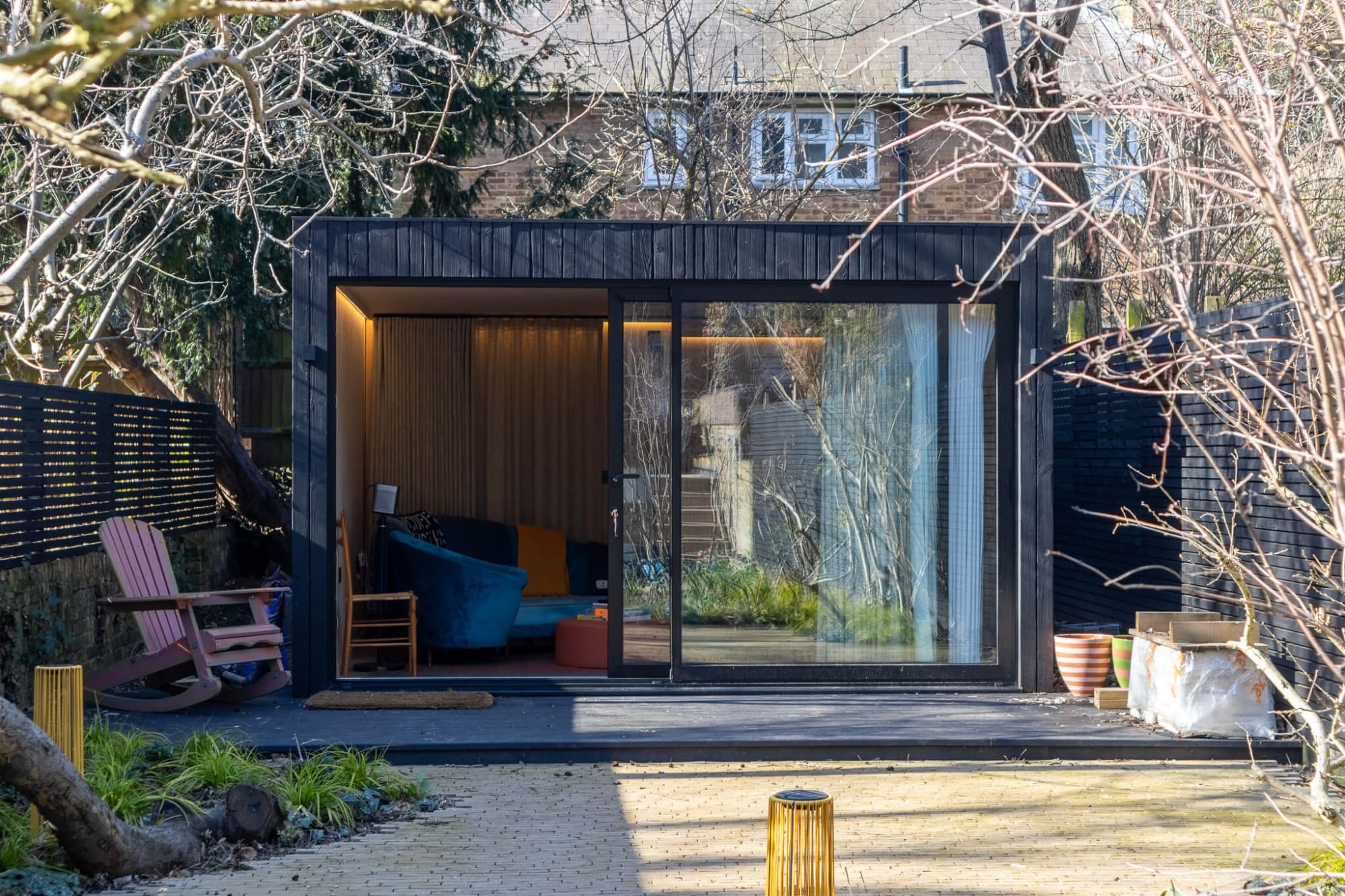
Modern garden room used as a home extension in a UK garden

Short Answer: What is the best way to extend your home in 2026?

In 2026, the best way to extend your home is often a premium garden room or modular pod. These factory-built structures install faster, cost significantly less than traditional extensions, usually avoid full planning permission, and can add between 5 and 15 percent to a property’s value when built to a high specification.

Why Garden Rooms Are Replacing Traditional Extensions

The modern garden room is no longer a basic outbuilding. In 2026, high-spec pods are designed as fully insulated, architecturally considered spaces that function just like a room inside the main house.

For homeowners in dense urban areas such as London or historic locations like Cambridge, a detached garden room offers flexibility that a rear extension cannot. It adds usable space without compromising existing layouts or garden access.

Key reasons homeowners are choosing garden rooms include:

Speed of installation
Traditional extensions often take four to six months of active construction. A premium modular pod is manufactured off-site and typically installed within days.

Minimal disruption
There is no need for extended scaffolding, internal knock-throughs, or weeks of builders moving through the home.

Cost certainty
Modular builds are usually fixed-price, removing the risk of escalating costs caused by groundworks or structural surprises.

Simpler planning routes
Many garden rooms fall under Permitted Development, allowing homeowners to avoid the delays of a full planning application.
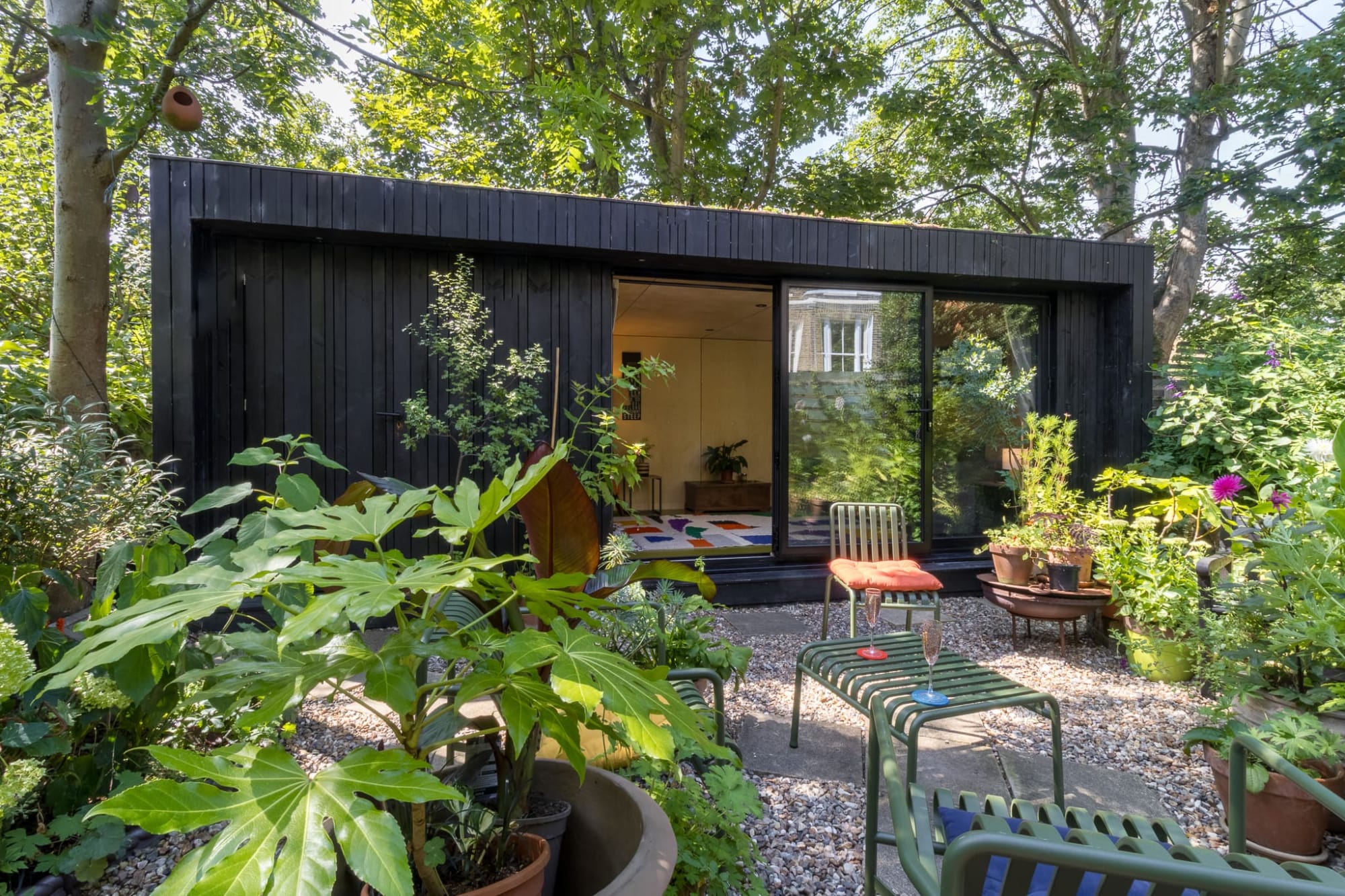
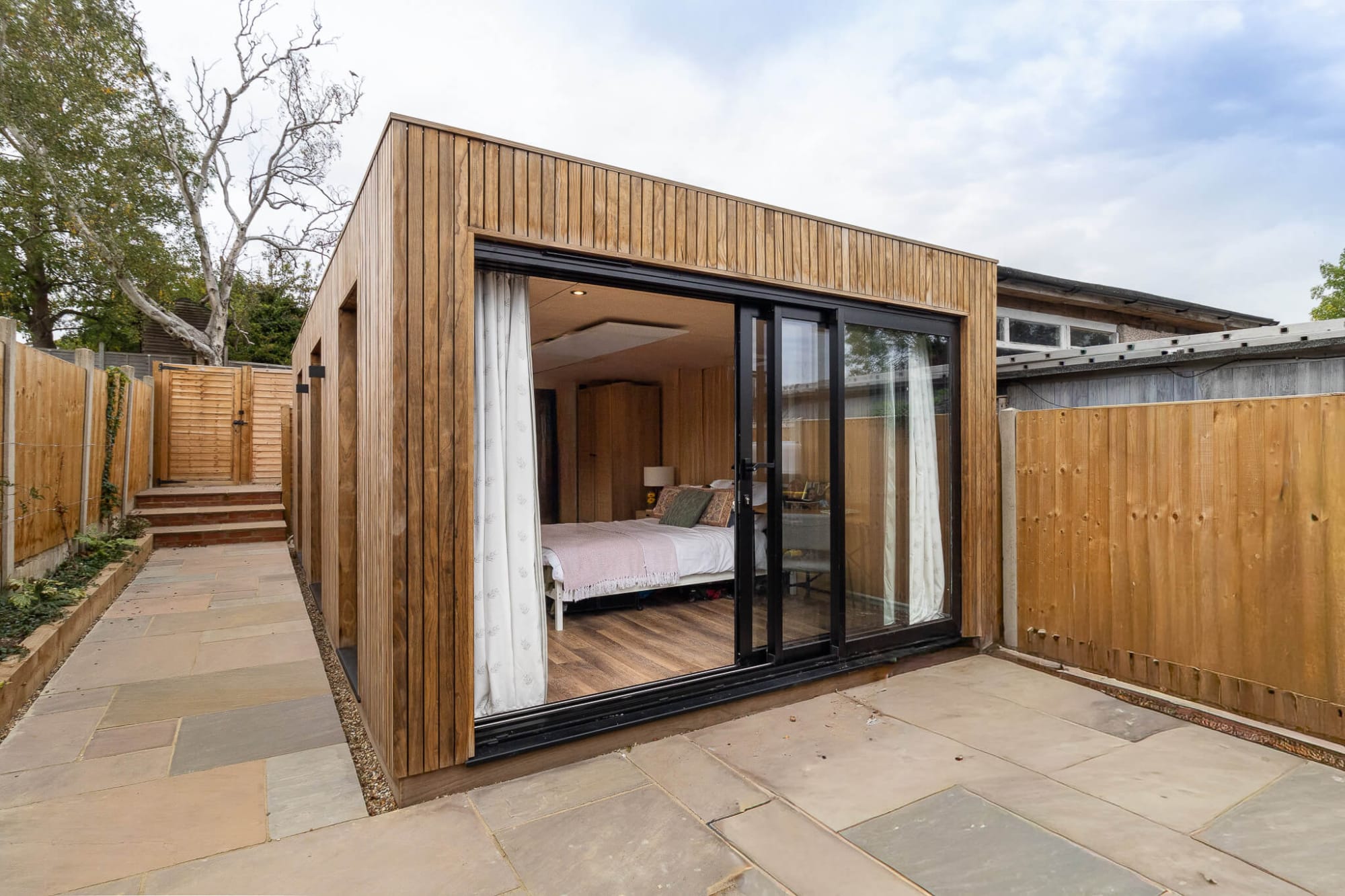
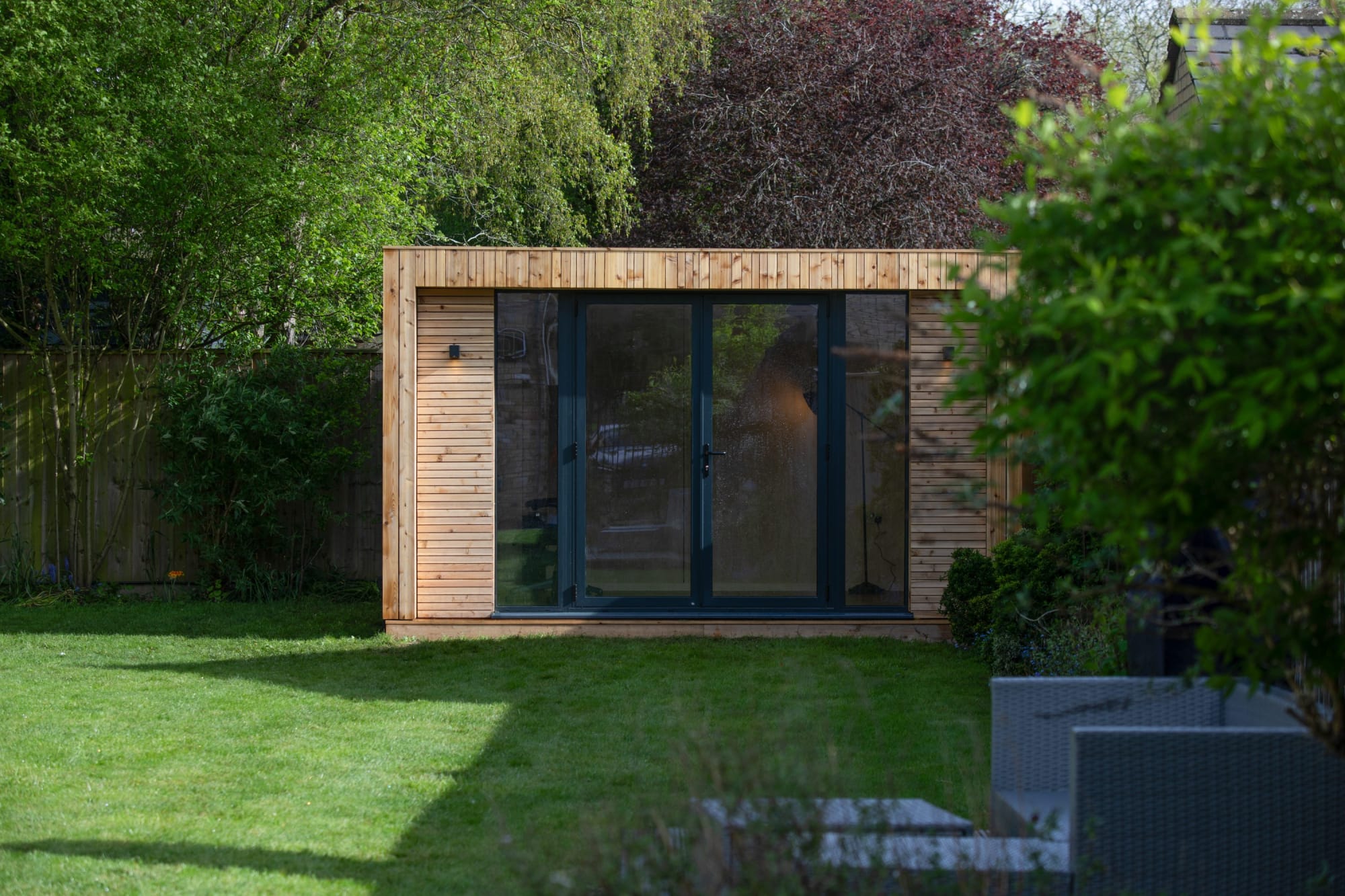
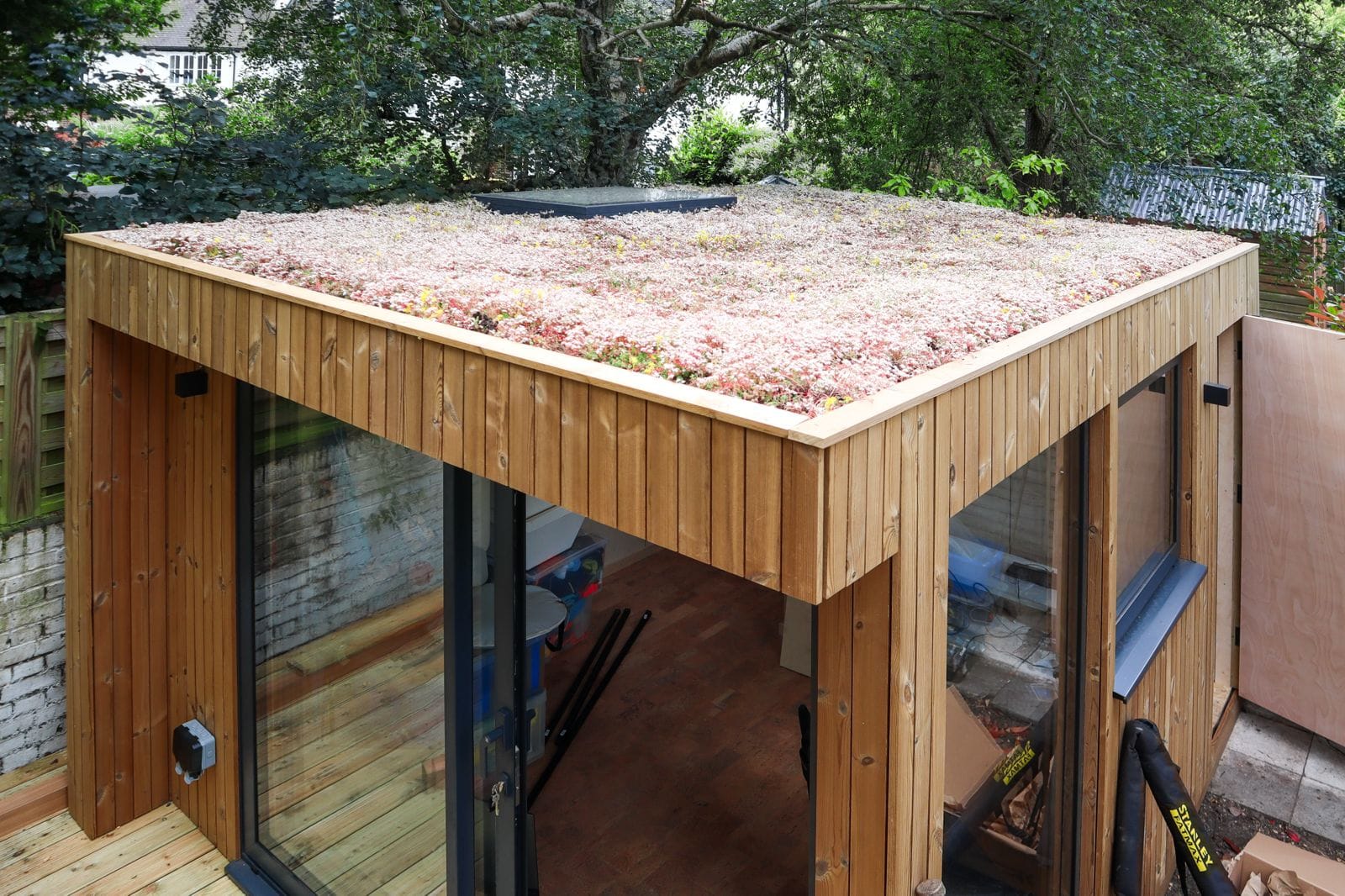
Factory-built garden room providing extra living space without a traditional extension

Garden Rooms vs Extensions: Cost, Time, and Value Compared

When comparing ways to extend your home, cost and timeline are often the deciding factors. In London, these differences are particularly pronounced.

Traditional Rear Extension

Average cost: £3,000 to £5,000 per square metre

Typical timeline: 16 to 24 weeks

Planning permission: Usually required

VAT: 20 percent

Premium Garden Room or Modular Pod

– Average cost: £1,800 to £3000 per square metre

– Typical timeline: One to three weeks on site

– Planning permission: Often not required under Permitted Development

– VAT: 20 percent, depending on specification

For a 20 square metre space, a high-quality garden room typically costs between £35,000 and £55,000 including insulation, glazing, and interior finishes. A comparable traditional extension in London often exceeds £80,000 once professional fees and VAT are included.

Exterior shot of a cedar-clad one-bedroom garden annexe settled on a professional stone patio foundation.

Top Ways to Extend Your Home in 2026

While garden rooms are leading the trend, they are part of a wider range of extension options available to homeowners.

Garden Office and Work From Home Pods

Dedicated workspace remains the most common reason for extending a home. A garden office pod creates a clear separation between work and home life, which many homeowners find essential for productivity.

Modern pods often include acoustic insulation, climate control, high-speed connectivity, and lighting designed for all-day use.

Single Storey Rear Extensions

Rear extensions remain the preferred option for homeowners looking to expand kitchens or create open-plan living spaces. In 2026, design trends favour broken-plan layouts, using glazing and subtle level changes to define zones without fully enclosing them.

Guest Annexes and Modular Living Spaces

Modular construction is increasingly used for guest suites and self-contained annexes. These spaces often include en-suite bathrooms and compact kitchen areas, making them suitable for multi-generational living without altering the main house.

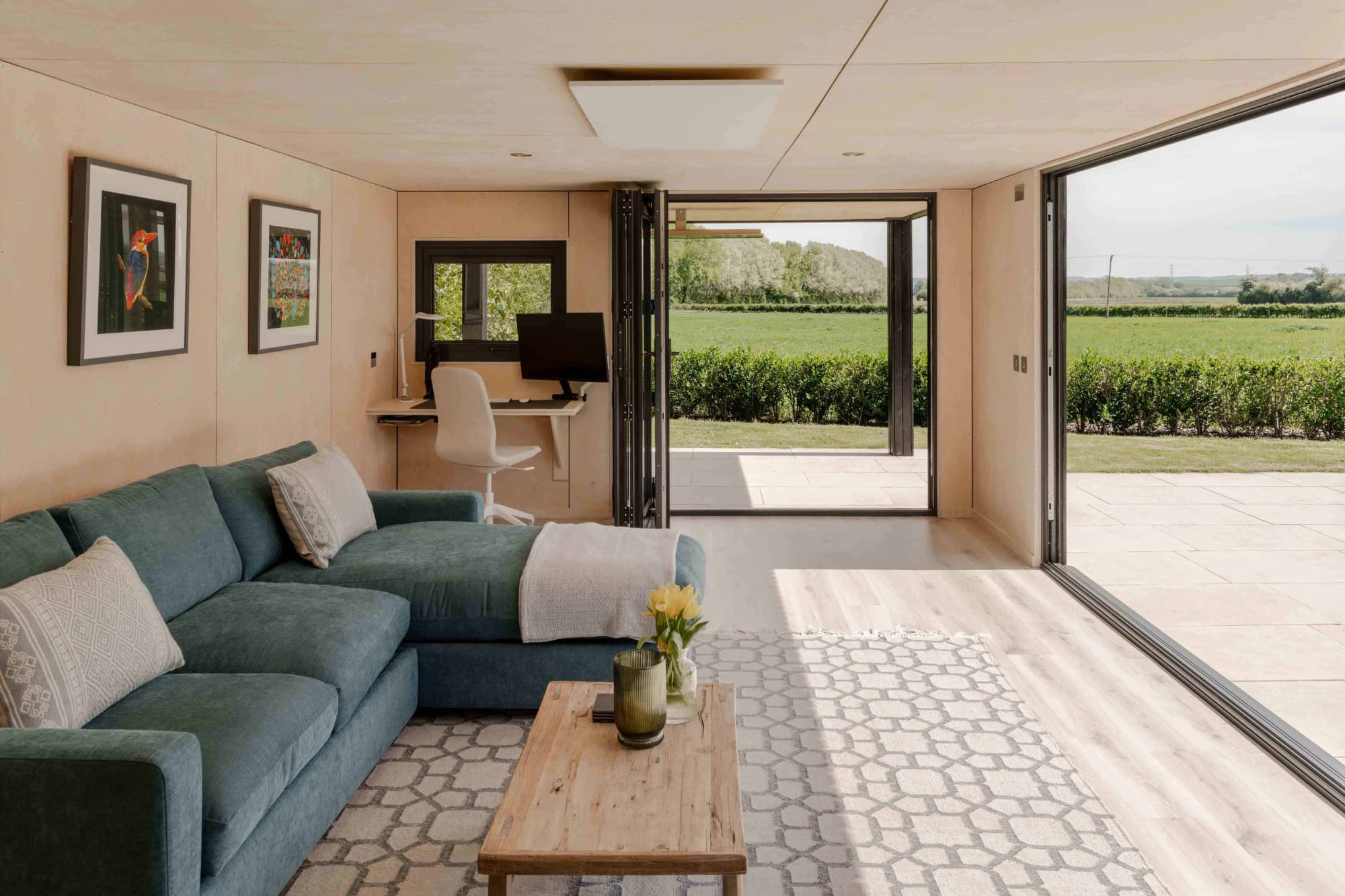
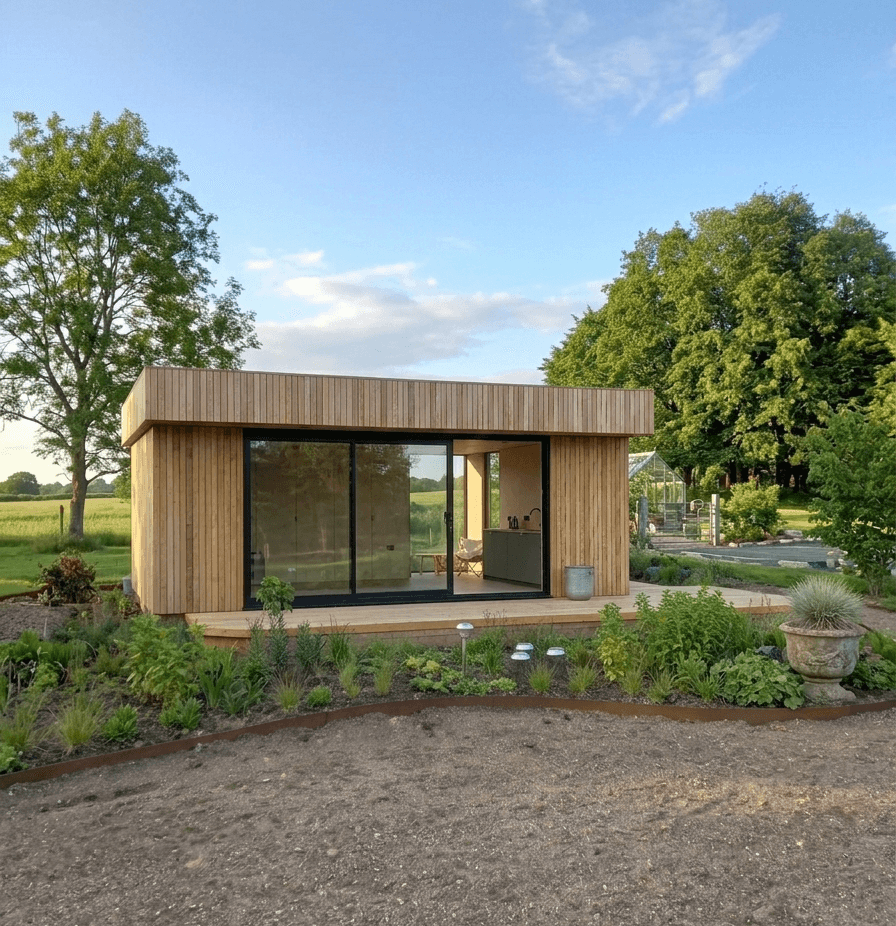
Detached garden room as an alternative to extending a house

Sustainability and Build Quality: Why Factory-Built Wins

One of the most effective ways to extend your home sustainably is through off-site construction. Traditional building methods often generate significant material waste and rely on wet trades that are vulnerable to weather delays.

Factory-built garden rooms offer several advantages:

– Precision manufacturing
Computer-aided design ensures tight tolerances and airtight construction, improving thermal performance.

– Lower environmental impact
Sustainable timber frames, recycled insulation, and low-impact foundations such as ground screws reduce disruption to gardens and tree roots.

Energy efficiency
Many premium pods are designed to exceed building regulation standards and require minimal heating throughout the year.

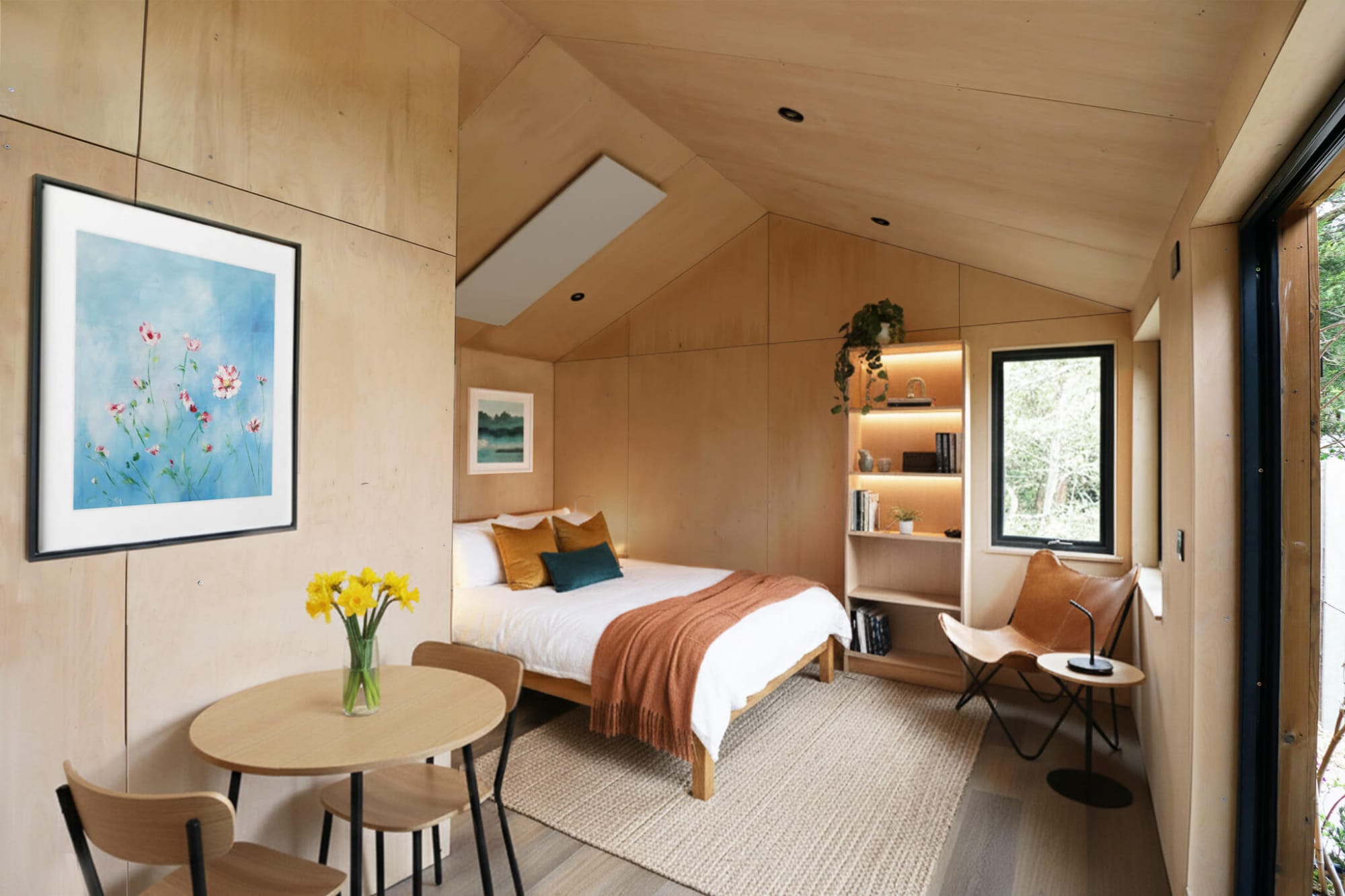
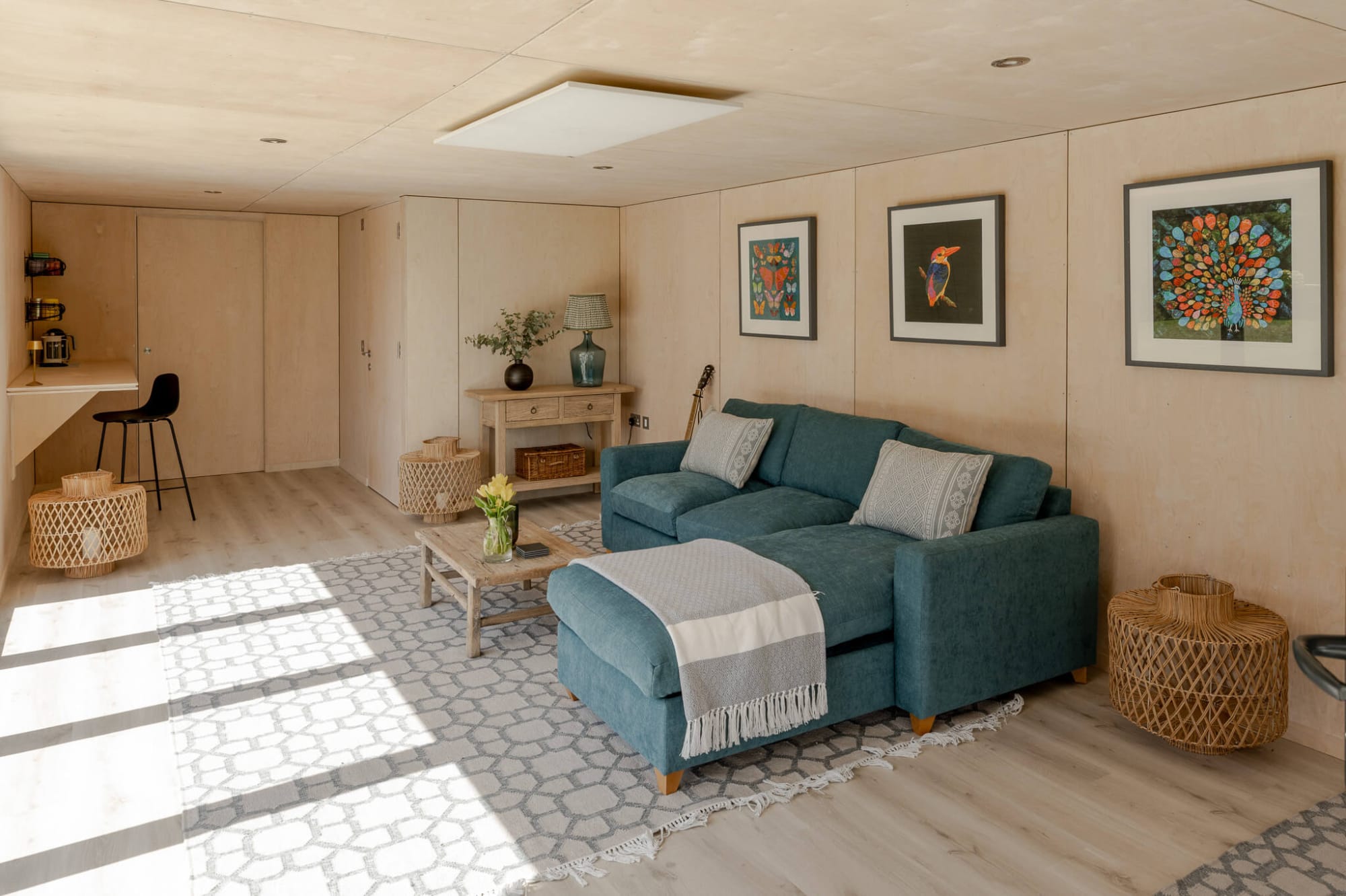
Self-contained modular garden room for guests or family

Planning Permission Rules in the UK

Planning is often the most intimidating part of extending a home. Garden rooms are typically classified as outbuildings and may fall under Permitted Development if they meet certain criteria.

In most cases, the structure must be single storey, remain within height limits, and not cover more than half of the land surrounding the original house.

If your property is listed or located within a conservation area, professional guidance is essential. Many premium garden room providers now offer Certificate of Lawfulness services to confirm compliance before installation begins.

ROI and Property Value: Which Option Delivers Better Returns?

Return on investment is a key consideration when choosing how to extend your home. Traditional extensions can add significant value by increasing the main footprint of the property, but they also require substantial upfront investment.

Garden rooms often deliver a higher ROI percentage. Because build costs are lower, yet demand for flexible space remains strong, many homeowners see a 5 to 15 percent uplift in property value. When designed to match the quality and appearance of the main house, a garden room is widely viewed as a permanent asset rather than a temporary structure.

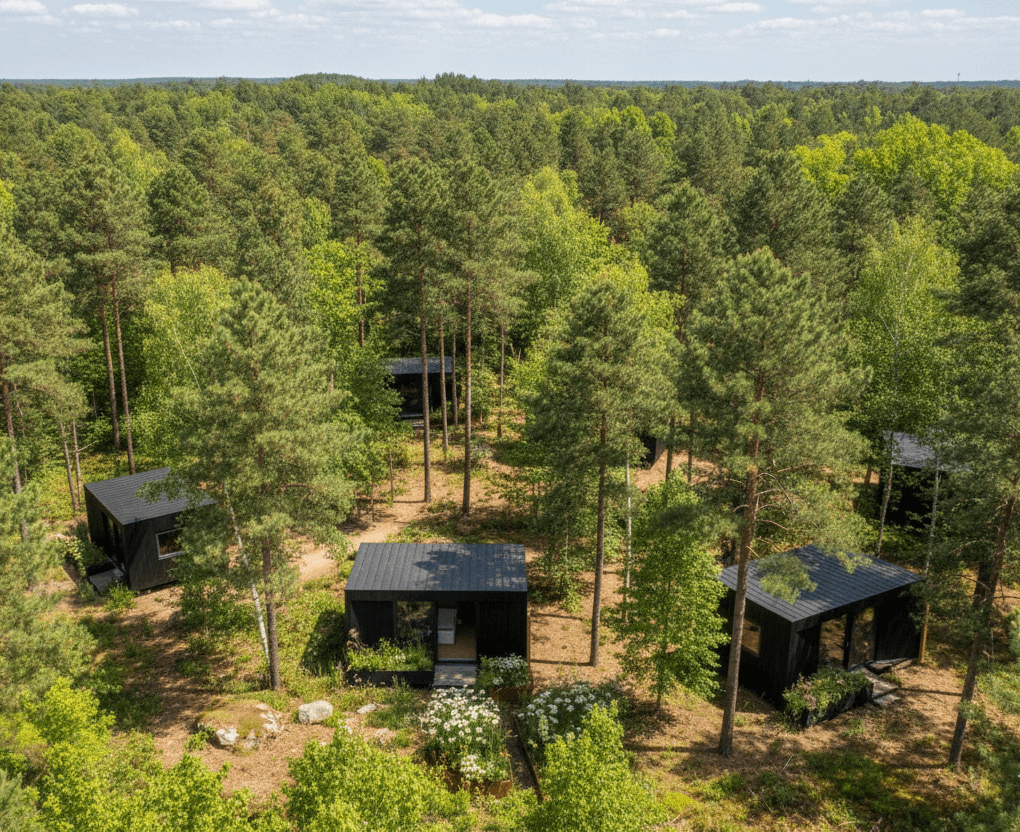
Luxury garden room annexe designed for multi-generational living

Practical Advice Before You Extend Your Home

Before committing to a project, consider the following:

– Define the primary use
If you need a larger kitchen or dining area, a traditional extension may be the only viable solution. For offices, gyms, studios, or guest rooms, a garden room is usually faster and more cost-effective.

– Understand ground conditions
Deep trench foundations can be complex and costly in areas with clay soil. Modular pods often use alternative foundation systems that minimise disruption.

– Prioritise build quality
To add genuine value, the extension or pod should meet or exceed the standards of the main house. Look for high-performance glazing, quality insulation, durable cladding, and long-term warranties.

Conclusion

The best ways to extend your home in 2026 focus on efficiency, flexibility, and long-term value. While traditional extensions still serve an important role for major structural changes, premium garden rooms have emerged as a smarter alternative for many homeowners.

By choosing a high-quality modular solution, you are not simply adding extra space. You are creating a durable, energy-efficient asset that supports modern living without the stress of a prolonged building project.

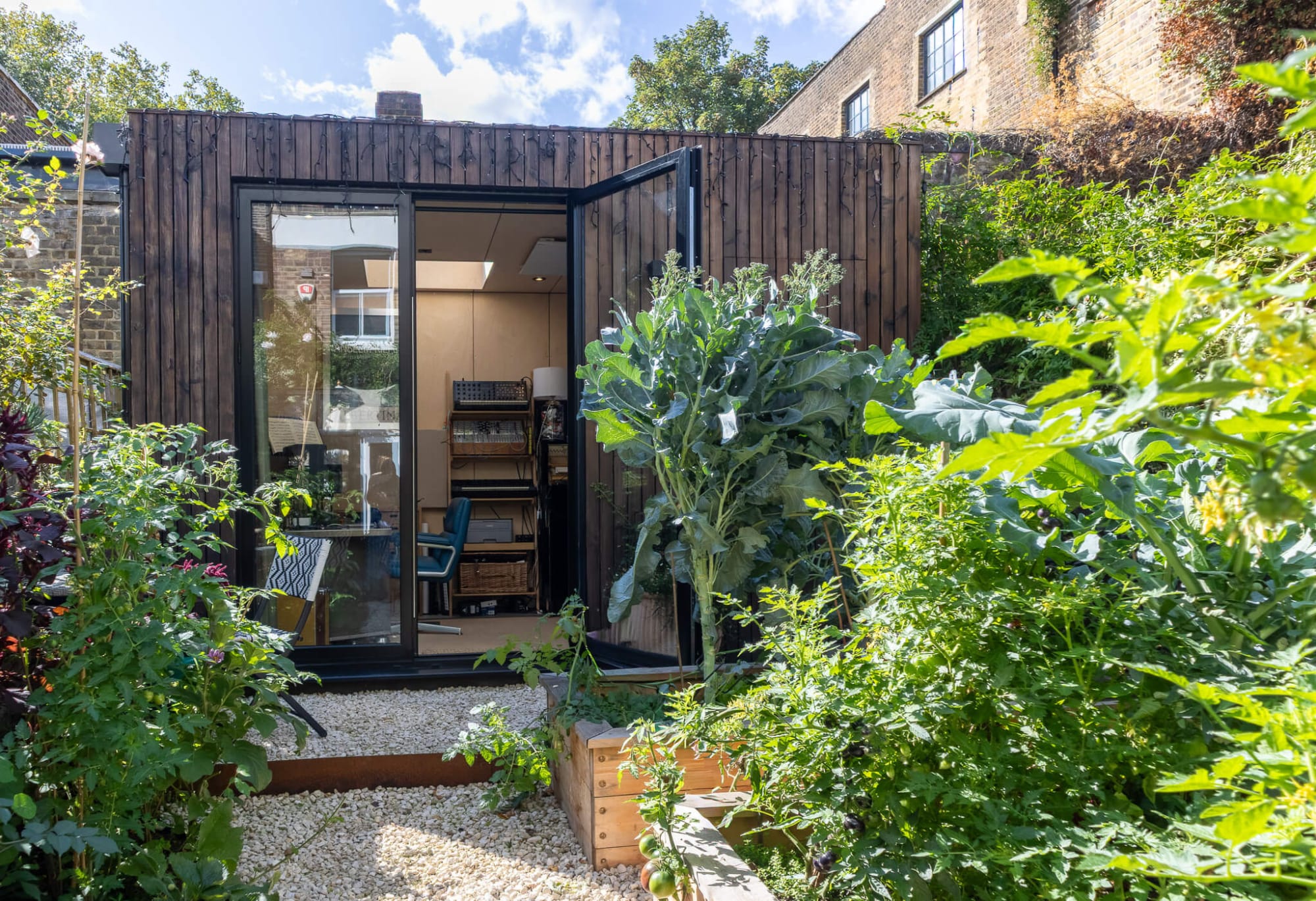
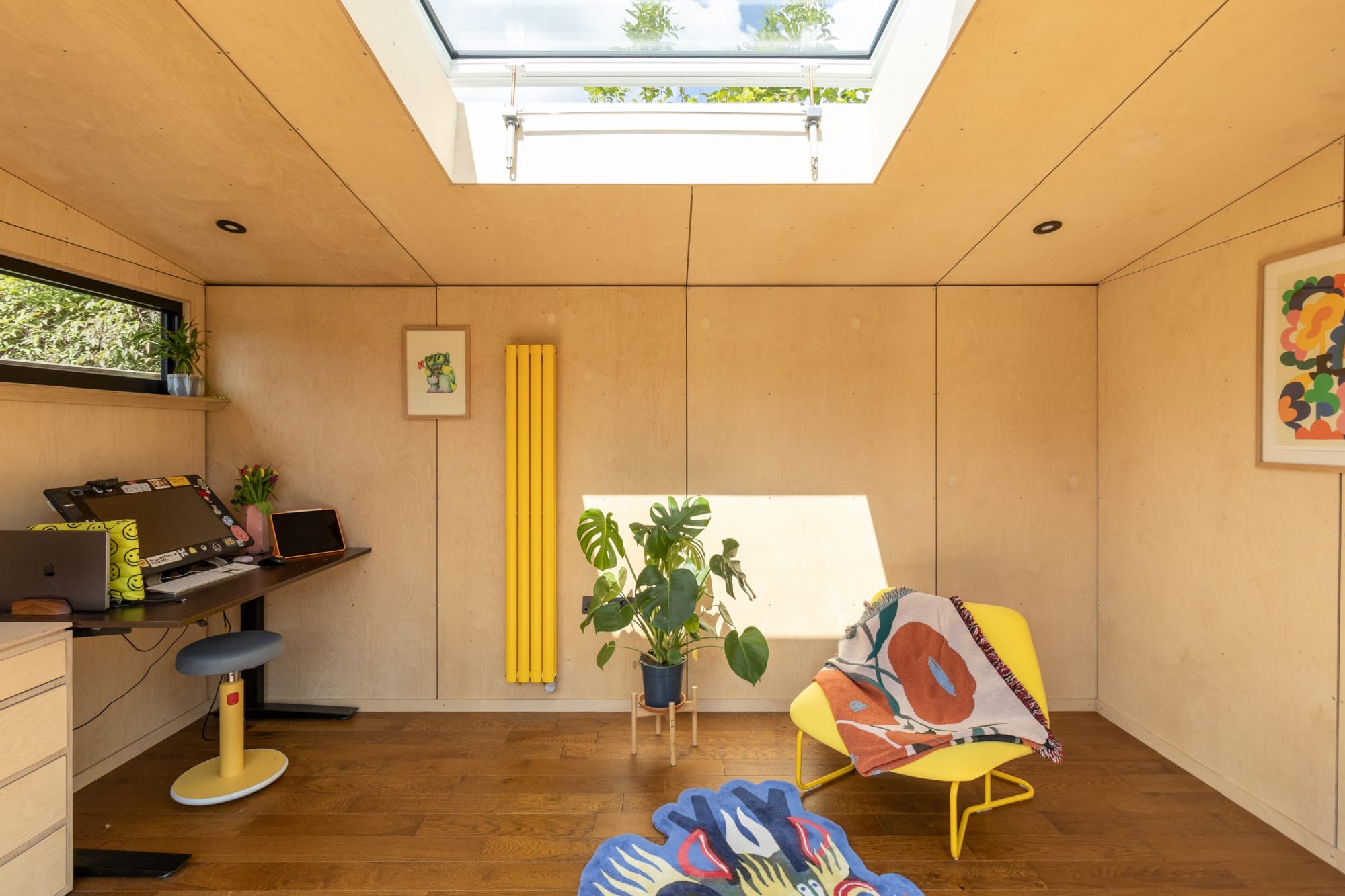
Perspective looking through open French doors from the lush garden into the music studio interior.

Frequently Asked Questions

Do garden rooms add more value than extensions?
Traditional extensions usually add the most absolute value by increasing internal floor area. However, garden rooms often offer a higher return on investment because the build cost is lower while still adding desirable, usable space.

Can a garden room be used all year round?
Yes. Modern garden rooms are fully insulated and include heating and ventilation systems, making them comfortable throughout the year.

How long does a modular garden room last?
High-quality pods are designed to last 30 to 50 years or more, using durable roofing systems and treated or composite cladding.

Do I need an architect for a garden room?
Most premium garden room providers have in-house design teams, which removes the need for an external architect and reduces overall project costs.

    It looks like you're using an outdated browser. Please upgrade your browser for the best experience.