Return to Press

Top Tips for Sustainable Garden Rooms How to Create Sustainable & Energy-Efficient Designs

Designing a sustainable garden room doesn’t have to be complicated. With the right materials, energy-efficient features, and eco-conscious planning, you can create a low-impact garden pod that’s both beautiful and practical. Here are the top tips for eco-friendly garden rooms.
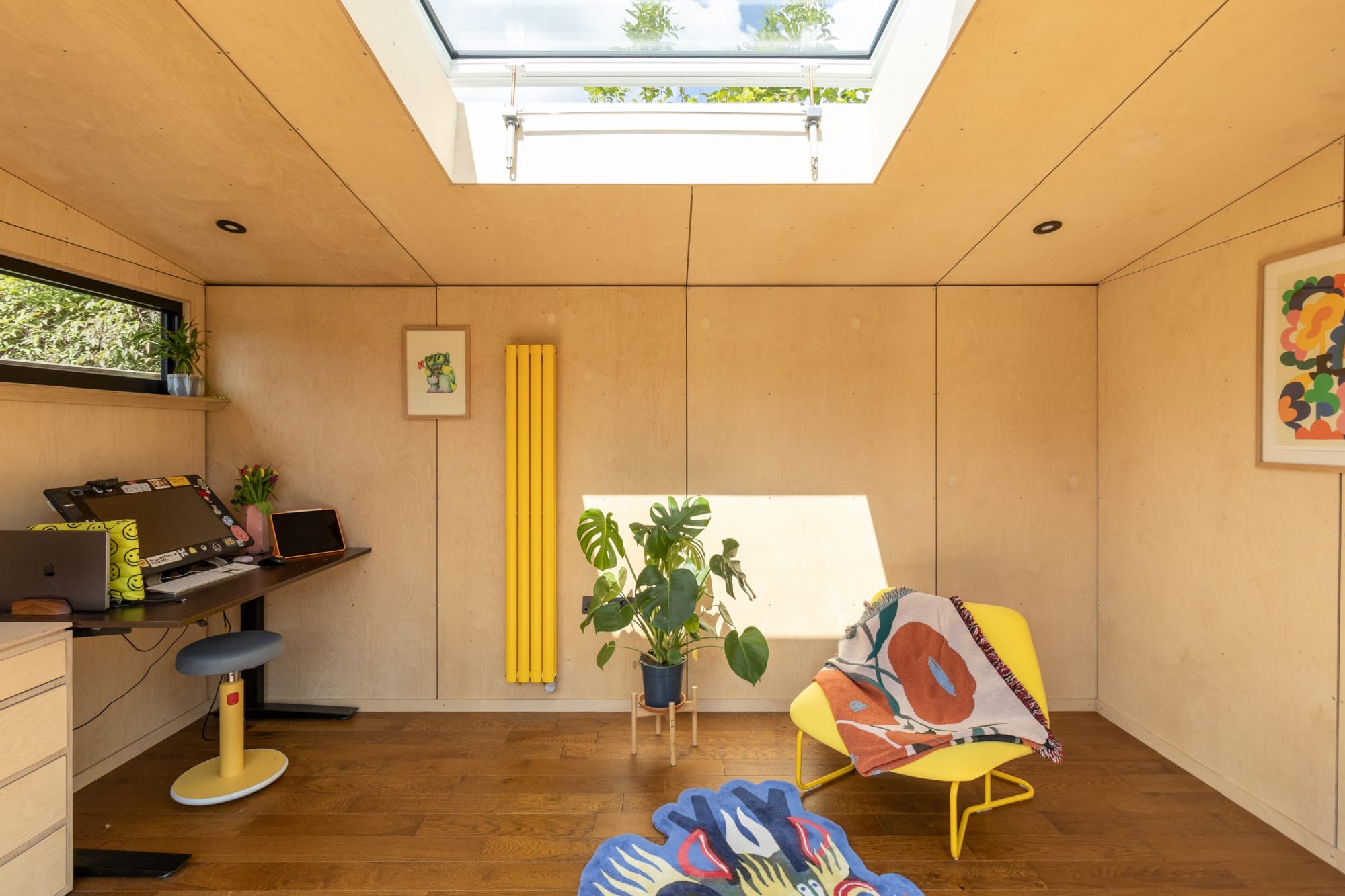
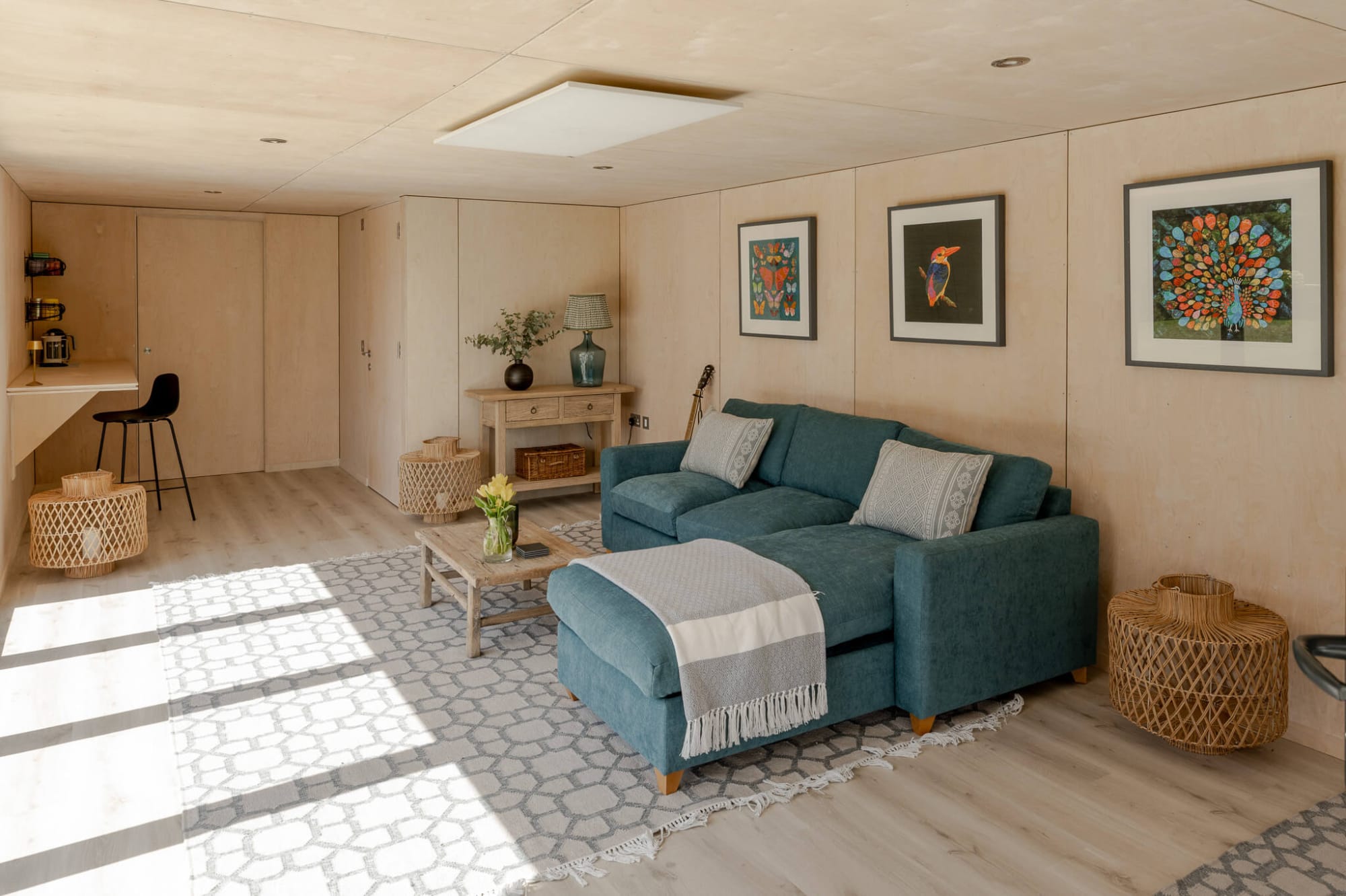
High-resolution interior of an RHS show garden pod, featuring natural plywood walls, modern recessed lighting, and expansive views of the garden.

Tip 1: Choose Eco-Friendly Materials

The materials you use make a huge difference:

  • FSC-certified timber: responsibly sourced wood reduces environmental impact.

  • Low-VOC paints and finishes: improve indoor air quality.

  • Recycled insulation and cladding: helps reduce waste.

  • Sustainable foundations: opt for modular or low-impact systems instead of concrete where possible.
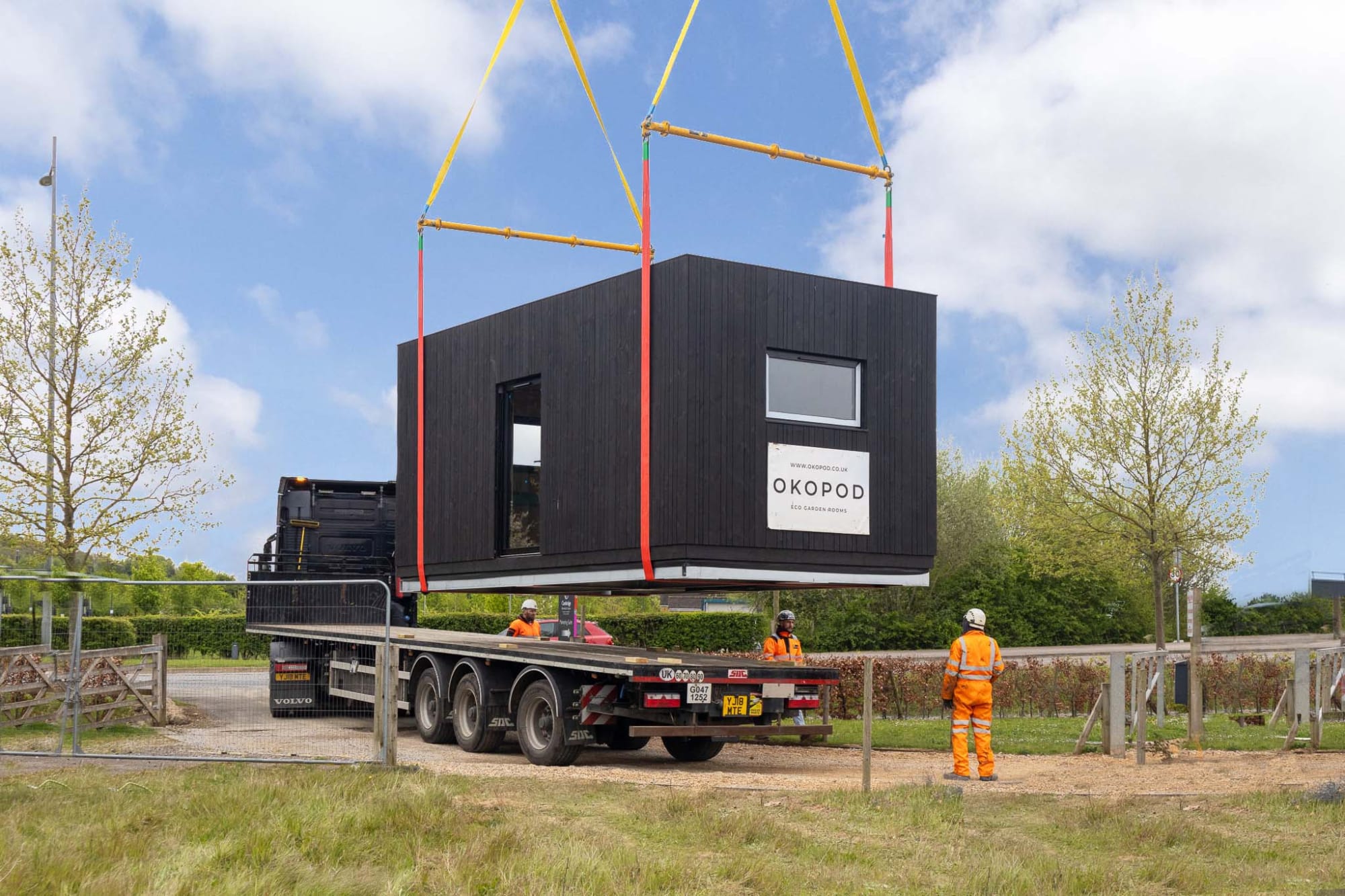
A modular building module being transported and unloaded from a flatbed truck

Tip 2: Prioritise Energy Efficiency

Make your garden room energy-smart:

  • High-performance insulation: keeps the room warm in winter, cool in summer.

  • Double or triple glazing: reduces heat loss.

  • LED lighting and solar panels: lower energy bills and environmental footprint.

  • Smart ventilation: maintains comfort without relying heavily on heating or AC.

FSC-certified timber and recycled insulation for sustainable garden pods

Tip 3: Maximise Natural Light

Good natural lighting reduces energy use and improves mood:

  • Large windows or skylights let in plenty of daylight.

  • Consider positioning your garden room to get the best sun exposure.

Tip 4: Use Modular and Prefabricated Construction

  • Modular garden rooms reduce waste during construction.

  • Prefabricated designs shorten build time and allow better quality control.

  • Choose durable and recyclable materials for longevity.

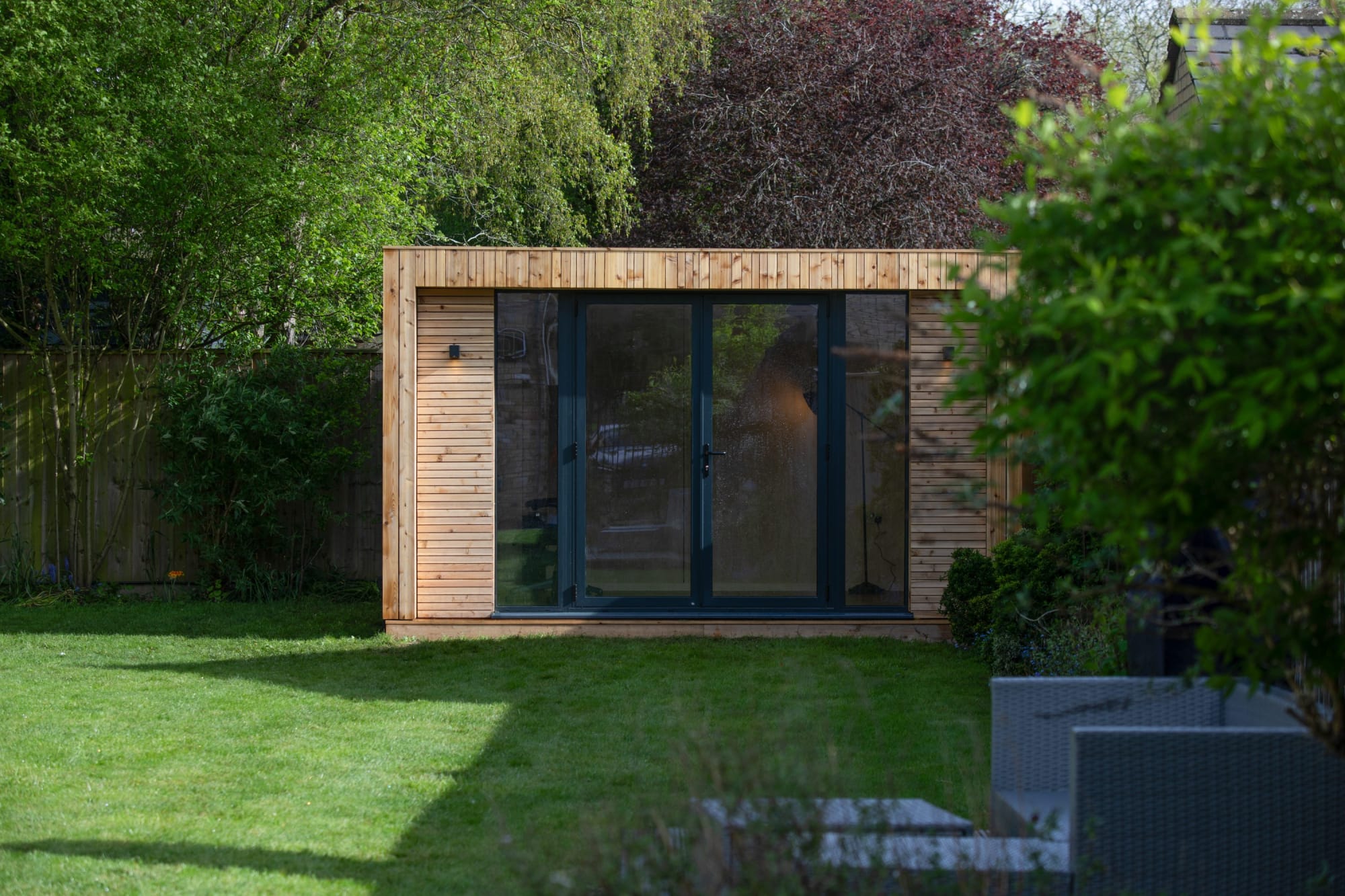
Prefabricated modular garden room built with eco-friendly materials

Tip 5: Incorporate Sustainable Design Features

Eco-conscious touches include:

  • Rainwater harvesting or water-saving fixtures

  • Green roofs or planters to improve insulation and biodiversity

  • Natural ventilation and airflow to reduce heating/cooling needs

Tip 6: Plan for Longevity

  • Invest in durable materials and finishes.

  • Consider maintenance requirements to ensure your garden room lasts decades.

  • Sustainable garden rooms save money over time due to energy savings and reduced replacement costs.

Tip 7: Check Compliance and Regulations

  • Ensure your garden room meets UK building regulations.

  • Sustainable design often aligns with energy efficiency codes.

  • Work with experts to balance sustainability, safety, and aesthetics.

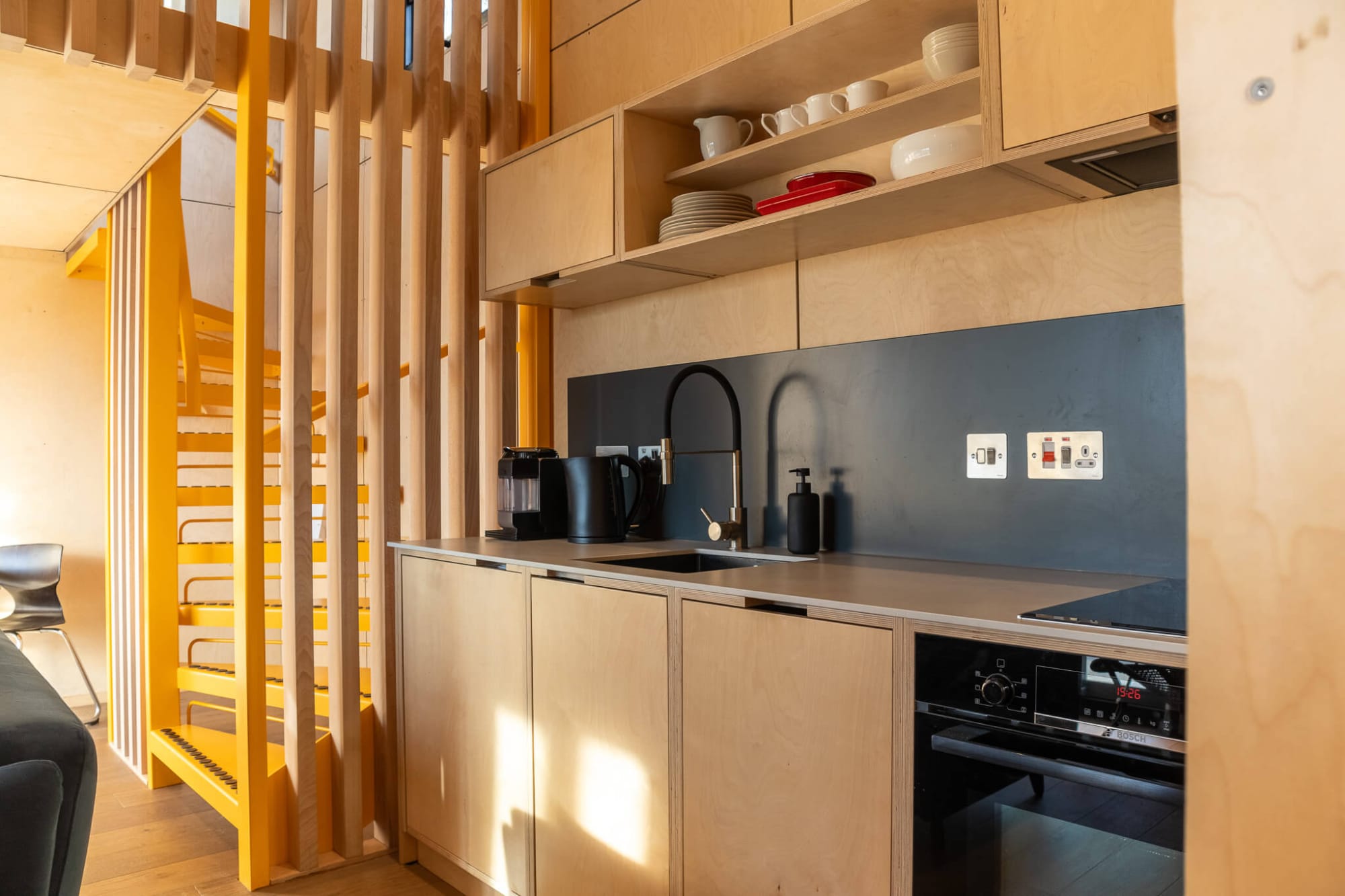
Compact modern kitchen featuring birch cabinets, open shelving, a black backsplash, and a built-in oven.

Conclusion

Building a sustainable garden room is a fantastic way to create a low-impact, energy-efficient backyard pod. By following these tips, you’ll get a beautiful, practical, and eco-conscious space for work, hobbies, or relaxation.

FAQs

  • What makes a garden room sustainable?
    Eco-friendly materials, energy-efficient insulation, and low-impact foundations.

  • Are sustainable garden rooms more expensive?
    Initial costs may be higher, but long-term energy savings often offset the investment.

  • Can I use solar panels on my garden room?
    Yes, solar panels can make your garden pod more energy-efficient.

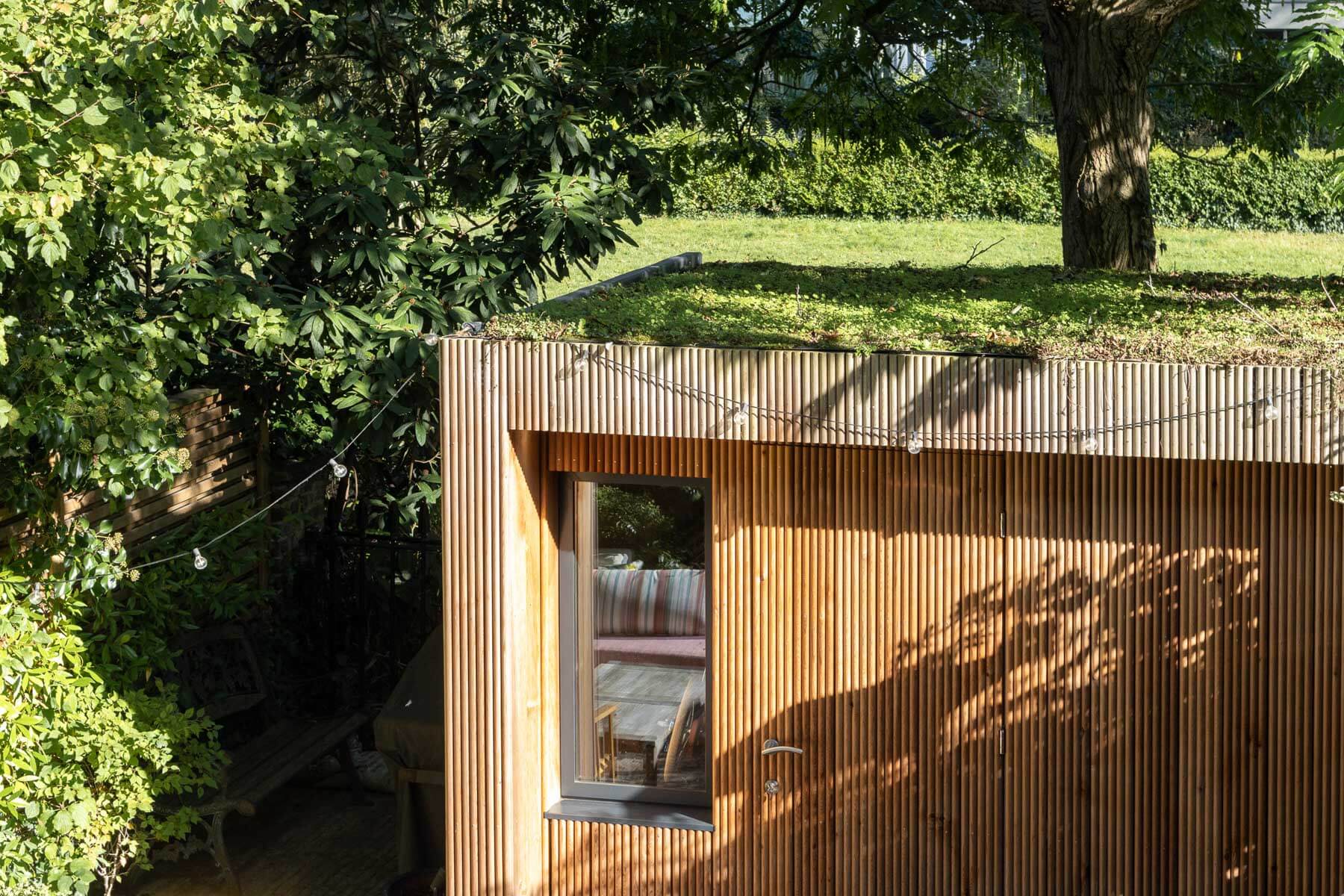
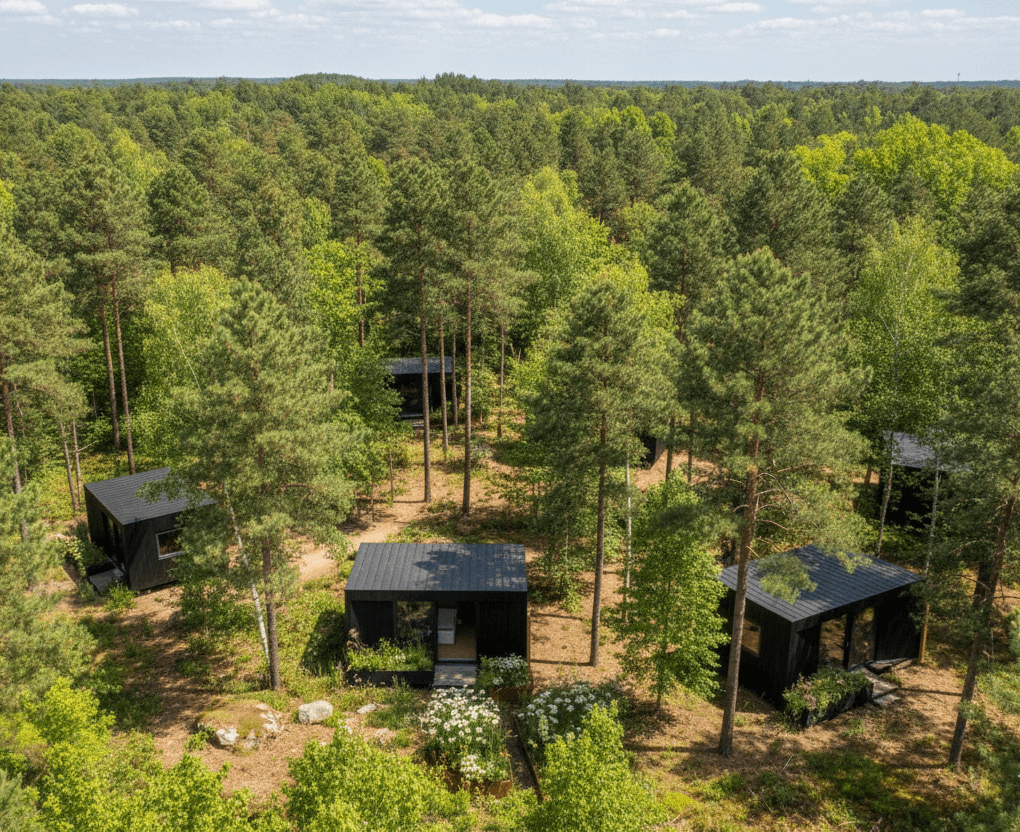
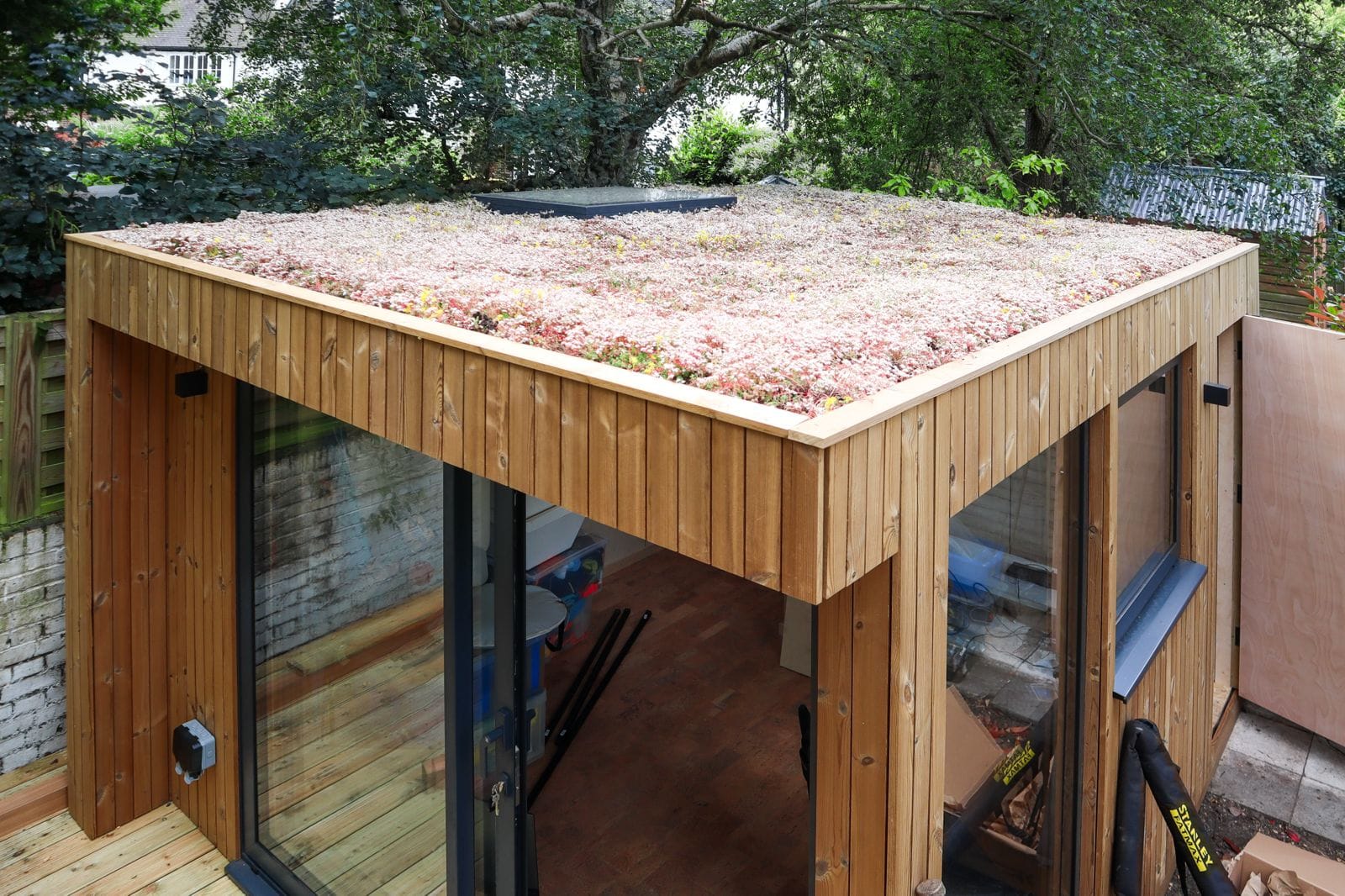
High-angle view highlighting the living sedum green roof and vertical batten facade of the Garden Sauna and Storage Room.
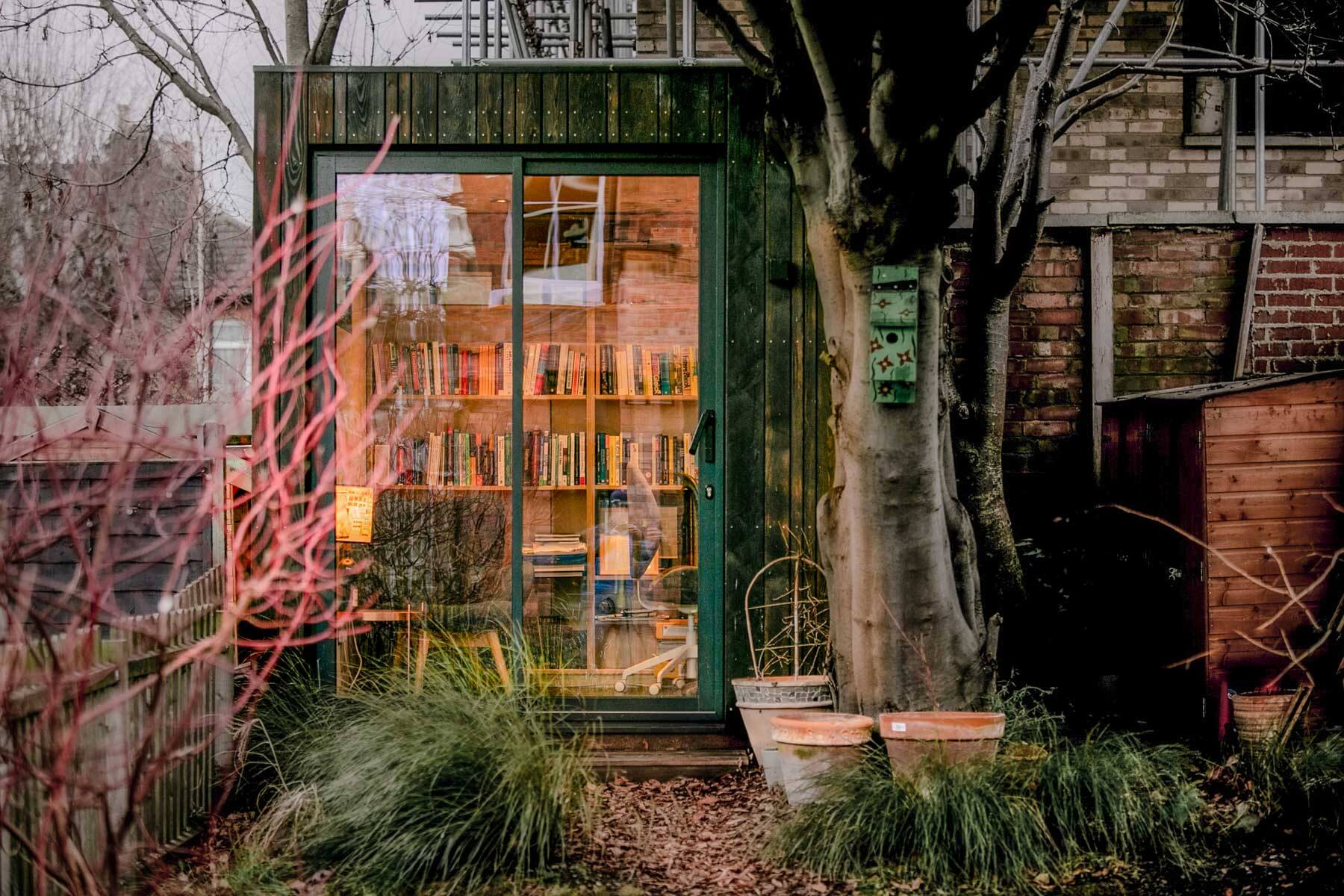
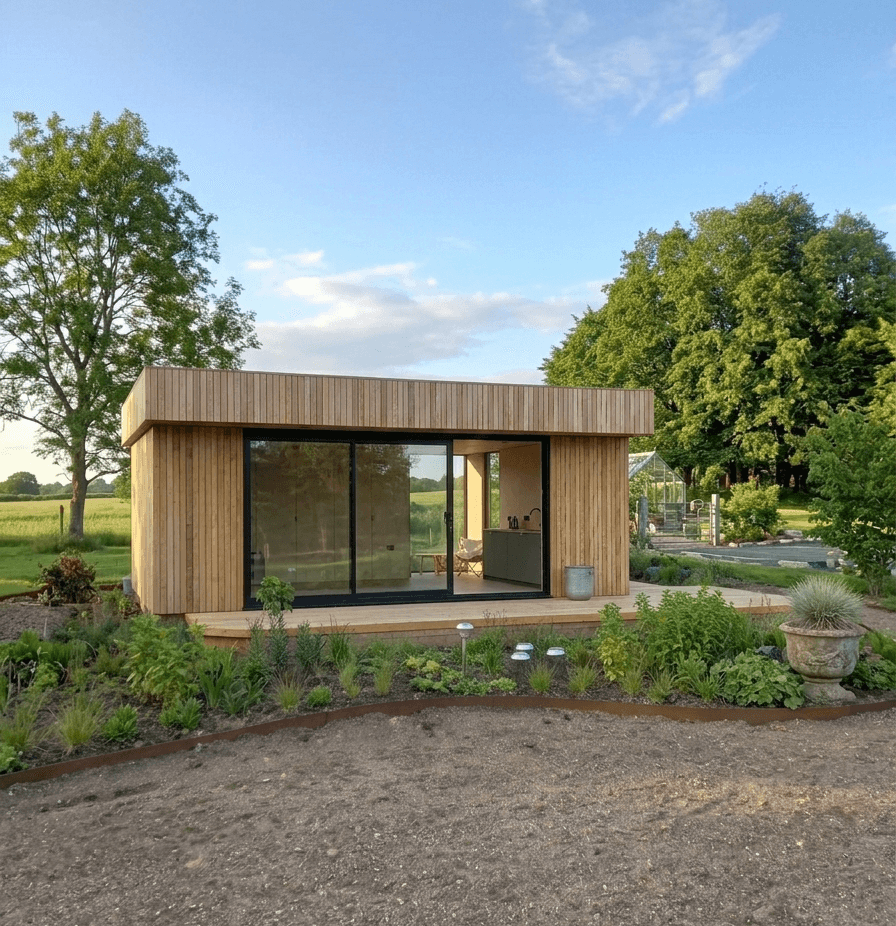
Finished eco-conscious garden room used as creative workspace

Ready to Build Greener?

Get in touch to talk about how we can bring your sustainable garden room to life.

It looks like you're using an outdated browser. Please upgrade your browser for the best experience.