Return to Press

Do You Need Planning Permission for a Garden Room in Cambridge? UK Guide 2026

20 March 2026
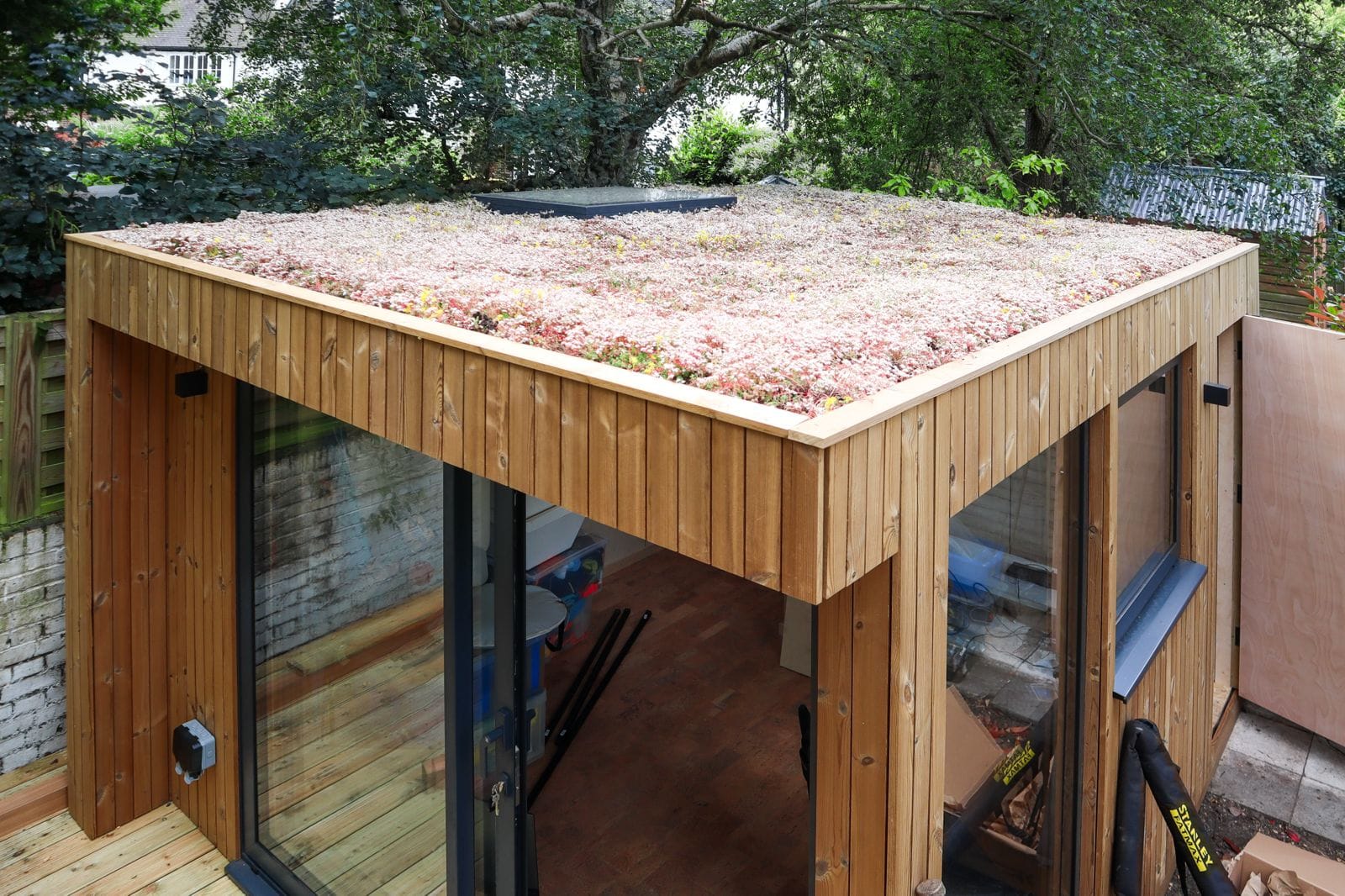
Modern UK garden office installed without concrete foundations using OKOBASE

If you’re thinking about adding a garden room, shed, or modular pod to your property in Cambridge, one of the first questions you’ll ask is:

Do I need planning permission?

The short answer is: usually not, but it depends.

In this guide, we’ll break down UK planning rules, when you don’t need permission, when you do (especially in Cambridge), and the key considerations that could affect your project.

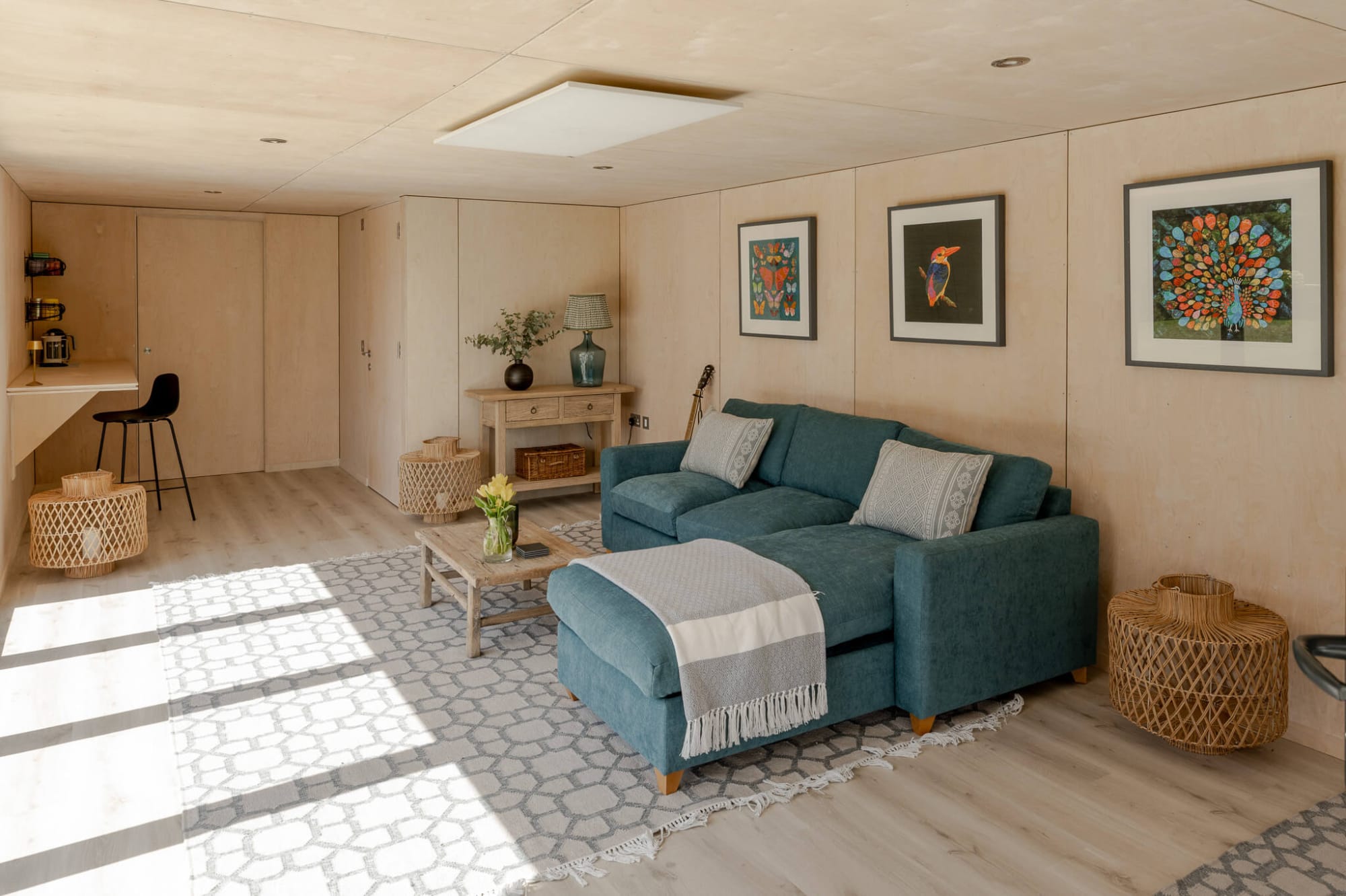
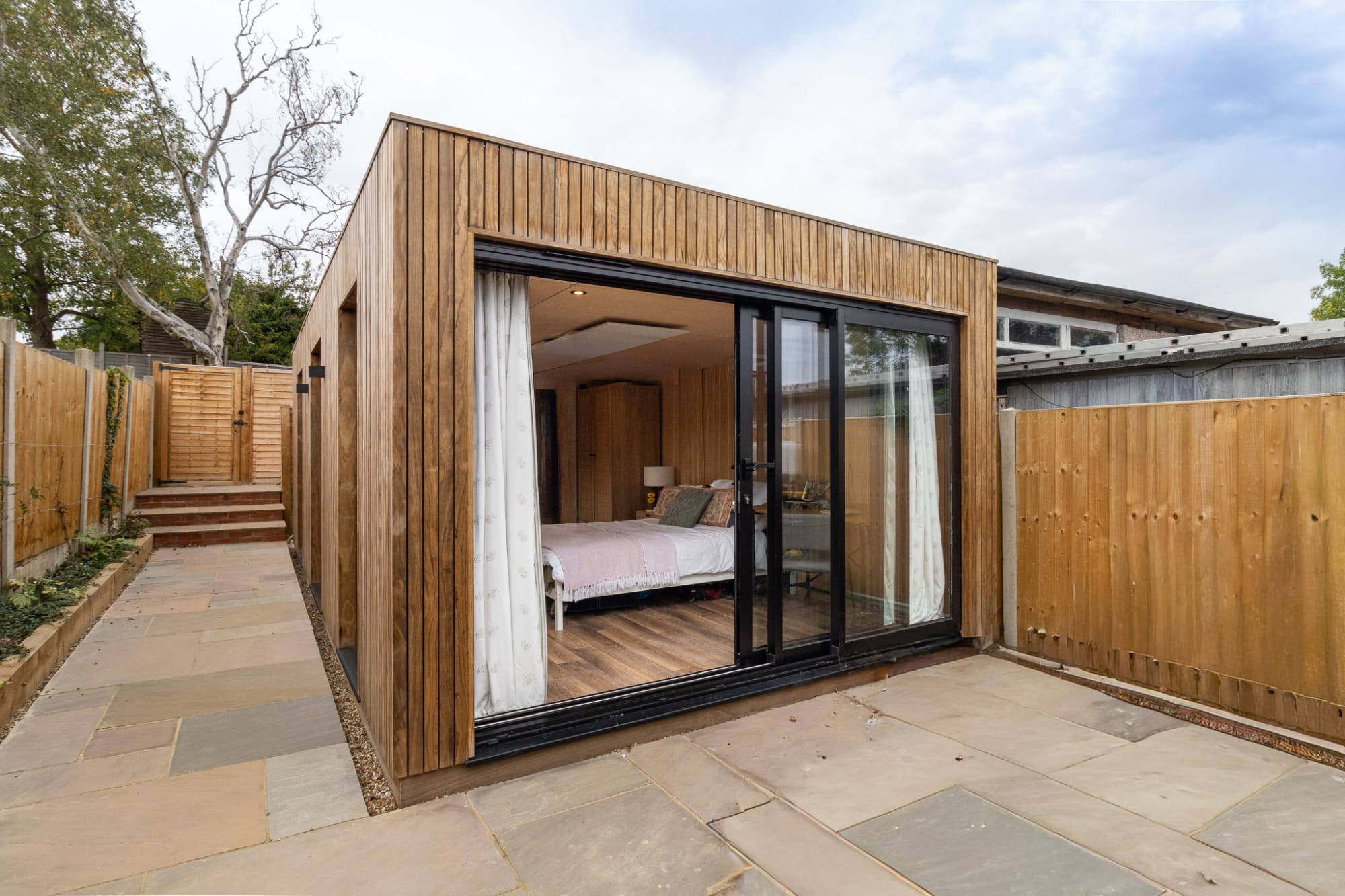
A modern timber-clad garden annex used as a luxury guest bedroom with sliding glass doors, interior lighting, and flagstone patio in a narrow London garden in camridge

UK Planning Rules for Garden Rooms (Explained Simply)

In the UK, most garden buildings fall under Permitted Development Rights.

This means you can build a shed, garden office, or garden room without planning permission, as long as you follow specific rules.

These rules typically apply to garden rooms, home offices, sheds, studios, and similar outbuildings used for purposes incidental to the main house.

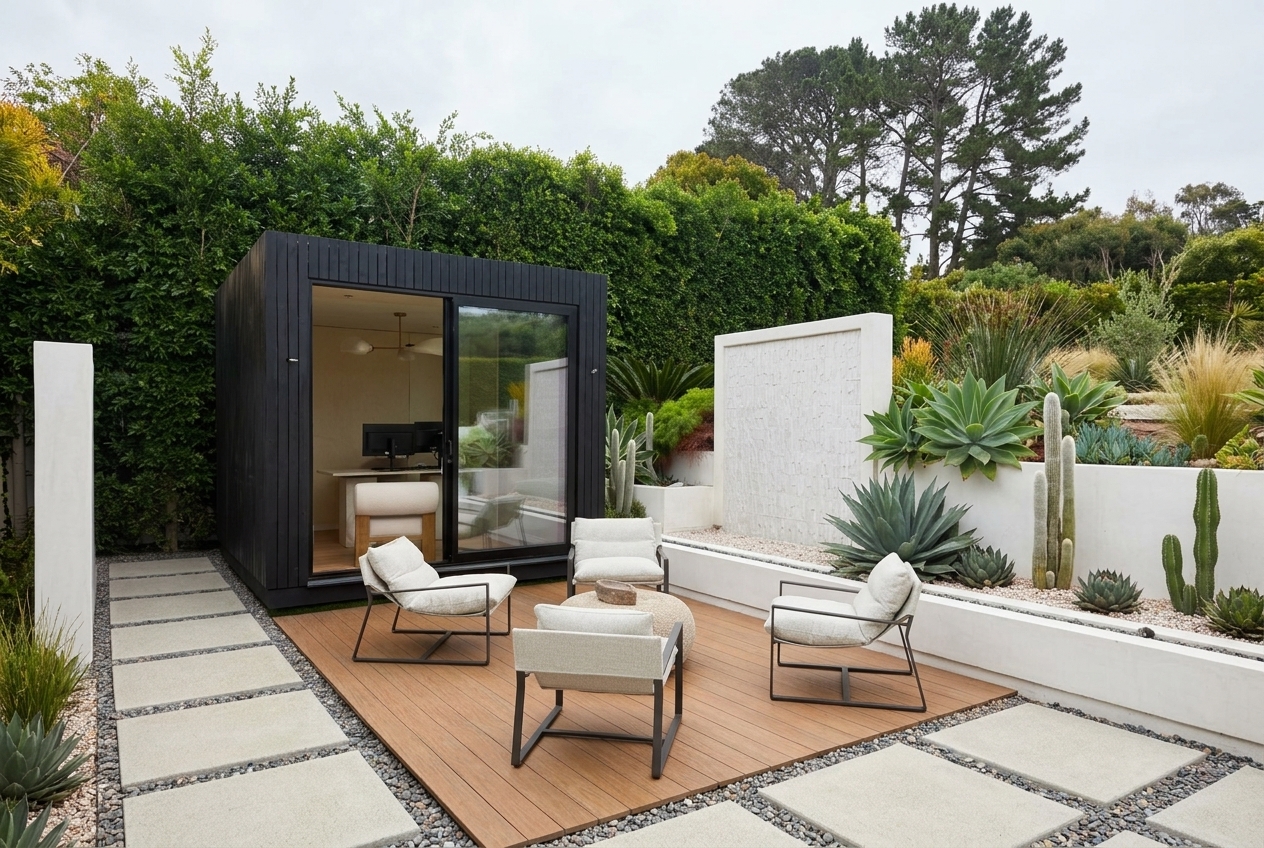
Prefabricated single-person office pod installed in a commercial campus outdoor setting

When You Don’t Need Planning Permission

Most garden rooms fall within permitted development.

You generally do not need planning permission if the building is used for incidental purposes such as a home office, gym, studio, or storage space. It must not be used as a self-contained living space.

The structure must not cover more than 50 percent of the total land around your house, and it should be located in the rear garden rather than in front of the property.

Height restrictions also apply. If the building is within two metres of a boundary, it must not exceed 2.5 metres in height. If it is further away, it can be higher depending on the roof type.

The building must be single-storey and should not include raised platforms, balconies, or verandas.

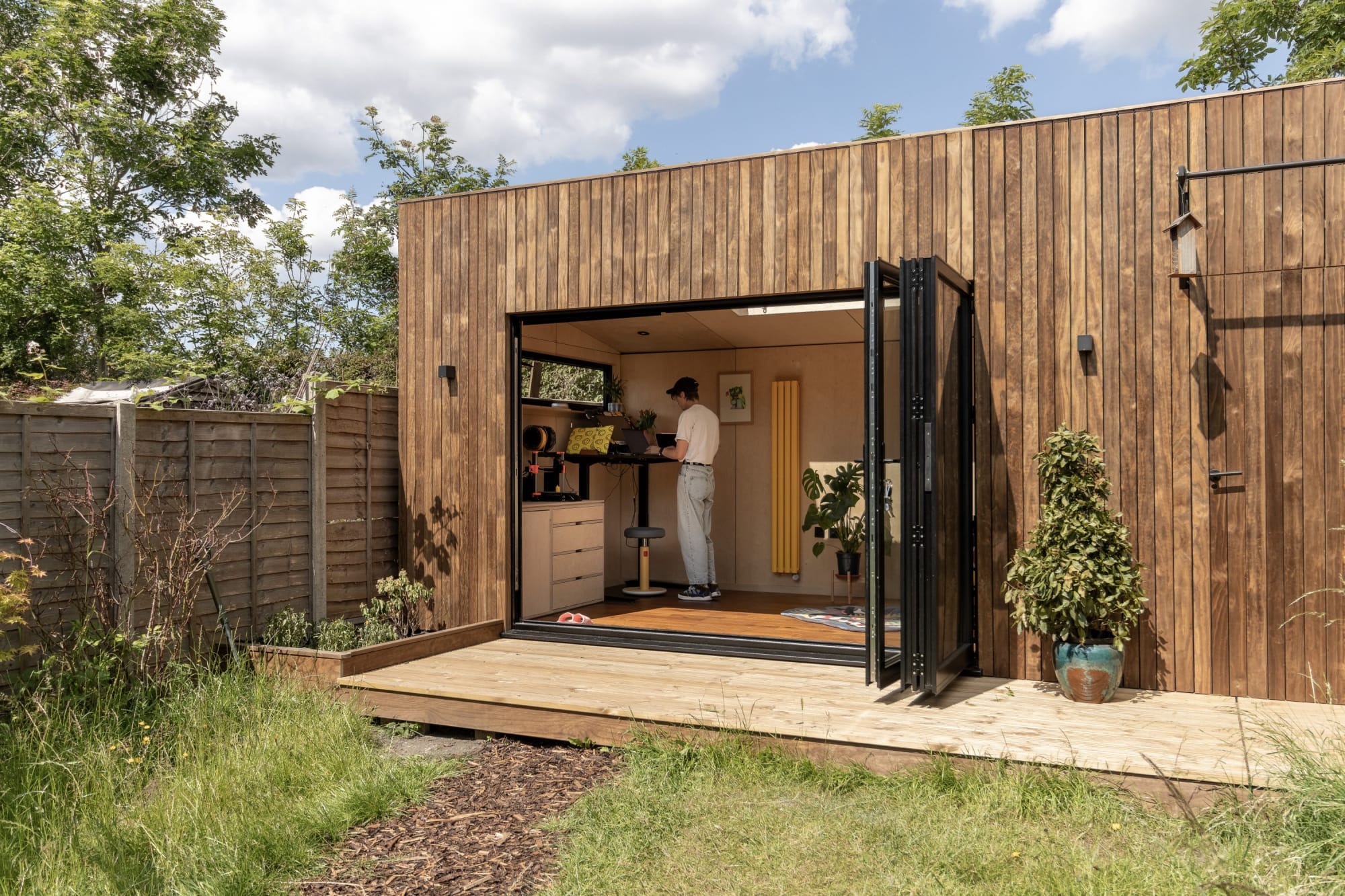
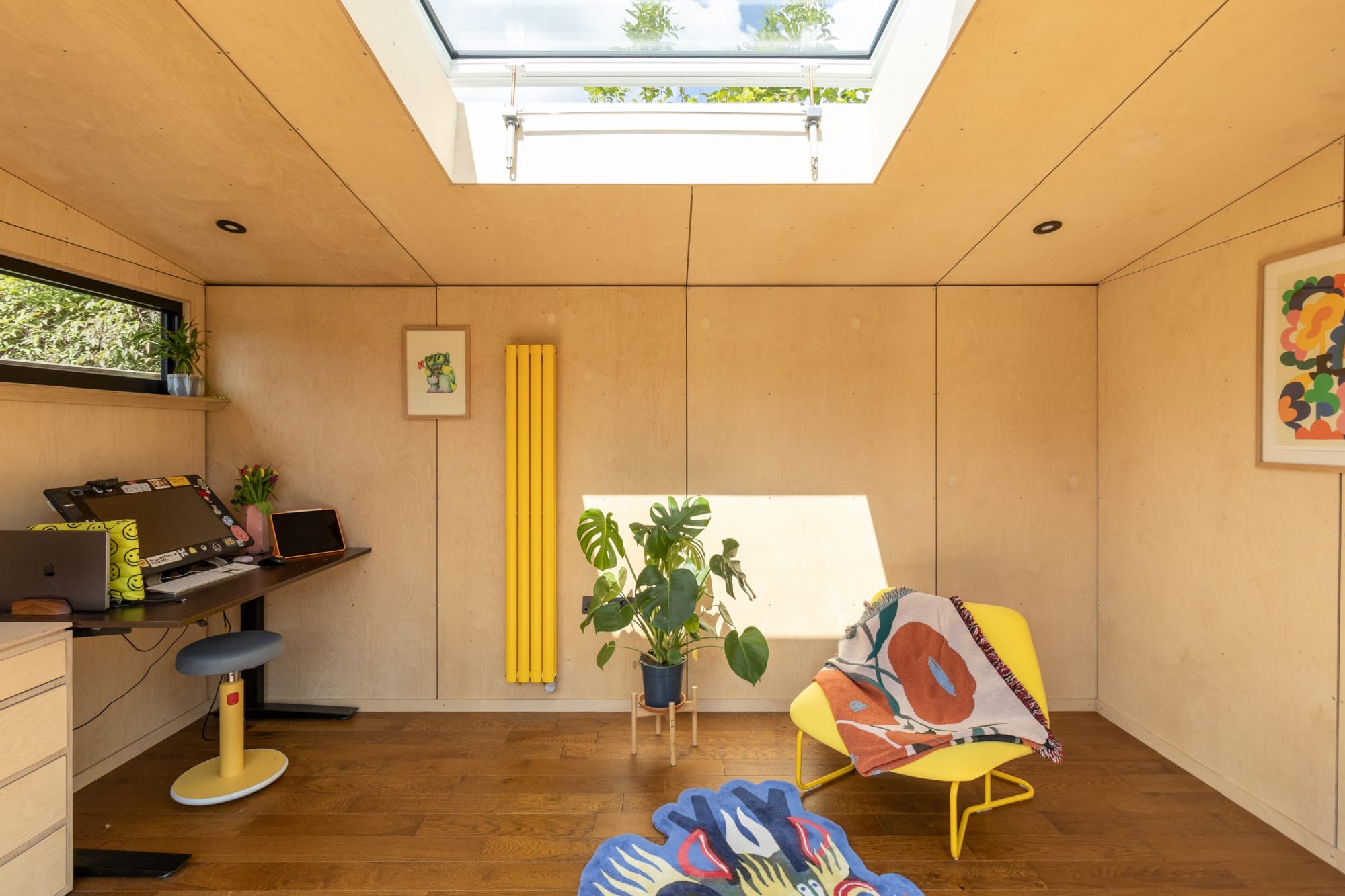
A large bespoke garden studio with black bifold doors and vertical wood cladding, showing a person working at a standing desk in a bright London garden office.

When You Do Need Planning Permission

There are several situations where planning permission is required.

If you intend to use the garden room as a self-contained living space, including sleeping, cooking, and bathroom facilities for independent use, planning permission will be necessary.

You will also need permission if the structure exceeds permitted size or height limits, or if it takes up too much of the available garden space.

In addition, some properties have specific restrictions that override permitted development rights, which is particularly relevant in Cambridge.

Custom Outdoor Commercial Office Pod

Cambridge-Specific Planning Considerations

Cambridge has more planning constraints than many areas of the UK due to its historic environment and protected zones.

If your property is located in a conservation area, permitted development rights may be restricted or removed altogether. This means you may need planning permission even for relatively small garden buildings.

If your property is a listed building, you will almost certainly need listed building consent, regardless of the size of the structure.

Local planning authorities in Cambridge are also more sensitive to design, materials, and visual impact. High-quality, well-designed garden rooms are more likely to be approved in these contexts.

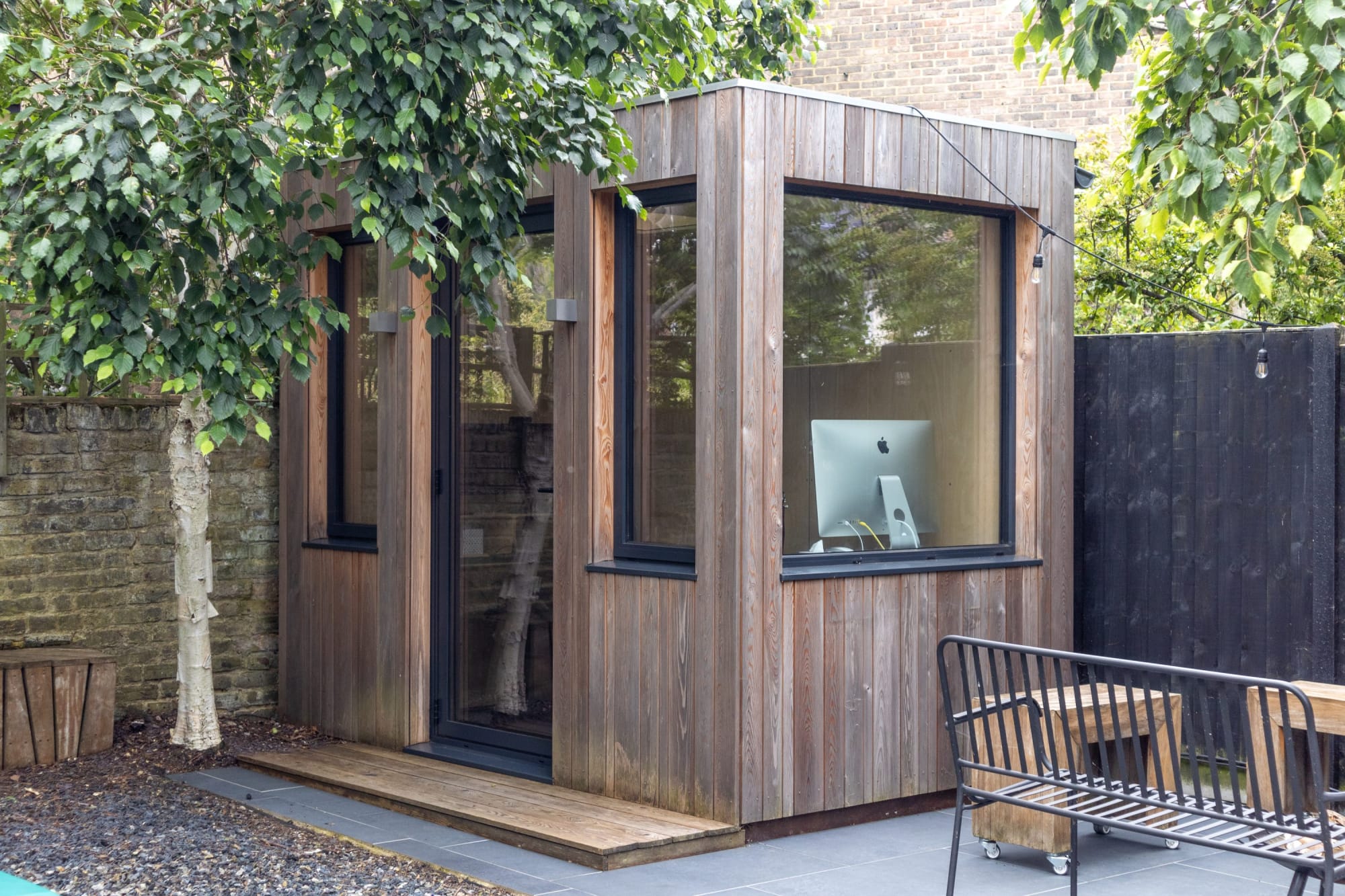
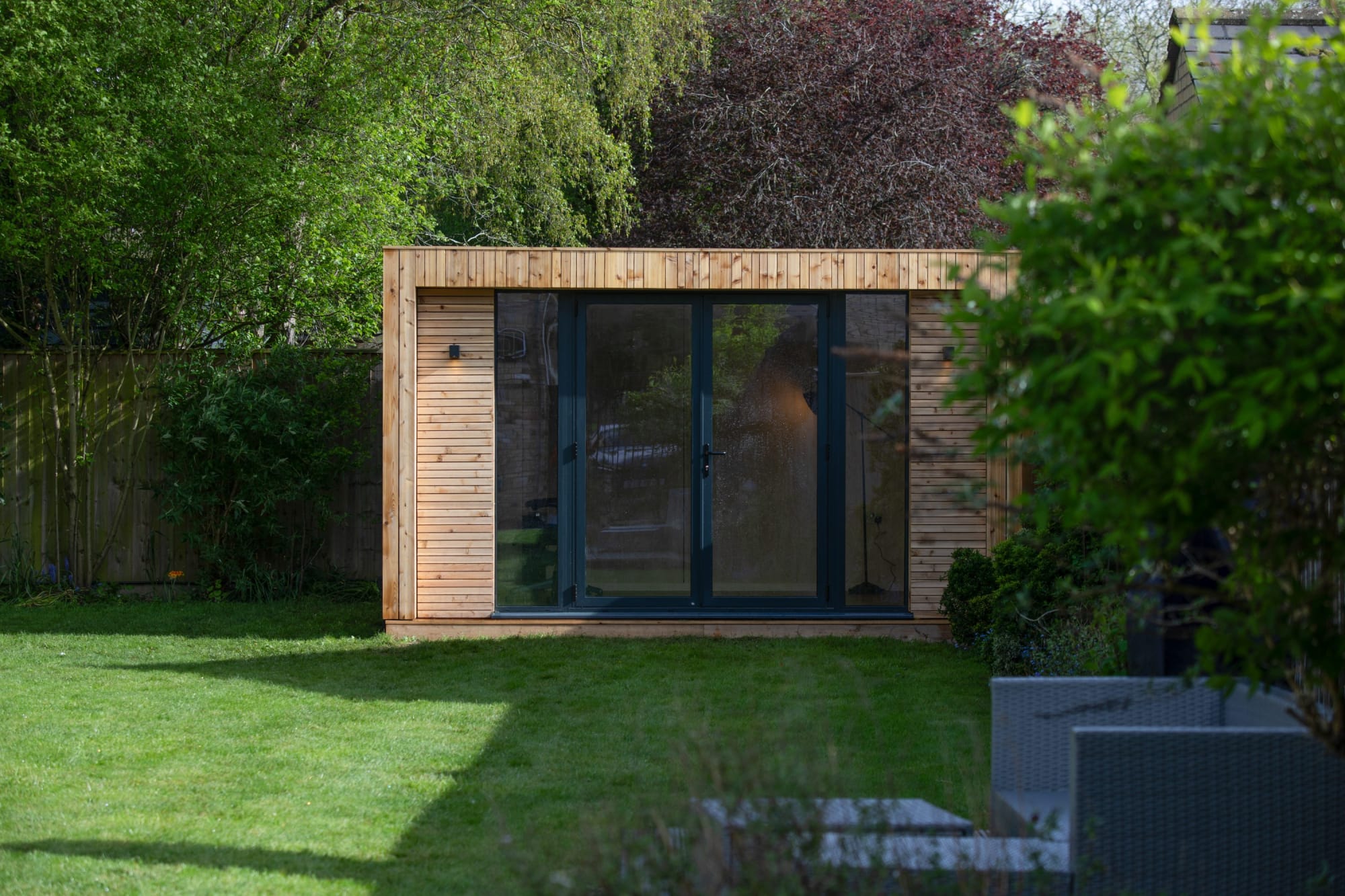
A small timber-clad garden office pod with large windows and an iMac visible inside, designed for a narrow London backyard corner to maximize outdoor space.

Garden Room Size and Placement Rules (UK Overview)

To stay within permitted development, your garden room must be positioned behind your home and not in front of it.

If it is close to a boundary, it must remain within strict height limits. The total area of all outbuildings must not exceed half of the land surrounding the original house.

The structure must remain single-storey and should be used only for purposes incidental to the main property.

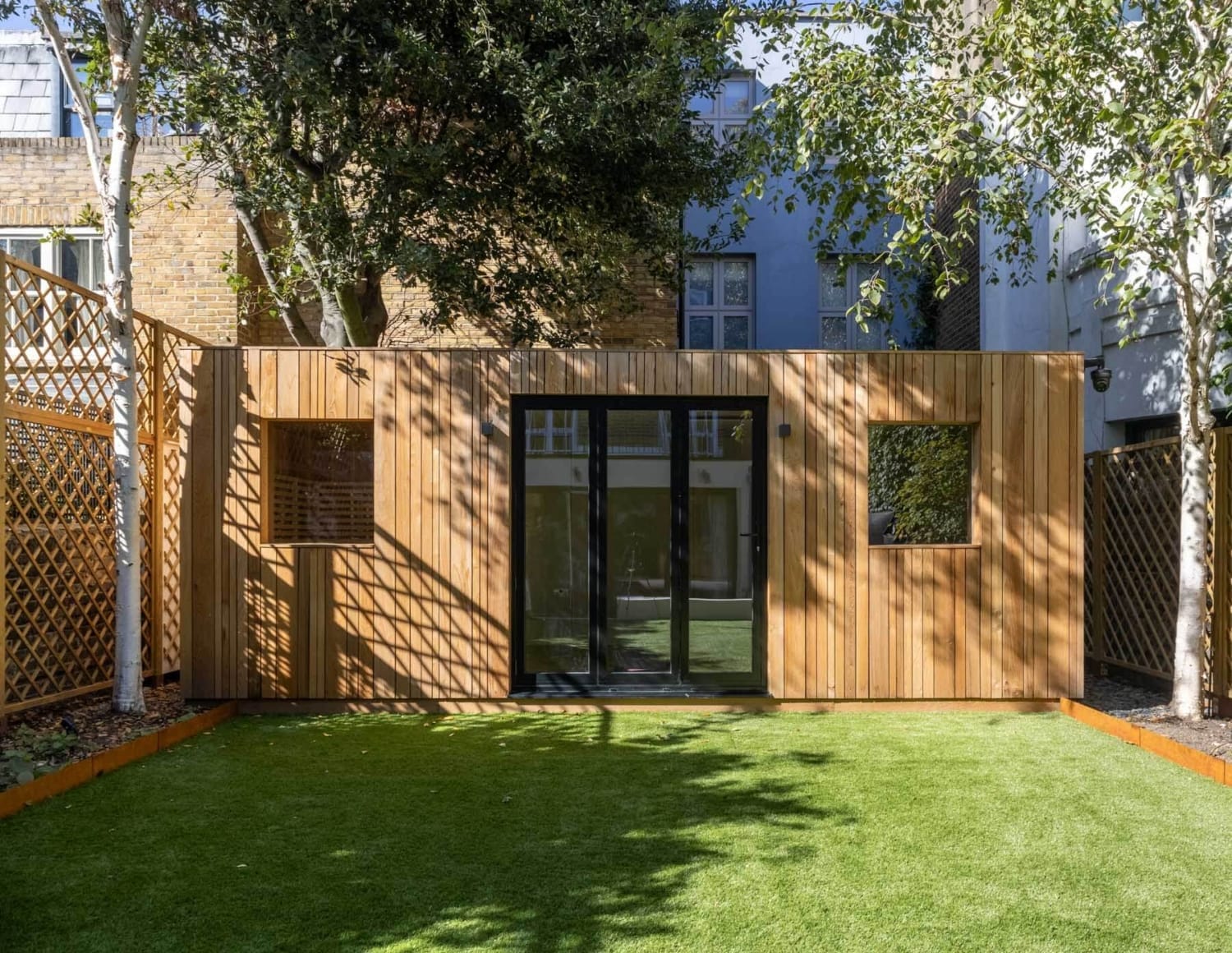
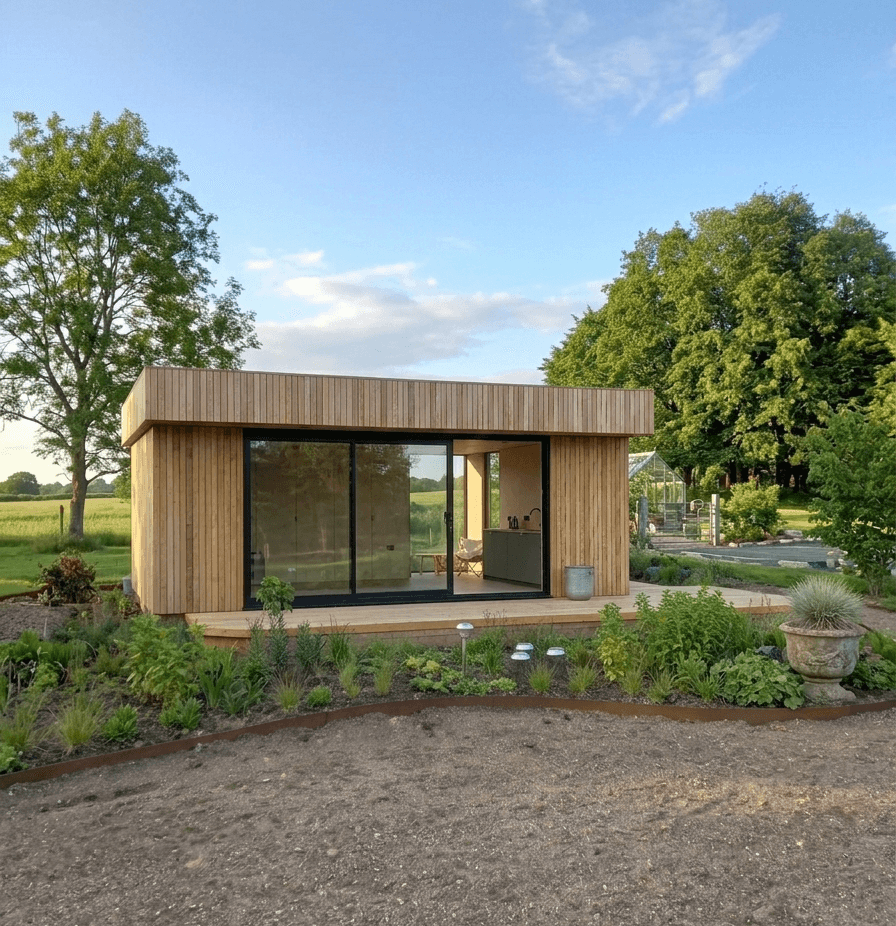
Modern outdoor garden sauna with vertical cedar wood cladding, black framed glass doors, and square windows on a green lawn.

What Is Permitted Development and Why It Matters

Permitted Development Rights allow homeowners to build certain types of structures without applying for full planning permission.

However, these rights are not universal. They can be limited or removed, particularly in conservation areas or for listed properties.

If you want certainty, you can apply for a Lawful Development Certificate. This is an official confirmation from the local authority that your project complies with planning rules. It is often recommended if you plan to sell your property or use the space for business purposes.

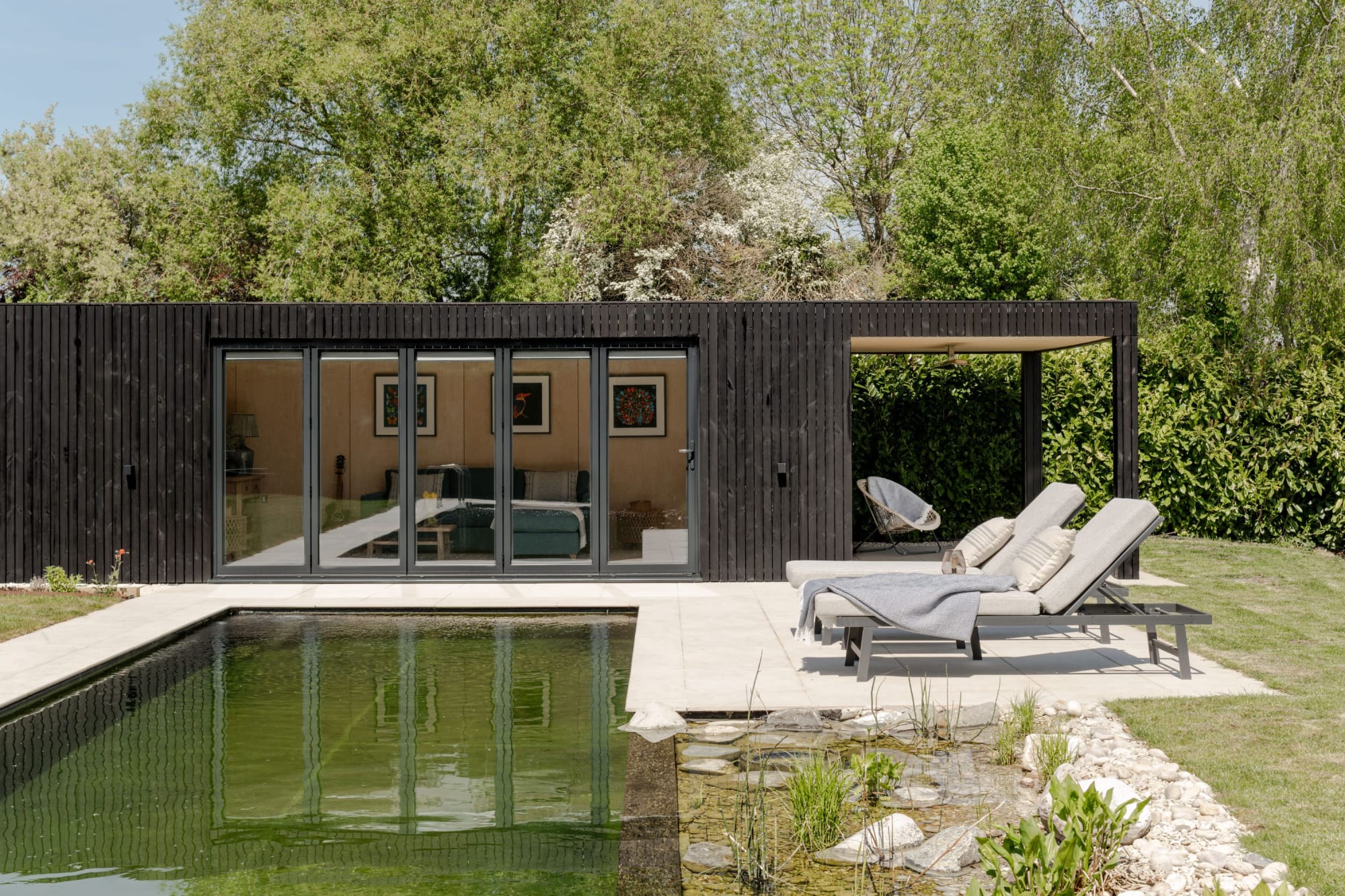
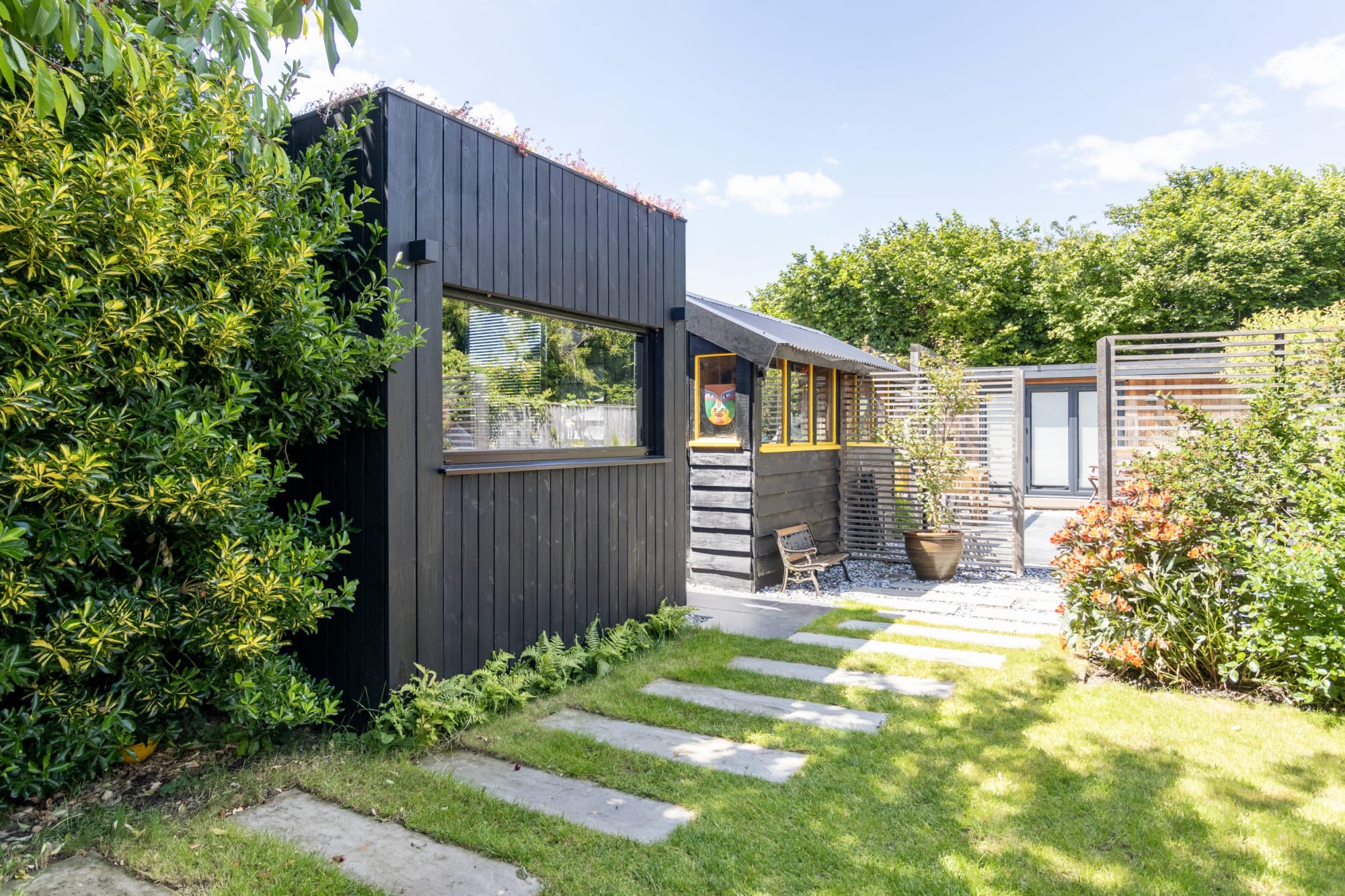
A luxury bespoke garden room with black charred timber cladding and bifold doors situated next to a natural swimming pond with stone paving and sun loungers in a landscaped London garden.

Planning Permission for Airbnb Pods and Garden Offices

Garden offices are usually allowed under permitted development, as long as they are used as part of the main home.

However, using a garden room as an Airbnb or rental unit is more complex.

If the structure is used for overnight stays, operates as a business, or functions as a separate dwelling, planning permission is likely to be required.

In Cambridge, local authorities tend to apply stricter controls on short-term rental accommodation, so it is important to check before proceeding.

How to Check with Your Local Authority

If you are unsure about your specific situation, you should contact your local planning authority.

In Cambridge, this will typically be Cambridge City Council or Greater Cambridge Planning.

You can request guidance on whether your project falls under permitted development, whether your property is affected by conservation rules, and whether you should apply for pre-application advice.
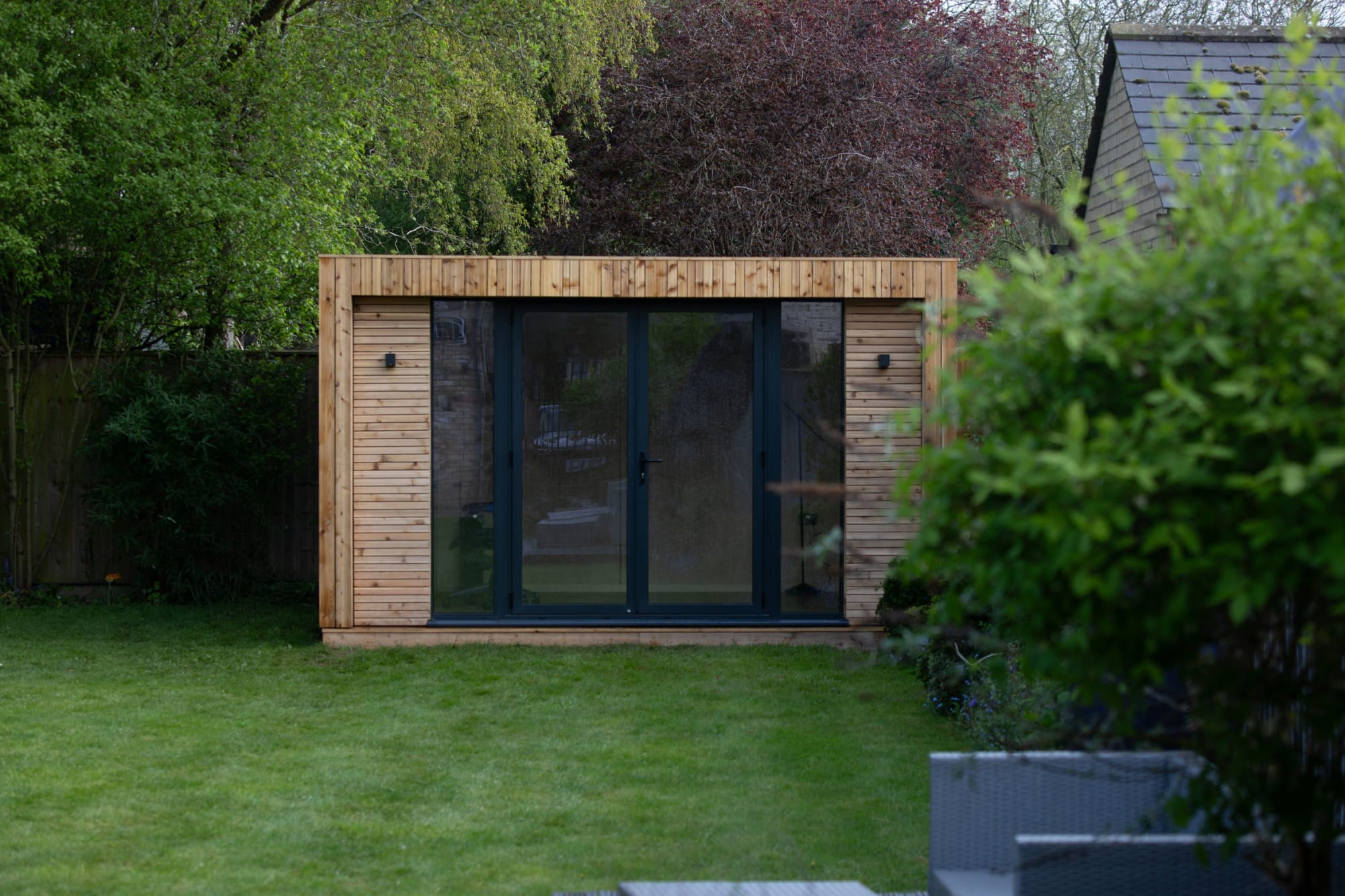
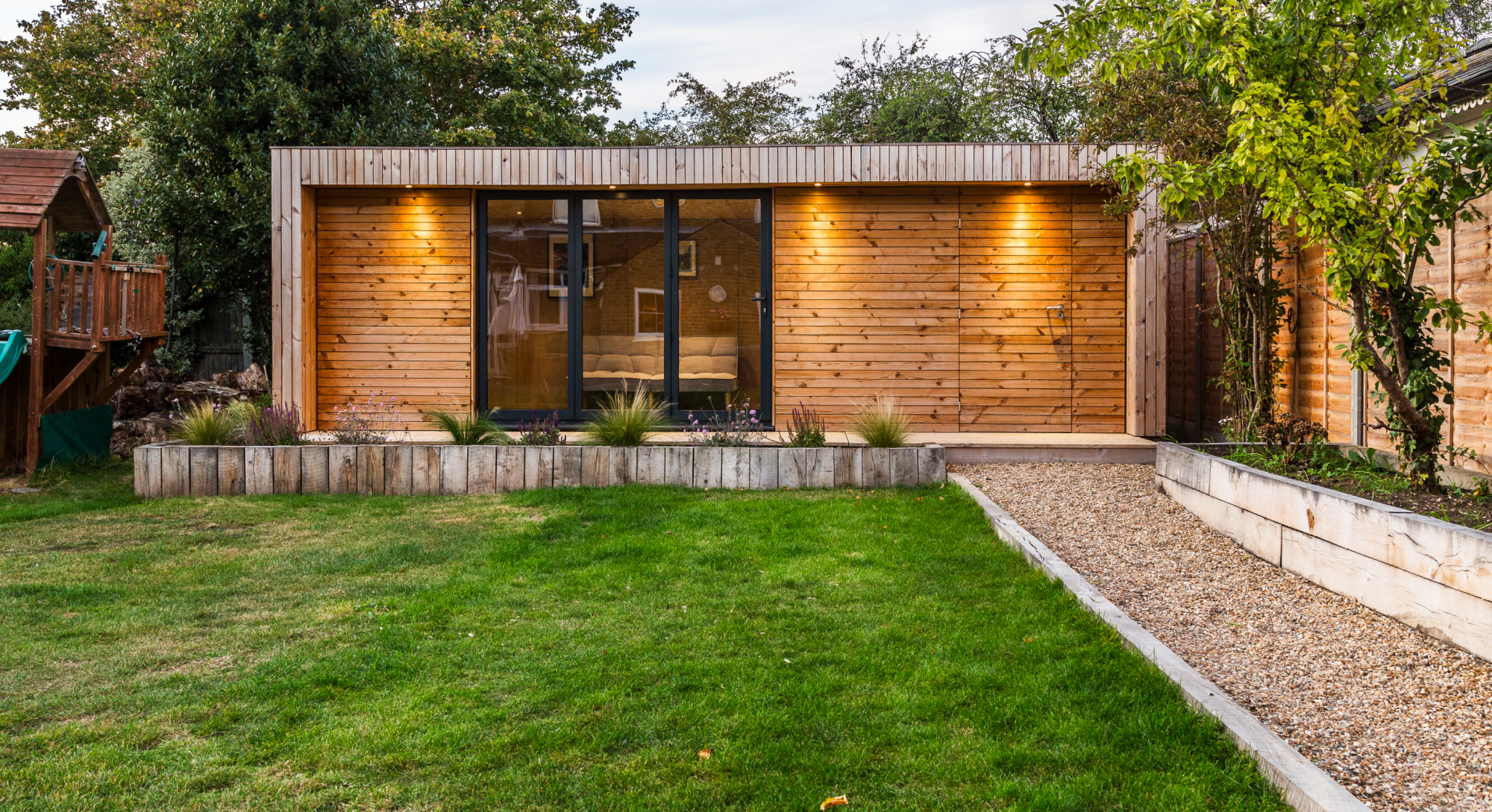
A modern timber-clad garden room with external downlights and bifold doors, featuring a shingle path and raised sleeper plant beds in a landscaped London garden.

How OKOPOD Helps You Navigate Planning

At OKOPOD, garden rooms are designed to align with permitted development rules wherever possible. This includes optimising height, footprint, and placement to reduce the need for planning permission.

Support is also available if planning approval is required. This includes guidance on design, layout, and how to approach local planning authorities.

You can start designing your garden room here:
https://okopod.com/design-your-pod/

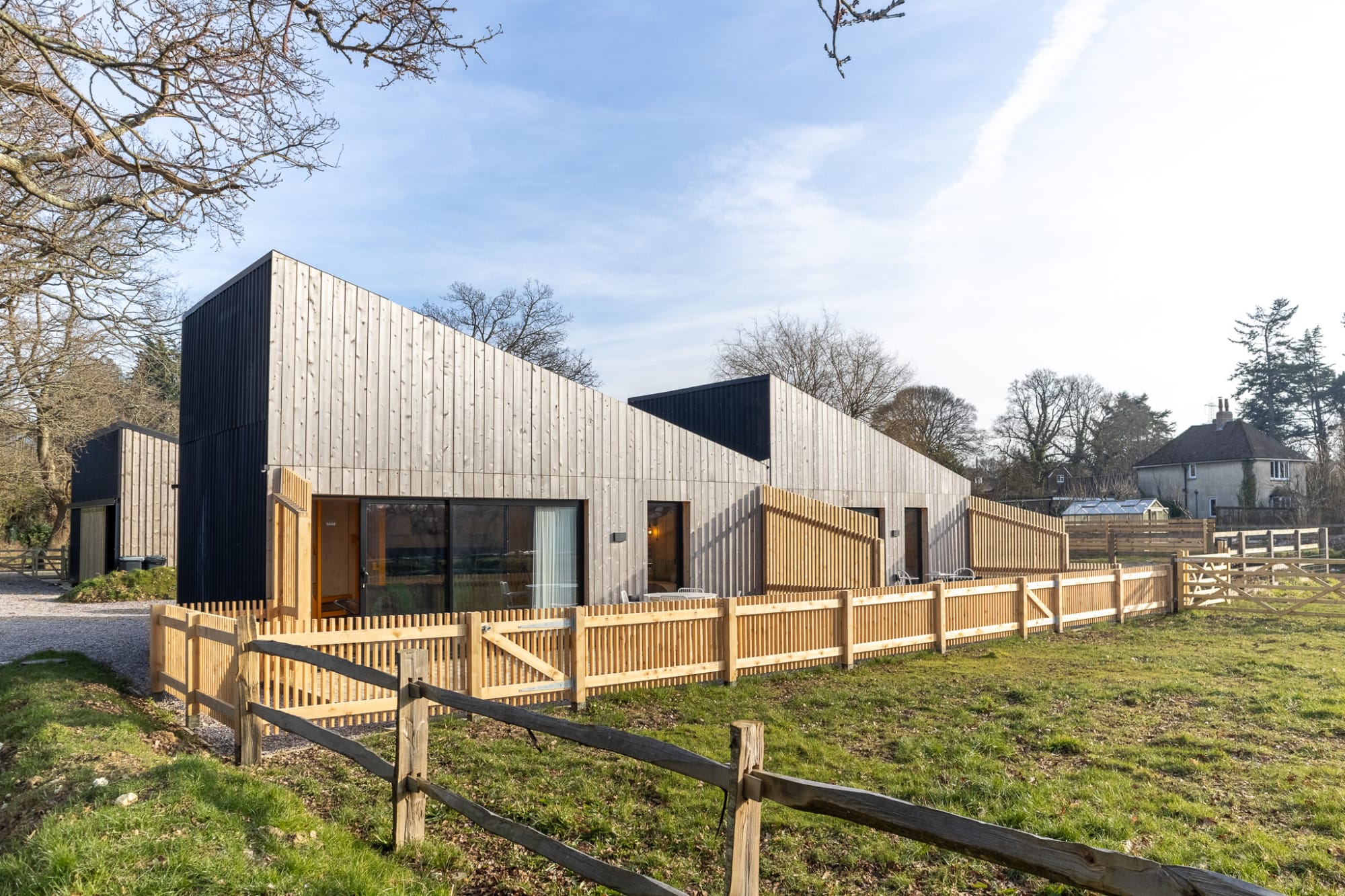
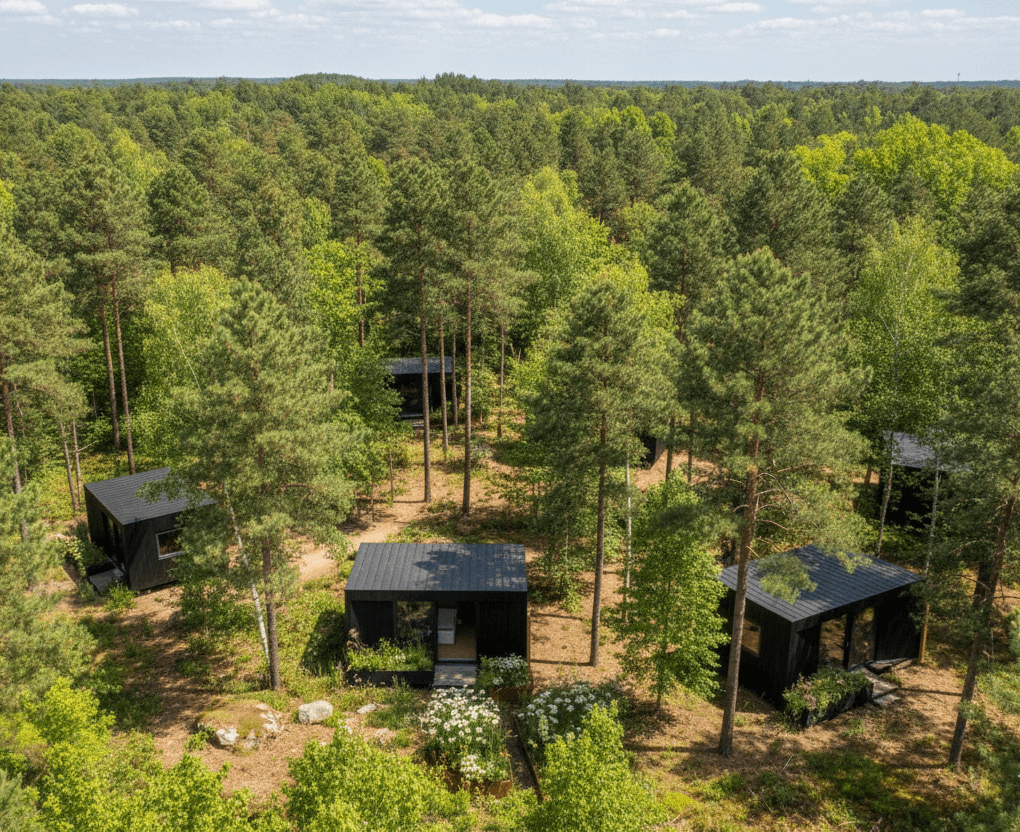
A row of modern modular holiday pods with mono-pitch roofs and light timber cladding, featuring timber fencing and glass doors in a rural setting near London.

FAQs

Do I need planning permission for a garden room in Cambridge?
In many cases, no, as long as the structure meets permitted development rules. However, conservation areas and listed buildings may require planning permission.

What size garden room can I build without planning permission?
You can build within certain limits, including height restrictions near boundaries and a maximum of 50 percent of total garden coverage.

Can I sleep in a garden room without planning permission?
Occasional use is generally acceptable, but using it as a permanent living space usually requires planning permission.

Do sheds need planning permission in the UK?
Most sheds do not require planning permission if they comply with permitted development rules.

Can I put an Airbnb pod in my garden in Cambridge?
You may need planning permission, particularly if the structure is used for commercial or overnight accommodation.

    It looks like you're using an outdated browser. Please upgrade your browser for the best experience.